
Title
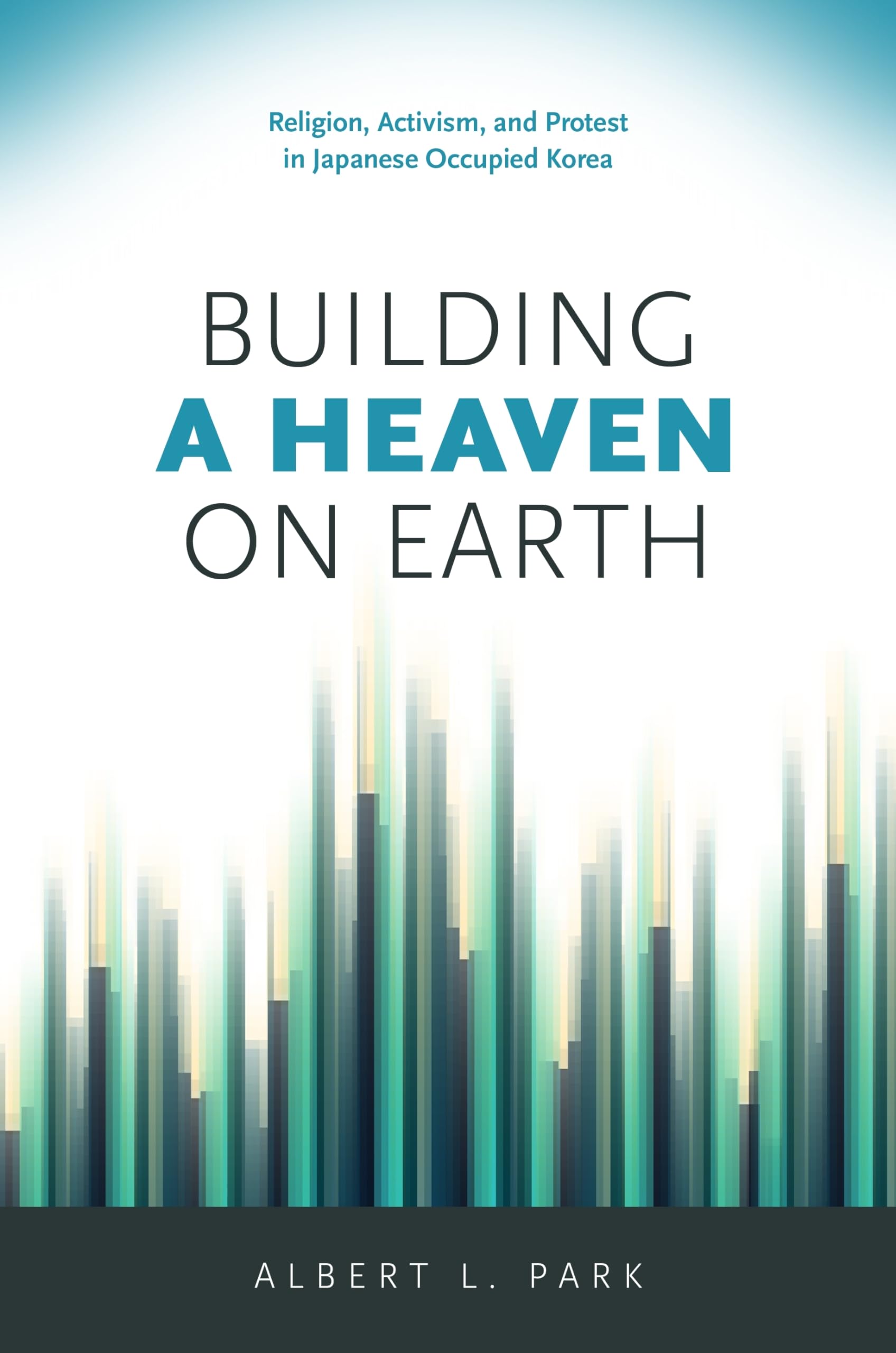
Building A Heaven On Earth: Religion, Activism, And Protest In Japanese Occupied Korea-new
Sold by Ergodebooks, an authorized reseller.
Returns accepted within 30 days | support@ergodebooks.com
Shipping Information
- Free Standard Shipping — United States only
- Processing Time: 3–5 business days
- Estimated Delivery: 6–10 business days after dispatch
- Double-boxed, fully insured & discreetly packaged
- Tracking number sent via email once dispatched
Returns & Refund
Returns accepted within 30 days of delivery.
Damaged or Defective Item
Free return shipping + replacement or full refund
Wrong Item Received
Free return shipping + replacement or full refund
Change of Mind
Return shipping at customer's expense · 25% restocking fee applies
Payment Option

Why And How Did Korean Religious Groups Respond To Growing Rural Poverty, Social Dislocation, And The Corrosion Of Culture Caused By Forces Of Modernization Under Strict Japanese Colonial Rule (19101945)? Questions About Religion'S Relationship And Response To Capitalism, Industrialization, Urbanization, And Secularization Lie At The Heart Of Understanding The Intersection Between Colonialism, Religion, And Modernity In Korea. Yet, Getting Answers To These Questions Has Been A Challenge Because Of Narrow Historical Investigations That Fail To Study Religious Processes In Relation To Political, Economic, Social, And Cultural Developments. In Building A Heaven On Earth, Albert L. Park Studies The Progressive Drives By Religious Groups To Contest Standard Conceptions Of Modernity And Forge A Heavenly Kingdom On The Korean Peninsula To Relieve People From Fierce Ruptures In Their Everyday Lives. The Results Of His Study Will Reconfigure The Debates On Colonial Modernity, The Origins Of Faithbased Social Activism In Korea, And The Role Of Religion In A Modern World.Building A Heaven On Earth, In Particular, Presents A Compelling Story About The Determination Of The Young Men'S Christian Association (Ymca), The Presbyterian Church, And The Ch'Ondogyo To Carry Out Largescale Rural Movements To Form A Paradise On Earth Anchored In Religion, Agriculture, And A Pastoral Life. It Is A Transnational Story Of Leaders From These Three Groups Leaning On Ideas And Systems From Countries, Such As Denmark, France, Japan, And The United States, To Help Them Reform Political, Economic, Social, And Cultural Structures In Colonial Korea. This Book Shows That These Religious Institutions Provided Discursive And Material Frameworks That Allowed For An Alternative Form Of Modernity That Featured New Forms Of Agency, Social Organization, And The Nation. In So Doing, Building A Heaven On Earth Repositions Our Understandings Of Modern Korean History.
⚠️ WARNING (California Proposition 65):
This product may contain chemicals known to the State of California to cause cancer, birth defects, or other reproductive harm.
For more information, please visit www.P65Warnings.ca.gov.
- Q: How many pages are in the book? A: There are three hundred twenty pages in the book. This comprehensive coverage allows for an in-depth exploration of the subject matter.
- Q: What is the binding type of this book? A: This book is bound in hardcover. Hardcover bindings are known for their durability and long-lasting quality.
- Q: What are the dimensions of the book? A: The book measures six point one inches in length, one point one inches in width, and nine point one inches in height. These dimensions make it a manageable size for reading.
- Q: Who is the author of this book? A: The author of the book is Albert L. Park. His expertise contributes significantly to the insights provided in the text.
- Q: What genre does this book fall under? A: The book belongs to the historical and religious studies genre. It explores the intersections of religion and colonialism in Korea.
- Q: Is this book suitable for academic study? A: Yes, this book is suitable for academic study. It provides a thorough analysis of religious responses to colonialism, making it a valuable resource for scholars.
- Q: How should I care for this book? A: To care for this book, keep it in a dry, cool place away from direct sunlight. This helps maintain its condition over time.
- Q: Can I use this book for research? A: Yes, this book is useful for research purposes. It offers insights into the historical context of Korea during Japanese colonial rule.
- Q: Is there a warranty or return policy for this book? A: Typically, books do not come with a warranty. However, check the seller's return policy for details on returns or exchanges.
- Q: What if the book arrives damaged? A: If the book arrives damaged, you should contact the seller immediately for assistance. Most sellers provide options for returns or replacements.
- Q: Is this book suitable for casual reading? A: Yes, it can be suitable for casual reading. However, the depth of content may appeal more to those interested in history and religion.
- Q: Are there any illustrations in the book? A: No, this book does not contain illustrations. The focus is primarily on text and scholarly analysis.
- Q: What are the main themes discussed in the book? A: The main themes include the relationship between religion and colonialism, social activism, and the search for modernity in Korea.
- Q: Does this book cover modern issues in Korea? A: Yes, the book provides context for understanding modern issues by exploring historical religious movements in Korea.
- Q: What makes this book unique? A: This book is unique due to its comprehensive analysis of the intersection of religion and colonialism in Korea, offering a fresh perspective.
- Q: Is there a bibliography included? A: Yes, the book includes a bibliography. This allows readers to explore further readings and references related to the topics discussed.