
Title
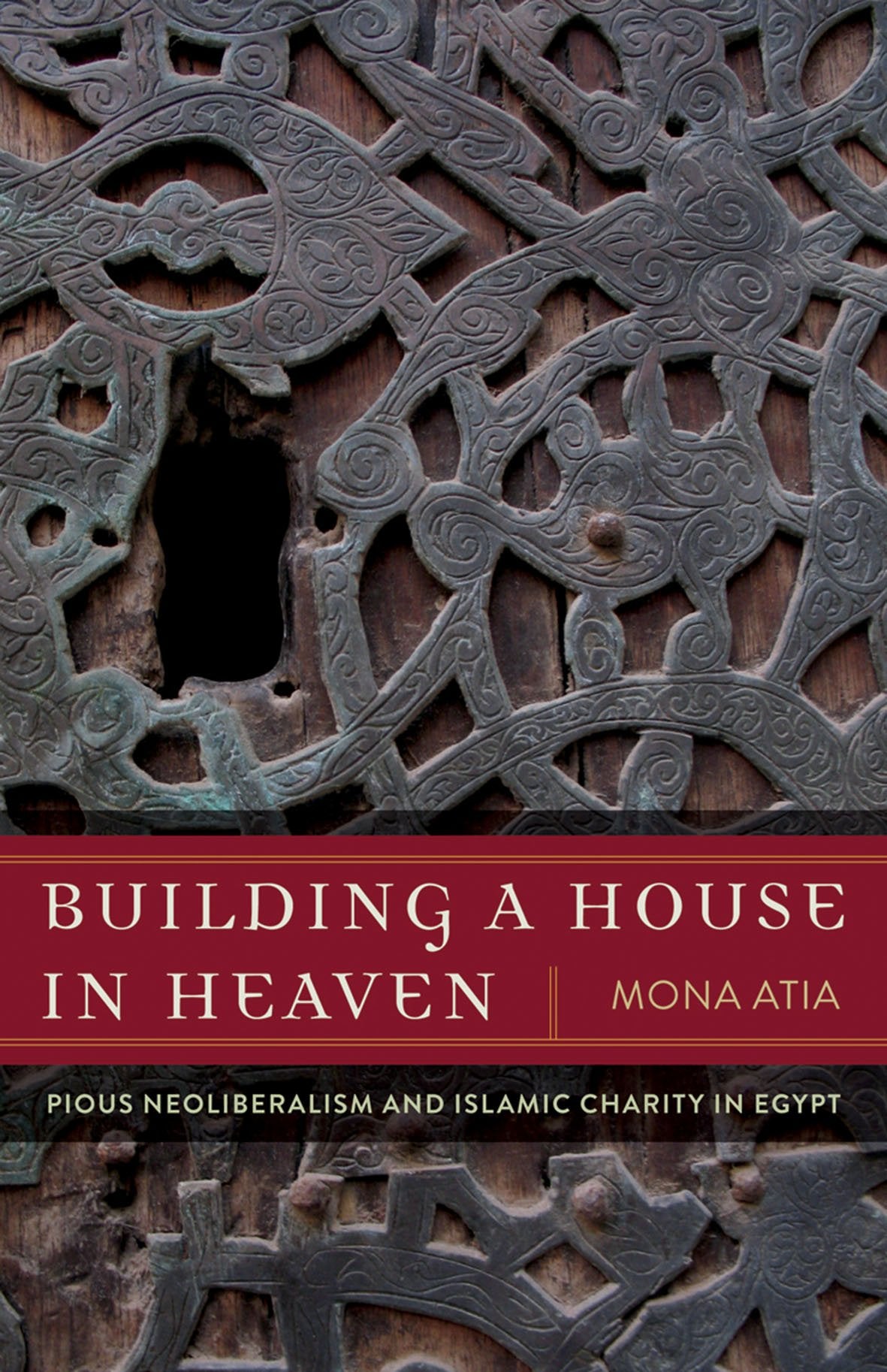
Building A House In Heaven: Pious Neoliberalism And Islamic Charity In Egypt (A Quadrant Book),Used
Sold by Ergodebooks, an authorized reseller.
Returns accepted within 30 days | support@ergodebooks.com
Shipping Information
- Free Standard Shipping — United States only
- Processing Time: 3–5 business days
- Estimated Delivery: 6–10 business days after dispatch
- Double-boxed, fully insured & discreetly packaged
- Tracking number sent via email once dispatched
Returns & Refund
Returns accepted within 30 days of delivery.
Damaged or Defective Item
Free return shipping + replacement or full refund
Wrong Item Received
Free return shipping + replacement or full refund
Change of Mind
Return shipping at customer's expense · 25% restocking fee applies
Payment Option

Charity is an economic act. This premise underlies a societal transformationthe merging of religious and capitalist impulses that Mona Atia calls pious neoliberalism. Though the phenomenon spans religious lines, Atia makes the connection between Islam and capitalism to examine the surprising relations between charity and the economy, the state, and religion in the transition from Mubarakera Egypt.Mapping the landscape of charity and development in Egypt, Building a House in Heaven reveals the factors that changed the nature of Egyptian charitable practicesthe states intervention in social care and religion, an Islamic revival, intensified economic pressures on the poor, and the subsequent emergence of the private sector as a critical actor in development. She shows how, when individuals from Egypts private sector felt it necessary to address poverty, they sought to make Islamic charities work as engines of development, a practice that changed the function of charity from distributing goods to empowering the poor. Drawing on interviews with key players, Atia explores the geography of Islamic charities through multiple neighborhoods, ideologies, sources of funding, projects, and wide social networks. Her work shifts between absorbing ethnographic stories of specific organizations and reflections on the patterns that appear across the sector.An enlightening look at the simultaneous neoliberalization of Islamic charity work and Islamization of neoliberal development, the book also offers an insightful analysis of the political and socioeconomic movements leading up to the uprisings that ended Mubaraks rule and that amplified the importance of not only the Muslim Brotherhood but also the broader forces of Islamic piety and charity.
⚠️ WARNING (California Proposition 65):
This product may contain chemicals known to the State of California to cause cancer, birth defects, or other reproductive harm.
For more information, please visit www.P65Warnings.ca.gov.