
Title
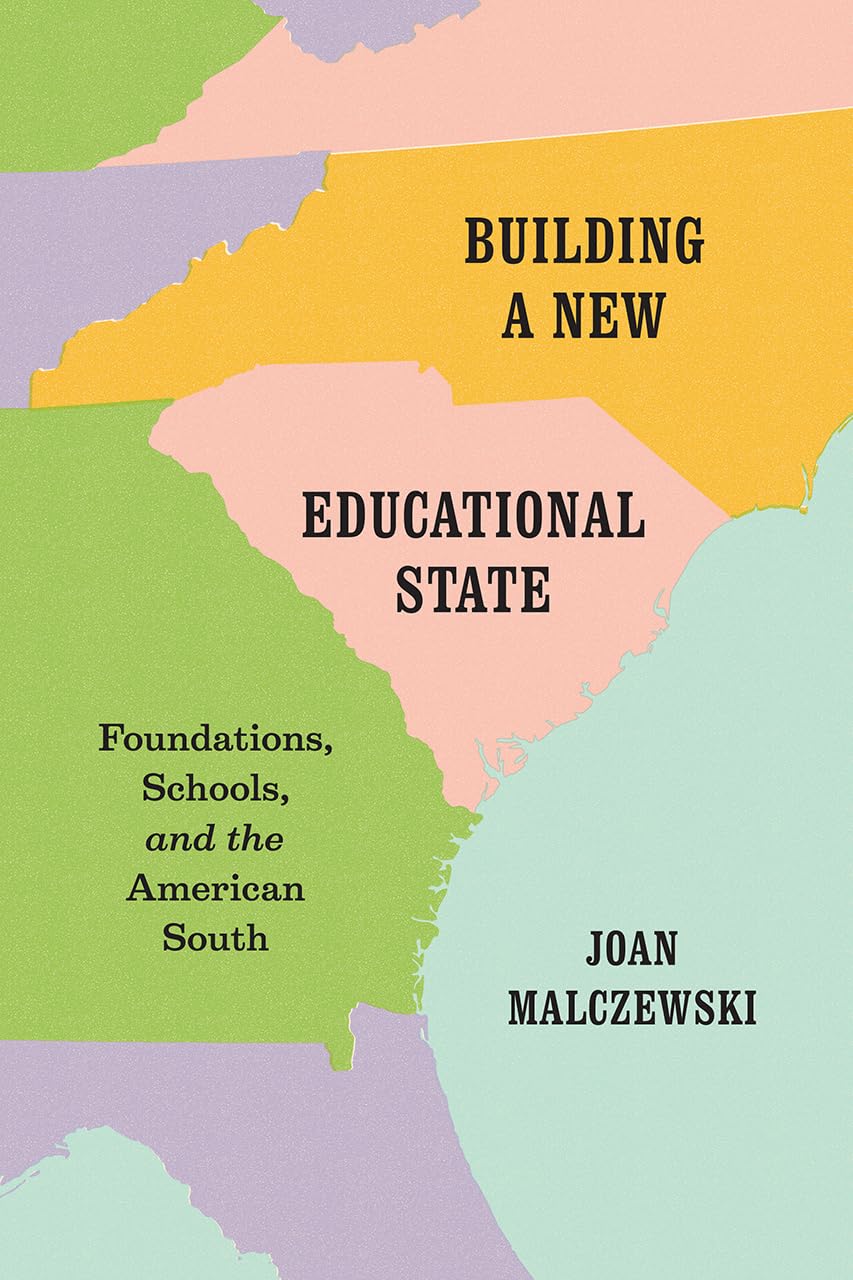
Building a New Educational State: Foundations, Schools, and the American South,Used
Sold by Ergodebooks, an authorized reseller.
Returns accepted within 30 days | support@ergodebooks.com
Shipping Information
- Free Standard Shipping — United States only
- Processing Time: 3–5 business days
- Estimated Delivery: 6–10 business days after dispatch
- Double-boxed, fully insured & discreetly packaged
- Tracking number sent via email once dispatched
Returns & Refund
Returns accepted within 30 days of delivery.
Damaged or Defective Item
Free return shipping + replacement or full refund
Wrong Item Received
Free return shipping + replacement or full refund
Change of Mind
Return shipping at customer's expense · 25% restocking fee applies
Payment Option

Building a New Educational State examines the dynamic process of black education reform during the Jim Crow era in North Carolina and Mississippi. Through extensive archival research, Joan Malczewski explores the initiatives of foundations and reformers at the top, the impact of their work at the state and local level, and the agency of southernersincluding those in rural black communitiesto demonstrate the importance of schooling to political development in the South. Along the way, Malczewski challenges us to reevaluate the relationships among political actors involved in education reform.Malczewski presents foundation leaders as selfconscious state builders and policy entrepreneurs who aimed to promote national ideals through a public system of educationefforts they believed were especially critical in the South. Black education was an important component of this national agenda. Through extensive efforts to create a more centralized and standard system of public education aimed at bringing isolated and rural black schools into the public system, schools became important places for expanding the capacity of state and local governance. Schooling provided opportunities to reorganize local communities and augment black agency in the process. When foundations realized they could not unilaterally impose their educational vision on the South, particularly in black communities, they began to collaborate with locals, thereby opening political opportunity in rural areas. Unfortunately, while foundations were effective at developing the institutional configurations necessary for education reform, they were less successful at implementing local programs consistently due to each states distinctive political and institutional context.
⚠️ WARNING (California Proposition 65):
This product may contain chemicals known to the State of California to cause cancer, birth defects, or other reproductive harm.
For more information, please visit www.P65Warnings.ca.gov.