
Title
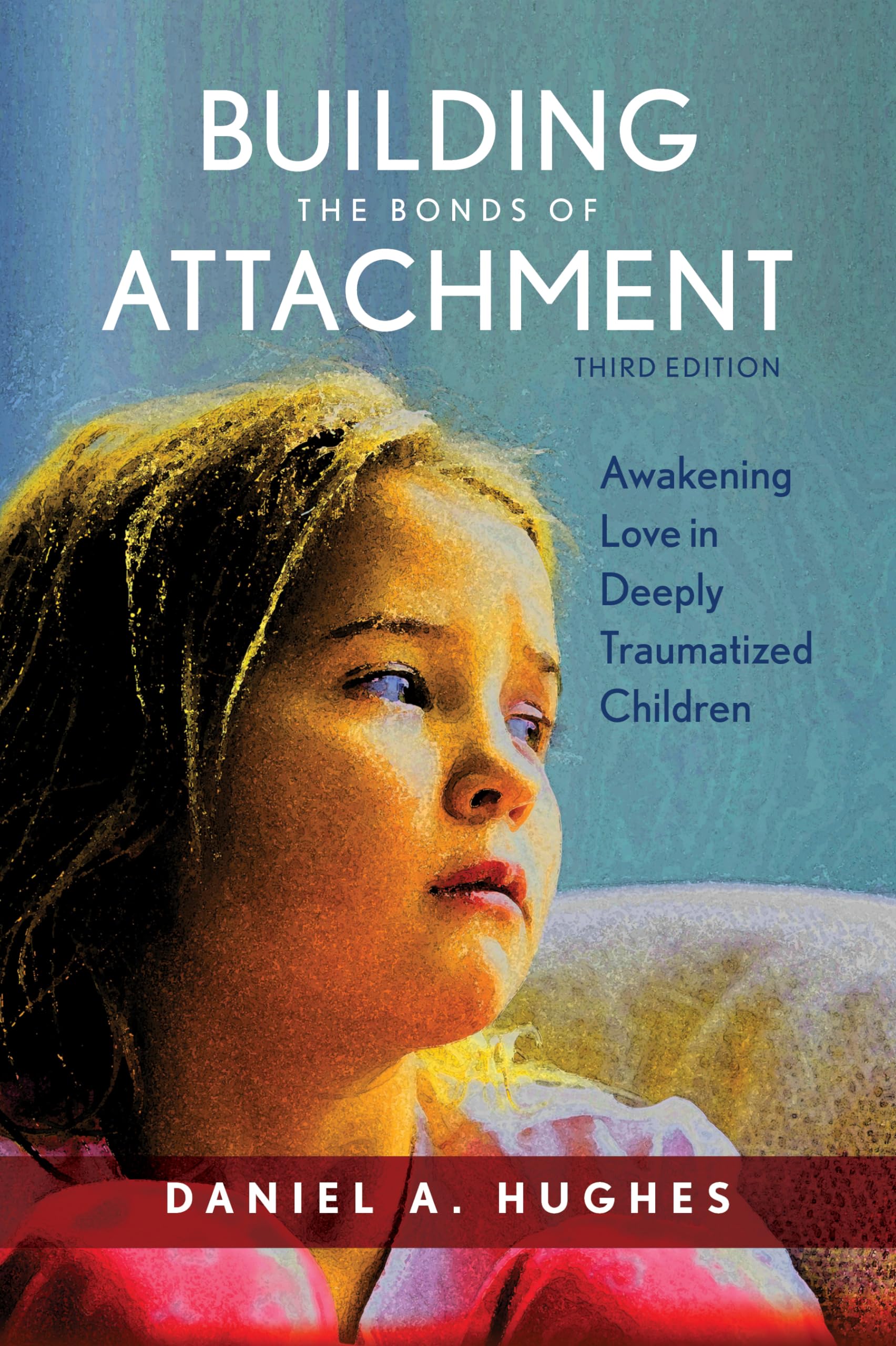
Building The Bonds Of Attachment: Awakening Love In Deeply Traumatized Children
Sold by Ergodebooks, an authorized reseller.
Returns accepted within 30 days | support@ergodebooks.com
Shipping Information
- Free Standard Shipping — United States only
- Processing Time: 3–5 business days
- Estimated Delivery: 6–10 business days after dispatch
- Double-boxed, fully insured & discreetly packaged
- Tracking number sent via email once dispatched
Returns & Refund
Returns accepted within 30 days of delivery.
Damaged or Defective Item
Free return shipping + replacement or full refund
Wrong Item Received
Free return shipping + replacement or full refund
Change of Mind
Return shipping at customer's expense · 25% restocking fee applies
Payment Option

A Highly Accessible Resource For Students And Professionals As Well As Parents, Building The Bonds Of Attachment Presents A Composite Case Study Of One Childs Developmental Course Following Years Of Abuse And Neglect. Weaving Theory And Research Into A Powerful Narrative, Hughes Offers Effective Methods For Facilitating Attachment In Children Who Have Experienced Serious Trauma. The Text Emphasizes Both The Specialized Psychotherapy And Parenting Strategies Often Necessary In Facilitating A Child'S Psychological Development And Attachment Security. Hughes Steps Through An Integrated Intervention Model That Blends Attachment And Trauma Theories With The Most Current Research As Well As General Principles Of Both Parenting And Child And Family Therapy. Thoughtful And Practical, The Third Edition Provides An Invaluable Guide For Therapists And Social Workers, Students In Training, And Parents.Updates To The Third Edition Include:Coverage Of The Greater Preparation Given To Both The Therapist And Parent Before The Onset Of The Treatment And Placement Based On Our Understanding Of How The Attachment Histories Of Both The Parents And Therapists Impact Their Engagement With The Child Introduction Of The Concept Of Blocked Care To Better Understand The Challenges Of Raising A Traumatized Child With Attachment Difficulties Introduction Of The Classification Of Developmental Trauma That Is Now Commonly Used To Describe The Challenges Faced By Children Such As Katie Expanded Coverage Of Intersubjectivity With Demonstrations Throughout The Book As To Its Impact On The Development Of The Child Stronger Development Of The Therapeutic And Parenting Stance Of Pace (Playful, Accepting, Curious, Empathic) Since This Has Become A Strong Organizing Principle For Training Both Therapists And Parents Using The Dyadic Developmental Psychotherapy (Ddp) Model Updated Examples Of The Components Of Ddp (Affectivereflective Dialogue, Followleadfollow, Interactive Repair, Deepening The Narrative) And A Discussion Of The Ties Between Ddp And New Research In Interpersonal Neurobiology
⚠️ WARNING (California Proposition 65):
This product may contain chemicals known to the State of California to cause cancer, birth defects, or other reproductive harm.
For more information, please visit www.P65Warnings.ca.gov.
- Q: What is the page count of this book? A: This book has three hundred four pages. It provides extensive insights into attachment theory and trauma in children.
- Q: What is the binding type of this book? A: The binding type is paperback. This makes it lightweight and easy to carry around for readers.
- Q: What are the dimensions of the book? A: The dimensions are six inches in length, zero point seven one inches in width, and nine point zero two inches in height.
- Q: Who is the author of this book? A: The author is Daniel A. Hughes. He is known for his expertise in child psychology and trauma.
- Q: What category does this book fall under? A: This book falls under the Child Psychology category. It focuses on the psychological development of traumatized children.
- Q: How can this book help parents? A: This book offers practical strategies for parents. It emphasizes methods for fostering attachment in traumatized children.
- Q: Is this book suitable for professionals? A: Yes, this book is suitable for professionals. Therapists and social workers will find valuable insights and techniques.
- Q: What age group is this book suitable for? A: This book is suitable for adults, including parents and professionals working with children. It is not intended for children.
- Q: How should I approach reading this book? A: Read this book sequentially for best understanding. It combines theory with case studies, enhancing comprehension of the material.
- Q: What are the main themes of this book? A: The main themes include attachment theory, trauma, and psychotherapy. It highlights the importance of relationship-building for children's development.
- Q: How do I keep this book in good condition? A: Store the book in a dry place away from direct sunlight. Avoid bending the pages to maintain its structural integrity.
- Q: Is this book safe for all readers? A: Yes, this book is safe for adult readers. It deals with sensitive topics but is intended for professionals and parents.
- Q: Can I return this book if I'm not satisfied? A: Yes, you can return the book if you're not satisfied. Check the retailer's return policy for specific guidelines.
- Q: What if the book arrives damaged? A: If the book arrives damaged, contact the seller immediately. Most retailers will offer a replacement or refund.
- Q: Does this book include case studies? A: Yes, the book includes case studies. These narratives help illustrate the challenges faced by traumatized children.
- Q: Are there updates in the third edition of this book? A: Yes, the third edition includes significant updates. It features new research and enhanced therapeutic strategies for attachment.