
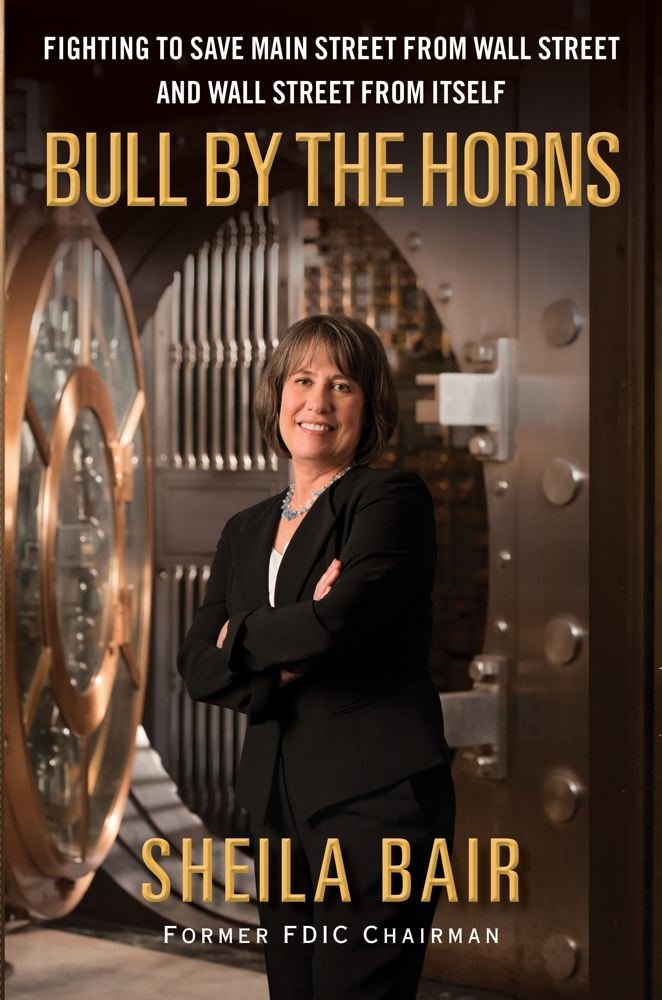
Title
Bull By The Horns: Fighting To Save Main Street From Wall Street And Wall Street From Itself
Sold by Ergodebooks, an authorized reseller.
Returns accepted within 30 days | support@ergodebooks.com
Shipping Information
- Free Standard Shipping — United States only
- Processing Time: 3–5 business days
- Estimated Delivery: 6–10 business days after dispatch
- Double-boxed, fully insured & discreetly packaged
- Tracking number sent via email once dispatched
Returns & Refund
Returns accepted within 30 days of delivery.
Damaged or Defective Item
Free return shipping + replacement or full refund
Wrong Item Received
Free return shipping + replacement or full refund
Change of Mind
Return shipping at customer's expense · 25% restocking fee applies
Payment Option

The Former Fdic Chairwoman, And One Of The First People To Acknowledge The Full Risk Of Subprime Loans, Offers A Unique Perspective On The Greatest Crisis The Us Has Faced Since The Great Depression.When Sheila Bair Took Over As Head Of The U.S. Federal Deposit Insurance Corp. In 2006, The Agency Was Probably Better Known For The Fdic Logo On The Doors Of The Nations Banks Than For Anything It Did. Now Bair Is At The Center Of The Financial Crisis, Speeding The Takeover Of Failing Banks And Pressing The Mortgage Industry To Ease Loan Terms . . . Winning Praise From Democrats And Republicans. Bloomberg News, October 3, 2008Sheila Bair Is Widely Acknowledged In Government Circles And The Media As One Of The First People To Identify And Accurately Assess The Subprime Crisis. Appointed By George W. Bush As The Chairman Of The Federal Deposit Insurance Corporation (Fdic) In 2006, She Witnessed The Origins Of The Financial Crisis And In 2008 Becamealong With Hank Paulson, Ben Bernanke, And Timothy Geithnerone Of The Key Players Trying To Repair The Damage To Our Economy. Bull By The Horns Is Her Remarkable And Refreshingly Honest Account Of That Contentious Time And The Struggle For Reform That Followed And Continues To This Day.A Levelheaded, Pragmatic Figure With A Clear Focus On Serving The Public Good, Bair Was Often One Of The Few Women In The Room During Heated Discussions About The Economy. Despite Her Years Of Experience And Her Determination To Rein In The Private Banks And Wall Street, She Frequently Found Herself At Odds With Geithner. She Is Withering In Her Assessment Of Some Of Wall Streets Finest, And Her Narrative Of Citibanks Attempted Takeover Of Wachovia Is A Stinging Indictment Of How Regulators And The Banks Worked Against The Public Interest At Times To Serve Their Own Needs.Bair Is Steadfast In Her Belief That The American Public Needs To Fully Understand The Crisis In Order To Bring It To An End. Critical Of The Bank Bailouts And The Can. $29.99 Lax Regulation That Led To The Economic Crash, She Provides A Sober Analysis As Well As A Practical Plan For How We Should Move Forward. She Helps Clear Away The Myths And Halftruths About How We Ran Our Economic Engine Into The Ditch And Tells Us How We Can Help Get Our Financial And Regulatory Systems Back On Track.As The New Yorker Said, Bair Has Consistently Stood Out For Her Skepticism Of Wall Street And For Her Eagerness To Confront The Big Banks. A Kansas Republican, She Has Become An Unlikely Hero To Economic Liberals, Who See Her As The Counterweight To The More Wall Streetcentric View Often Ascribed To Timothy Geithner, The Treasury Secretary (July 6, 2009).
⚠️ WARNING (California Proposition 65):
This product may contain chemicals known to the State of California to cause cancer, birth defects, or other reproductive harm.
For more information, please visit www.P65Warnings.ca.gov.
- Q: What is the page count of the book? A: This book contains four hundred thirty-two pages. It provides an in-depth exploration of the financial crisis from the perspective of Sheila Bair.
- Q: What is the binding type of this book? A: The book is available in hardcover binding. This durable format is ideal for long-term use and shelf display.
- Q: What are the dimensions of the book? A: The book measures six inches in length, one point three inches in width, and nine point zero two inches in height. These dimensions make it easy to handle and store.
- Q: Who is the author of this book? A: The author is Sheila Bair. She served as the chairwoman of the Federal Deposit Insurance Corporation and offers her unique insights on the financial crisis.
- Q: What genre does this book fall under? A: This book is categorized under Banks and Banking. It discusses financial systems and the challenges faced during the subprime mortgage crisis.
- Q: How do I read this book effectively? A: To read this book effectively, set aside time for focused reading, as it delves into complex financial topics and historical events. Take notes on key points for better retention.
- Q: Is this book suitable for beginners in finance? A: Yes, this book is suitable for beginners. Sheila Bair explains financial concepts clearly, making it accessible for readers without a finance background.
- Q: What is the reading level of this book? A: The reading level is aimed at adult audiences. It contains discussions on economic policies and financial regulations, which may require some prior knowledge.
- Q: How should I store this book? A: Store this book upright on a shelf to prevent warping. Keep it away from direct sunlight and moisture to maintain its condition over time.
- Q: Can I lend this book to others? A: Yes, you can lend this book to others. Just ensure to keep track of who has borrowed it to avoid losing it.
- Q: How do I clean the book's cover? A: To clean the book's cover, use a soft, dry cloth to gently wipe away dust. Avoid using liquids that could damage the binding.
- Q: What if the book arrives damaged? A: If the book arrives damaged, contact customer support for assistance. They can guide you through the return or exchange process.
- Q: Is there a warranty for this book? A: No, there is no warranty for this book. However, most retailers offer return policies for damaged or defective items.
- Q: What topics does this book cover? A: This book covers the subprime mortgage crisis, banking regulations, and the role of financial institutions in economic recovery. It provides a thorough analysis of these critical issues.
- Q: How does this book compare to other financial books? A: This book offers a unique insider's perspective as it is written by a former FDIC chairwoman. It stands out for its personal experiences and practical insights compared to other financial literature.
- Q: What key insights can I gain from this book? A: You will gain insights into the mechanics of the financial crisis, the impact of regulatory decisions, and practical solutions for future economic stability.