
Title
Cahiers du Cinma: The 1960s (19601968): New Wave, New Cinema, Reevaluating Hollywood,New
Sold by Ergodebooks, an authorized reseller.
Returns accepted within 30 days | support@ergodebooks.com
Shipping Information
- Free Standard Shipping — United States only
- Processing Time: 3–5 business days
- Estimated Delivery: 6–10 business days after dispatch
- Double-boxed, fully insured & discreetly packaged
- Tracking number sent via email once dispatched
Returns & Refund
Returns accepted within 30 days of delivery.
Damaged or Defective Item
Free return shipping + replacement or full refund
Wrong Item Received
Free return shipping + replacement or full refund
Change of Mind
Return shipping at customer's expense · 25% restocking fee applies
Payment Option

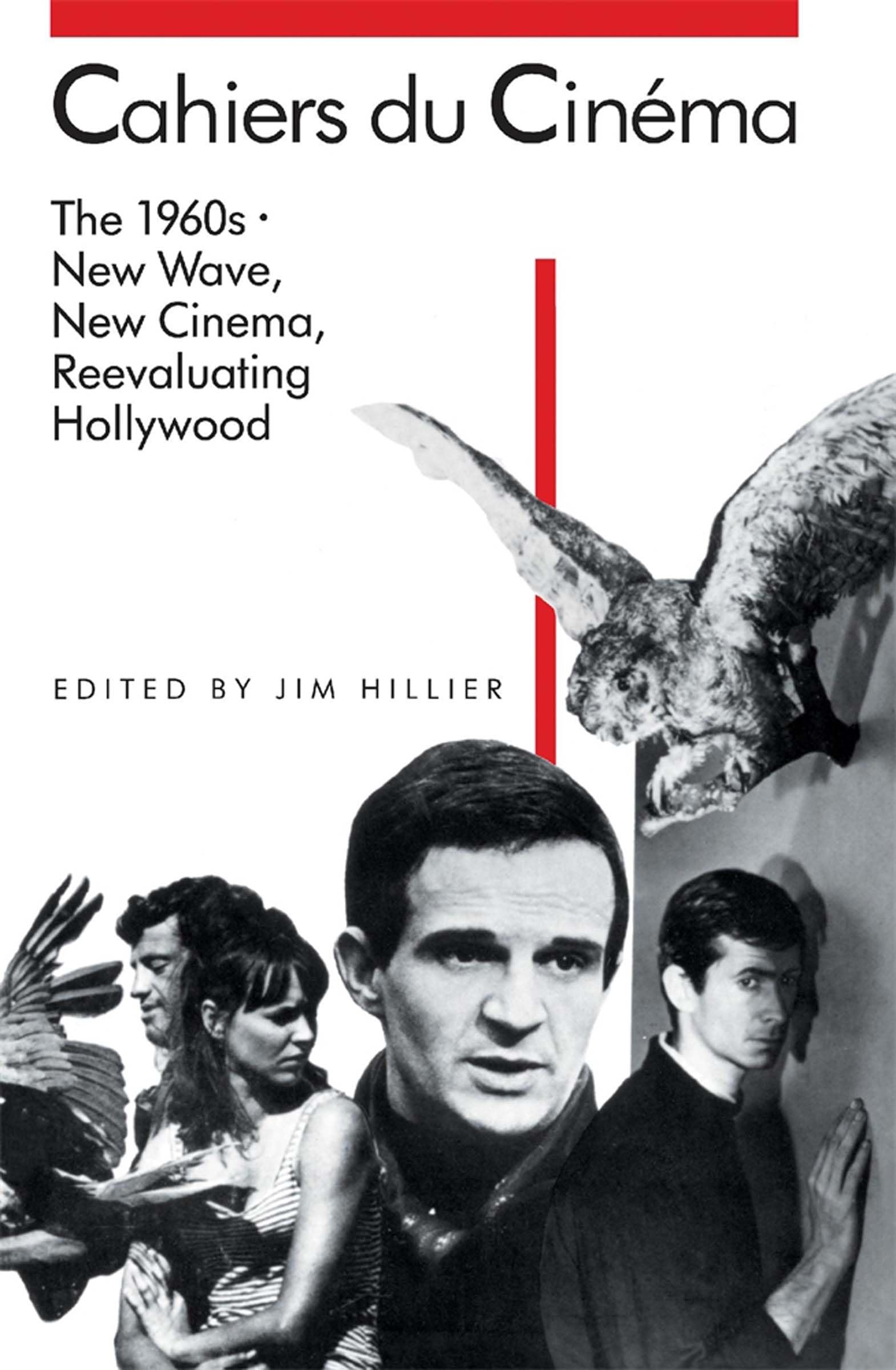
In the turbulent sixties, the provocative French film journal Cahiers du Cinma was at its most influential and controversial. The first successes of the New Wave by major Cahiers contributors such as JeanLuc Godard, Franois Truffaut, Jacques Rivette, Eric Rohmer, and Claude Chabrol focused international attention on the revitalization of French cinema and its relation to film criticism; and in the early 1960s the journals laudatory critiques of popular American movies were attaining the greatest notoriety.As the lively articles, interviews, and polemical discussions in this volume reveal, the 1960s saw the beginnings of significant new directions in filmmaking and film criticism changes in which the New Wave itself was a major factor. The auteur theory that the journal had championed in the 1950s began to be rethought and revalued. At the same time, along with a reassessment of American film, Cahiers began to embrace new, often oppositional forms of cinema and criticism, culminating in the political and aesthetic radicalism of the ensuing decade.The selections, translated under the supervision of the British Film Institute, are annotated by Jim Hillier, and context is provided in his general introduction and part introductions. For an understanding of the important changes that took place in cinema and film criticism in the 1960s and beyond, this book is essential reading.
⚠️ WARNING (California Proposition 65):
This product may contain chemicals known to the State of California to cause cancer, birth defects, or other reproductive harm.
For more information, please visit www.P65Warnings.ca.gov.
- Q: How many pages does this book have? A: This book has three hundred seventy-nine pages. It provides a comprehensive exploration of the influential French film journal from the 1960s.
- Q: What is the binding type of this book? A: This book is a paperback edition. Paperback bindings are flexible and lightweight, making them easy to handle and read.
- Q: What are the dimensions of this book? A: The dimensions of this book are six point fourteen inches in length, nine point twenty-one inches in height, and zero point ninety-four inches in width. These measurements make it a portable read.
- Q: Who is the author of this book? A: The author of this book is Jim Hillier. He is known for his expertise in film studies and contributions to film literature.
- Q: Is this book suitable for beginners in film studies? A: Yes, this book is suitable for beginners. It provides essential insights into film criticism and the New Wave movement, making it accessible for newcomers.
- Q: What themes are explored in this book? A: This book explores themes of film criticism, the New Wave movement, and the evolution of cinema in the 1960s. It highlights influential filmmakers and their impact on the industry.
- Q: How should I care for this paperback book? A: To care for this paperback book, keep it in a dry place away from direct sunlight. Handle it gently to avoid creasing the cover or pages.
- Q: Is this book safe for children to read? A: Yes, this book is generally safe for older children interested in film. However, parental guidance is recommended due to mature themes discussed.
- Q: Can this book be a good gift for film enthusiasts? A: Yes, this book makes an excellent gift for film enthusiasts. Its detailed analysis of the 1960s film landscape is both informative and engaging.
- Q: What if I receive a damaged copy of this book? A: If you receive a damaged copy of this book, you should contact the seller for a return or exchange. Most sellers have policies in place for such issues.
- Q: Does this book contain illustrations or photographs? A: No, this book does not contain illustrations or photographs. It focuses on text and critical essays regarding film and cinema.
- Q: Is this book available in digital format? A: Yes, this book is available in digital format. You can find it on various eBook platforms for easier access.
- Q: What is the main focus of this book? A: The main focus of this book is the influence of the Cahiers du Cinéma journal on film criticism and the New Wave movement in the 1960s.
- Q: Are there references to American cinema in this book? A: Yes, there are references to American cinema throughout this book. It discusses how the Cahiers journal reassessed popular American films during the 1960s.
- Q: Is this book part of a series? A: No, this book is not part of a series. It stands alone as a significant work on film criticism and history.