
Title
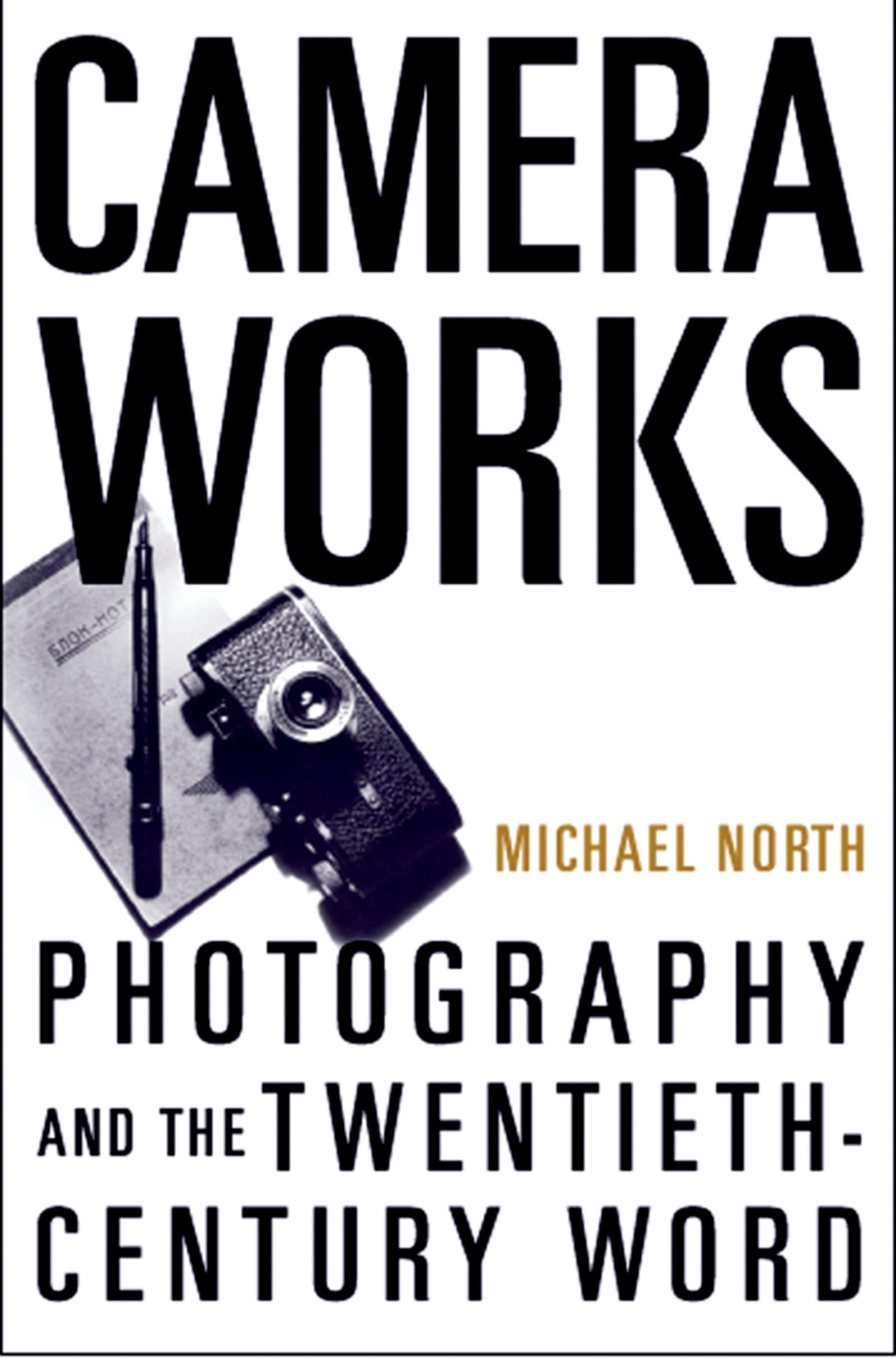
Camera Works: Photography and the TwentiethCentury Word,Used
Delivery time: 8-12 business days (International)
Camera Works is about the impact of photography and film on modern art and literature. For many artists and writers, these new media offered hope of new means of representation, neither linguistic nor pictorial, but hovering in a kind of utopian space between. At the same time, the new media introduced a dramatic element of novelty into the ageold evidence of the senses. For the avantgarde, the challenges of the new media were the modern in its most concentrated form, but even for aesthetically unadventurous writers they constituted an element of modern experience that could hardly be ignored.Camera Works thus traces some of the more utopian projects of transatlantic avantgarde, including the Readie machine of Bob Brown, which was to turn stories and poems into strips of linguistic film. The influence of photography and film on the avantgarde is traced from the early days of Camera Work, through the enthusiasm of Eugene Jolas and the contributors to his magazine transition, to the crisis created by the introduction of sound in the late 1920's.Subseguent chapters describe the entirely new kind of sensory enjoyment brought into modern American fiction by the new media. What Fitzgerald calls 'spectroscopic gayety,' the enjoyable diorientation of the senses by machine perception, turns out to be a powerful force in much American fiction. The revolutionary possibilities of this new spectatorship and its limitations are pursued through a number of examples, including Dos Passos, James Weldon Johnson, and Hemingway. Together, these chapters offer a new and substantially different account of the relationship between modern American literature and the mediatized society of the early twentieth century.With a comprehensive introduction and detailed particular readings, Camera Works substantiates a new understanding of the formal and historical bases of modernism. It argues that when modern literature and art respond to modernity, on a formal level, they are responding to the intervention of technology in the transmission of meaning, an intervention that unsettles all the terms in the essential relationship of human consciousness to the world of phenomena.
By changing our most important processes and
products, we have already made a big leap forward. This ranges from the
increased use of more sustainable fibers to the use of more
environmentally friendly printing processes to the development of
efficient waste management in our value chain.
⚠️ WARNING (California Proposition 65):
This product may contain chemicals known to the State of California to cause cancer, birth defects, or other reproductive harm.
For more information, please visit www.P65Warnings.ca.gov.
Shipping & Returns
Shipping
We ship your order within 2–3 business days for USA deliveries and 5–8 business days for international shipments. Once your package has been dispatched from our warehouse, you'll receive an email confirmation with a tracking number, allowing you to track the status of your delivery.
Returns
To facilitate a smooth return process, a Return Authorization (RA) Number is required for all returns. Returns without a valid RA number will be declined and may incur additional fees. You can request an RA number within 15 days of the original delivery date. For more details, please refer to our Return & Refund Policy page.
Shipping & Returns
Shipping
We ship your order within 2–3 business days for USA deliveries and 5–8 business days for international shipments. Once your package has been dispatched from our warehouse, you'll receive an email confirmation with a tracking number, allowing you to track the status of your delivery.
Returns
To facilitate a smooth return process, a Return Authorization (RA) Number is required for all returns. Returns without a valid RA number will be declined and may incur additional fees. You can request an RA number within 15 days of the original delivery date. For more details, please refer to our Return & Refund Policy page.
Warranty
We provide a 2-year limited warranty, from the date of purchase for all our products.
If you believe you have received a defective product, or are experiencing any problems with your product, please contact us.
This warranty strictly does not cover damages that arose from negligence, misuse, wear and tear, or not in accordance with product instructions (dropping the product, etc.).
Warranty
We provide a 2-year limited warranty, from the date of purchase for all our products.
If you believe you have received a defective product, or are experiencing any problems with your product, please contact us.
This warranty strictly does not cover damages that arose from negligence, misuse, wear and tear, or not in accordance with product instructions (dropping the product, etc.).
Secure Payment
Your payment information is processed securely. We do not store credit card details nor have access to your credit card information.
We accept payments with :
Visa, MasterCard, American Express, Paypal, Shopify Payments, Shop Pay and more.
Secure Payment
Your payment information is processed securely. We do not store credit card details nor have access to your credit card information.
We accept payments with :
Visa, MasterCard, American Express, Paypal, Shopify Payments, Shop Pay and more.