If you have any questions, you are always welcome to contact us. We'll get back to you as soon as possible, withing 24 hours on weekdays.
Customer service
All questions about your order, return and delivery must be sent to our customer service team by e-mail at yourstore@yourdomain.com
Sale & Press
If you are interested in selling our products, need more information about our brand or wish to make a collaboration, please contact us at press@yourdomain.com
Help
If you have any questions, you are always welcome to contact us. We'll get back to you as soon as possible, withing 24 hours on weekdays.
Customer service
All questions about your order, return and delivery must be sent to our customer service team by e-mail at yourstore@yourdomain.com
Sale & Press
If you are interested in selling our products, need more information about our brand or wish to make a collaboration, please contact us at press@yourdomain.com
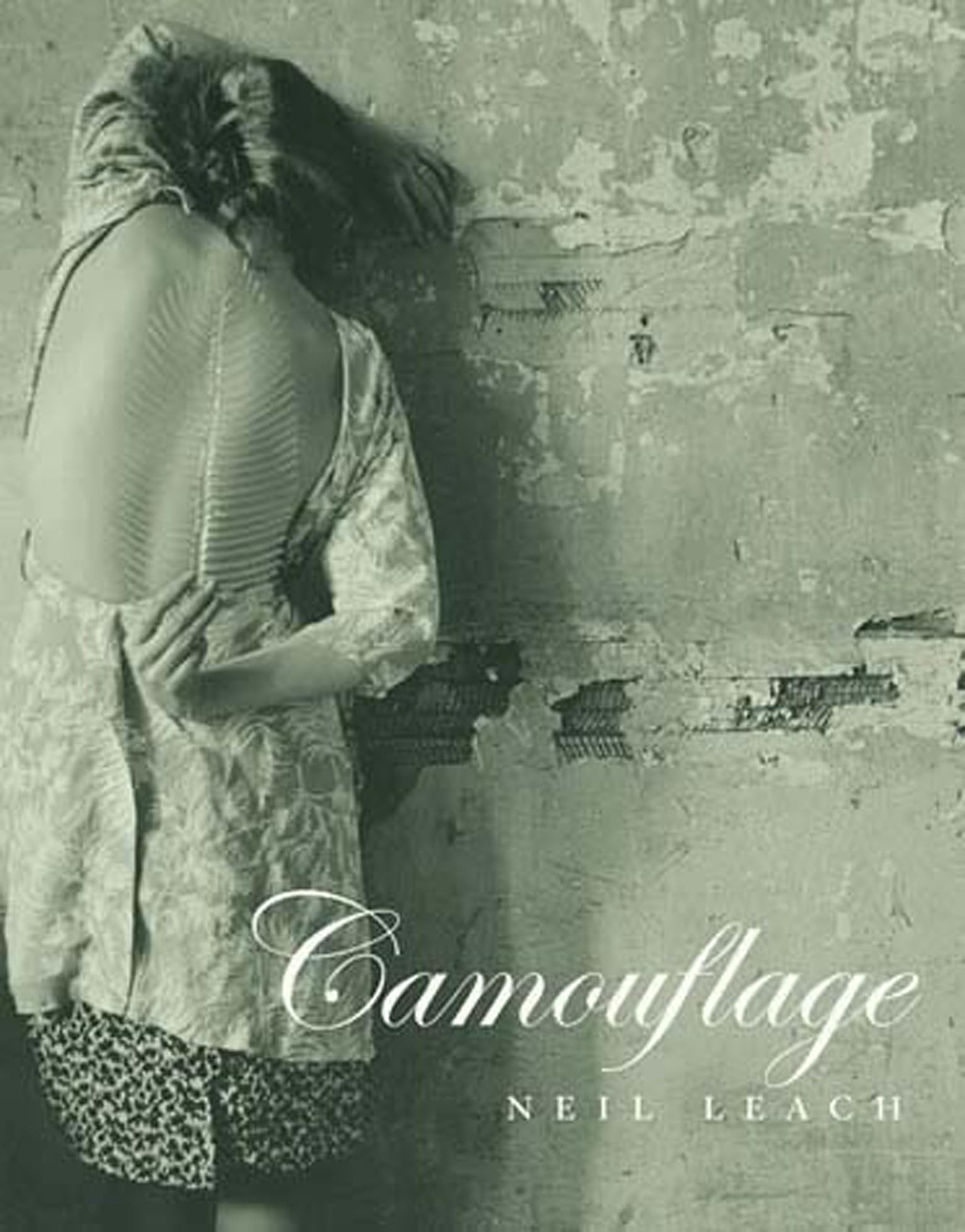
An exploration of the urge in human beings to feel at home in the world, and the role that architecture plays in this process.We human beings are governed by the urge to conform and blend in with our surroundings. We follow fashion. We become part of cultures of conformityreligious communities, military groups, sports teams; we take on corporate identities. Likewise, we seem to have the capacity to grow into our built environment, to familiarize ourselves with it, and eventually to find ourselves at home there. We have a chameleonlike urge to adapt, and, given the increasing mobility of contemporary life, we are constantly having to do so.The desire for camouflage is a desire to feel connectedto find our place in the world and to feel at home. In Camouflage Neil Leach analyzes this desire and its consequences for architectural concerns. Design, Leach argues, can aid the process of assimilation we go through when we adapt to our surroundings. Design can provide a form of connectivitya mediation between us and our environmentand it can contribute to a sense of belonging. Architecture, and indeed all forms of design and creativityfashion, art, cinema, and otherscan be an effective realm for forging a sense of belonging and establishing an identity.Camouflage offers a range of overlapping and intersecting theoretical perspectivesfrom an overview of psychoanalytic insights to an account of the magical properties of architectural modelsthat together suggest a way to rethink our relationship to the world and the role that design plays in that relationship.
⚠️ WARNING (California Proposition 65):
This product may contain chemicals known to the State of California to cause cancer,
birth defects, or other reproductive harm.
For MAP (Minimum Advertised Price) violations and Intellectual Property (IP) or Trademark concerns, please contact:
support@ergodebooks.com
⚠️ California Proposition 65 Warning: Some products sold on this website may expose you to chemicals known to the State of California to cause cancer, birth defects, or other reproductive harm. For more information, visit www.P65Warnings.ca.gov.