
Title
Can Educators Make A Difference: Experimenting With And Experiencing Democracy In Education,Used
Sold by Ergodebooks, an authorized reseller.
Returns accepted within 30 days | support@ergodebooks.com
Shipping Information
- Free Standard Shipping — United States only
- Processing Time: 3–5 business days
- Estimated Delivery: 6–10 business days after dispatch
- Double-boxed, fully insured & discreetly packaged
- Tracking number sent via email once dispatched
Returns & Refund
Returns accepted within 30 days of delivery.
Damaged or Defective Item
Free return shipping + replacement or full refund
Wrong Item Received
Free return shipping + replacement or full refund
Change of Mind
Return shipping at customer's expense · 25% restocking fee applies
Payment Option

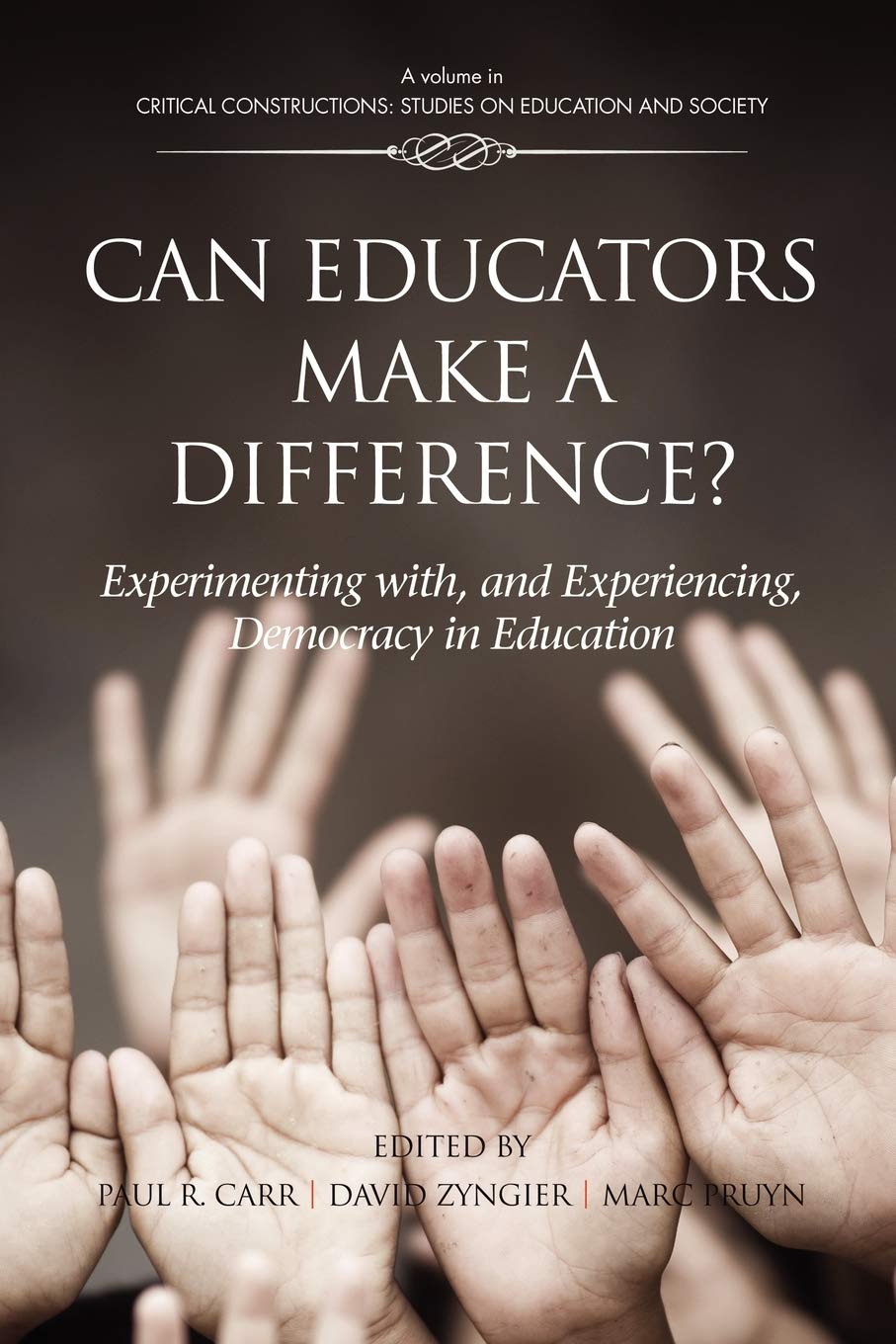
As the title of this book suggests, how we understand, perceive and experience democracy may have a significant effect on how we actually engage in, and with, democracy. Within the educational context, this is a key concern, and forms the basis of the research presented in this volume within a critical, comparative analysis. The Global Doing Democracy Research Project (GDDRP), which currently has some 70 scholars in over 20 countries examining how educators do democracy, provides the framework in which diverse scholars explore a host of concerns related to democracy and democratic education, including the impact of neoliberalism, political literacy, critical engagement, teaching and learning for and about democracy, social justice, and the meaning of power/power relations within the educational context.Ultimately, the contributors of this book collectively ask: can there be democracy without a critically engaged education, and, importantly, what role do educators play in this context and process? Why many educators in diverse contexts believe that they are unable, dissuaded and/or prevented from doing thick democratic education is problematized in this book but the authors also seek to illustrate that, despite the challenges, barriers and concerns about doing democracy in education, something can, and should, be done to develop, cultivate and ingratiate schools and society with more meaningful democratic practices and processes.This book breaks new ground by using a similar empirical methodology within a number of international contexts to gage the democratic sentiments and actions of educators, which raises a host of questions about epistemology, teacher education, policy development, pedagogy, institutional cultures, conscientization, and the potential for transformational change in education.
⚠️ WARNING (California Proposition 65):
This product may contain chemicals known to the State of California to cause cancer, birth defects, or other reproductive harm.
For more information, please visit www.P65Warnings.ca.gov.