
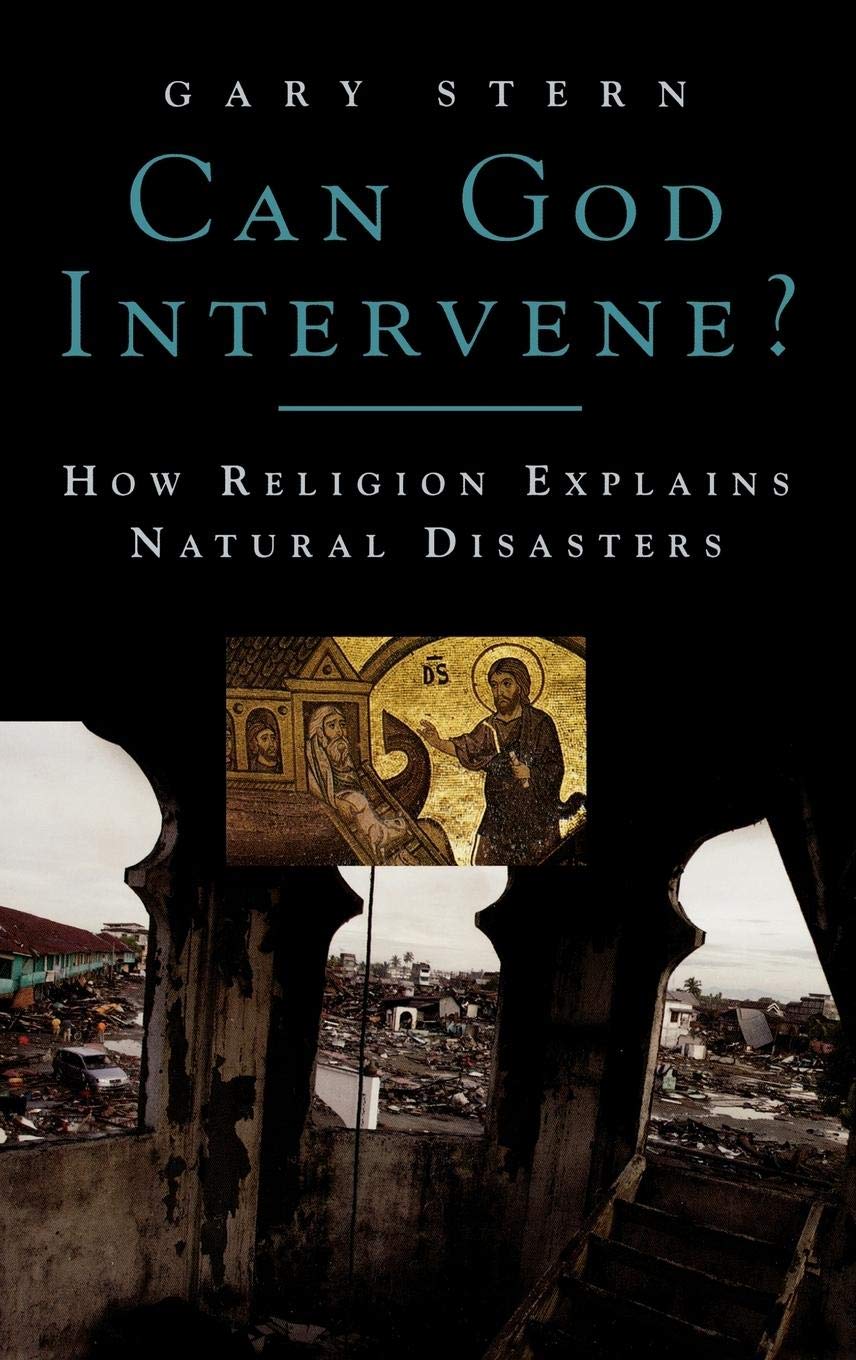
Title
Can God Intervene?: How Religion Explains Natural Disasters,Used
Sold by Ergodebooks, an authorized reseller.
Returns accepted within 30 days | support@ergodebooks.com
Shipping Information
- Free Standard Shipping — United States only
- Processing Time: 3–5 business days
- Estimated Delivery: 6–10 business days after dispatch
- Double-boxed, fully insured & discreetly packaged
- Tracking number sent via email once dispatched
Returns & Refund
Returns accepted within 30 days of delivery.
Damaged or Defective Item
Free return shipping + replacement or full refund
Wrong Item Received
Free return shipping + replacement or full refund
Change of Mind
Return shipping at customer's expense · 25% restocking fee applies
Payment Option

The death and devastation wrought by the tsunami in South Asia, Hurricane Katrina in the Gulf states, the earthquake in Pakistan, the mudslides in the Philippines, the tornadoes in the American Midwest, another earthquake in Indonesiathese are only the most recent acts of God to cause people of faith to question God's role in the physical universe. Volcanic eruptions, wildfires, epidemics, floods, blizzards, droughts, hailstorms, and famines can all raise the same questions: Can God intervene in natural events to prevent death, injury, sickness, and suffering? If so, why does God not act? If not, is God truly the AllLoving, AllPowerful, and AllPresent Being that many religions proclaim? Grappling with such questions has always been an essential component of religion, and different faiths have arrived at wildly different answers.To explore various religious explanations of the tragedies inflicted by nature, author Gary Stern has interviewed 43 prominent religious leaders across the religious spectrum, among them Rabbi Harold Kushner, author of When Bad Things Happen to Good People; Father Benedict Groeschel, author of Arise from Darkness; The Rev. James Rowe Adams, founder of the Center for Progressive Christianity; Kenneth R. Samples, vice president of Reason to Believe; Dr. James Cone, the legendary African American theologian; Tony Campolo, founder of the Evangelical Association for the Promotion of Education; Dr. Sayyid Syeed, general secretary of the Islamic Society of North America; Imam Yahya Hendi, the first Muslim chaplain at Georgetown University; Dr. Arvind Sharma, one of the world's leading Hindu scholars; Robert A. F. Thurman, the first American to be ordained a Tibetan Buddhist monk; David Silverman, the national spokesman for American Atheists; and othersrabbis, priests, imams, monks, storefront ministers, itinerant holy people, professors, and chaplainsJews, Roman Catholics, mainline Protestants, evangelical Christians, Muslims, Hindus, Buddhists, and Atheistspeople of belief, and people of nonbelief, too.Stern asked each of them probing questions about what their religion teaches and what their faith professes regarding the presence of tragedy. Some feel that the forces of nature are simply impersonal, and some believe that God is omniscient but not omnipotent. Some claim that nature is ultimately destructive because of Original Sin, some assert that the victims of natural disasters are sinners who deserve to die, and some explain that natural disasters are the result of individual and collective karma. Still others profess that God causes suffering in order to test and purify the victims. Stern, an awardwinning religion journalist, has extensive experience in this type of analytical journalism. The result is a work that probes and challenges real people's beliefs about a subject that, unfortunately, touches everyone's life.
⚠️ WARNING (California Proposition 65):
This product may contain chemicals known to the State of California to cause cancer, birth defects, or other reproductive harm.
For more information, please visit www.P65Warnings.ca.gov.