
Title
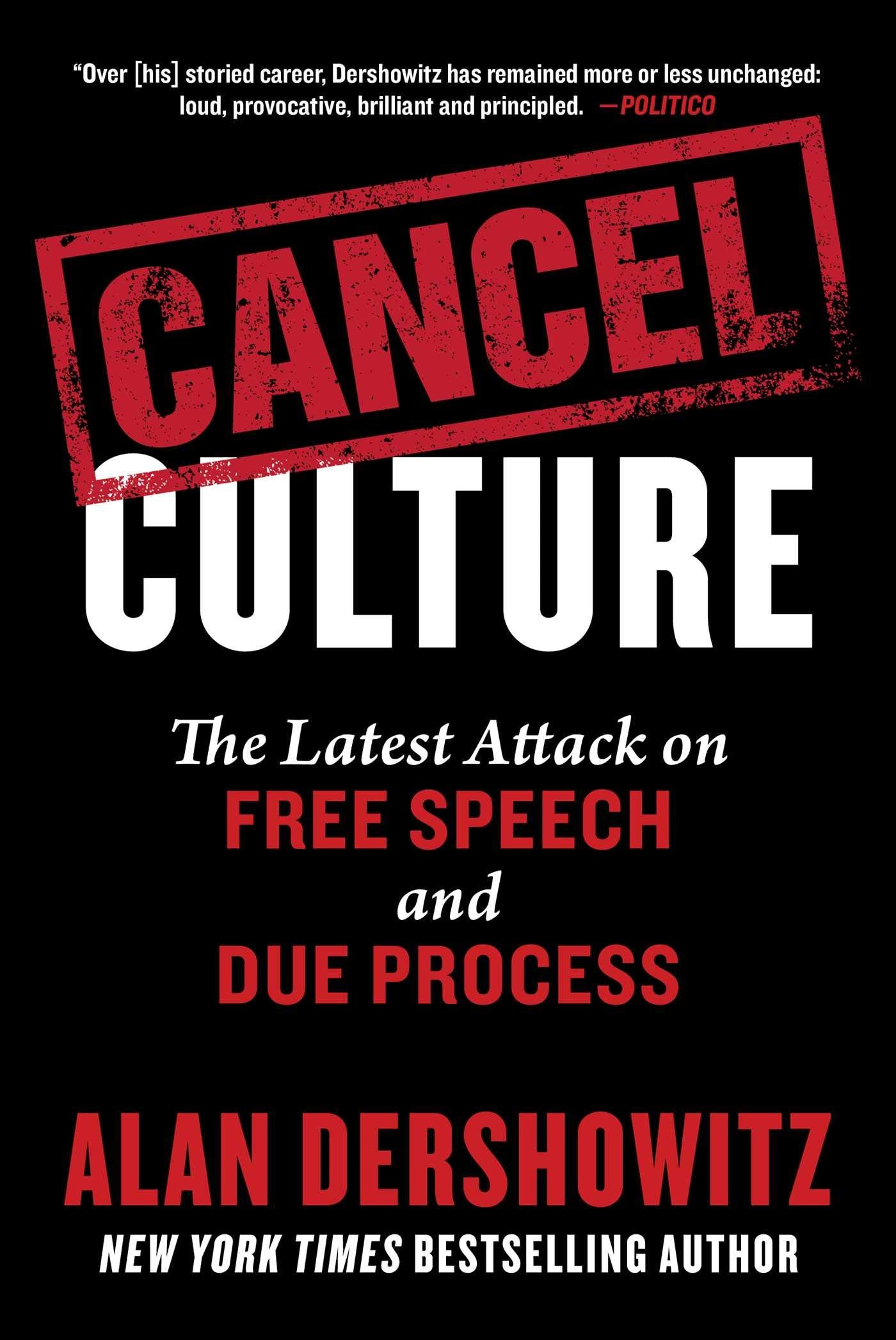
Cancel Culture: The Latest Attack on Free Speech and Due Process,Used
Sold by Ergodebooks, an authorized reseller.
Returns accepted within 30 days | support@ergodebooks.com
Shipping Information
- Free Standard Shipping — United States only
- Processing Time: 3–5 business days
- Estimated Delivery: 6–10 business days after dispatch
- Double-boxed, fully insured & discreetly packaged
- Tracking number sent via email once dispatched
Returns & Refund
Returns accepted within 30 days of delivery.
Damaged or Defective Item
Free return shipping + replacement or full refund
Wrong Item Received
Free return shipping + replacement or full refund
Change of Mind
Return shipping at customer's expense · 25% restocking fee applies
Payment Option

In Cancel Culture, Alan DershowitzNew York Times bestselling author and one of Americas most respected legal scholarsmakes an argument for free speech, due process, and restraint against the often overeager impulse to completely cancel individuals and institutions at the everchanging whims of social mediadriven crowds.Alan Dershowitz has been called one of the most prominent and consistent defenders of civil liberties in America by Politico and the nations most peripatetic civil liberties lawyer and one of its most distinguished defenders of individual rights by Newsweek. Yet he has come under intense criticism for his steadfast and consistent championing of those same principles, and his famed shoeontheotherfoot test, to those who have been cancelled for any number of faults, both real and imagined.Cancel Culture is a defense of due process, free speech, and evenhandedness in the application of judgment. It makes the case for restraint and care in decisions about whom and what to cancel, boycott, deplatform, and bar from public life, and offers recommendations for when, why, and to what degree these steps may be appropriate, as long as objective, fairminded criteria can be determined and met. While Dershowitz argues against the worst excesses of cancel culturethe rush to judgment and the devastating results it can have on those who may be innocent, the power of social media to effect punishment without a thorough examination of evidence, the idea that historical events can be viewed through the same lens as actions in the present dayhe also acknowledges that its defenders ostensibly try to use it to create meaningful, positive change, and notes that cancelling may itself be a constitutionally protected form of free speech.In the end, Cancel Culture represents an icon in the defense of free speech and due process reckoning with the greatest challenge and threat to these rights since the rise of McCarthyism. It is essential reading for anyone interested in or concerned about cancel culture, its effects on our society, and its significance in a greater historical and political context.
⚠️ WARNING (California Proposition 65):
This product may contain chemicals known to the State of California to cause cancer, birth defects, or other reproductive harm.
For more information, please visit www.P65Warnings.ca.gov.
- Q: What is the page count of the book? A: The book contains one hundred sixty-eight pages. This provides a concise yet comprehensive exploration of the themes around cancel culture.
- Q: What are the dimensions of the book? A: The book measures six inches in length, nine point zero two inches in height, and zero point eight inches in width. These dimensions make it a manageable size for reading and portability.
- Q: What type of binding does this book have? A: The book is bound in hardcover. This type of binding offers durability and a premium feel for readers.
- Q: How should I read this book? A: You can read this book at your own pace. It is suitable for anyone interested in social issues, free speech, and legal principles.
- Q: Is this book appropriate for young readers? A: The book is intended for adult audiences. Its themes are complex and may not be suitable for children or younger teens.
- Q: What is the main argument of this book? A: The main argument promotes the defense of free speech and due process in the context of cancel culture. It critiques the rapid judgments often made in social media.
- Q: How should I store this book? A: Store the book in a cool, dry place, upright on a shelf. This helps maintain its condition and prevents damage.
- Q: How can I keep this book in good condition? A: To keep the book in good condition, avoid exposing it to direct sunlight and moisture. Handle it gently to prevent wear.
- Q: What should I do if the book arrives damaged? A: If the book arrives damaged, you should contact the seller for a return or exchange. Most sellers offer a return policy for damaged items.
- Q: Can I return this book if I change my mind? A: Yes, you can typically return the book within a specified period. Check the seller’s return policy for details.
- Q: Is this book a good choice for someone interested in law? A: Yes, this book is an excellent choice for individuals interested in law and civil liberties. It provides insights from a respected legal scholar.
- Q: How does this book compare to other books on free speech? A: This book offers a unique perspective on cancel culture compared to other free speech literature. It combines legal analysis with societal critiques.
- Q: What kind of recommendations does the author make? A: The author offers recommendations on when and why to cancel actions, emphasizing objective and fair-minded criteria. This approach aims to balance free speech with accountability.
- Q: Who is the author of this book? A: The author is Alan Dershowitz, a New York Times bestselling author and respected legal scholar. He is known for his work in civil liberties.
- Q: Does this book discuss social media's role in cancel culture? A: Yes, the book discusses how social media influences cancel culture and can lead to punishment without thorough evidence. This is a central theme in the narrative.
- Q: What historical context does this book provide? A: The book places cancel culture in the historical context of free speech challenges, especially referencing McCarthyism. This comparison highlights the ongoing relevance of these issues.