
Title
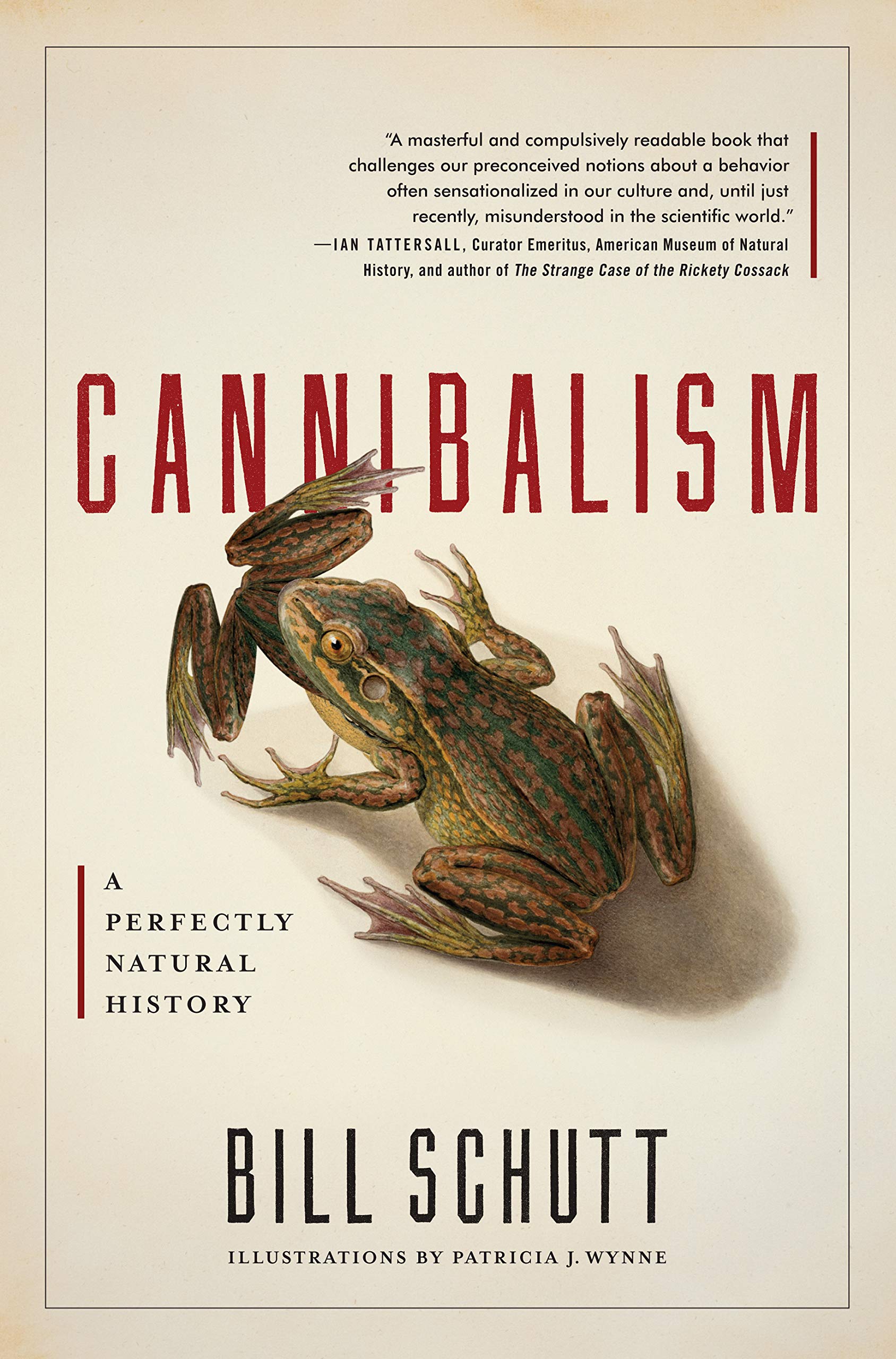
Cannibalism: A Perfectly Natural History
Sold by Ergodebooks, an authorized reseller.
Returns accepted within 30 days | support@ergodebooks.com
Shipping Information
- Free Standard Shipping — United States only
- Processing Time: 3–5 business days
- Estimated Delivery: 6–10 business days after dispatch
- Double-boxed, fully insured & discreetly packaged
- Tracking number sent via email once dispatched
Returns & Refund
Returns accepted within 30 days of delivery.
Damaged or Defective Item
Free return shipping + replacement or full refund
Wrong Item Received
Free return shipping + replacement or full refund
Change of Mind
Return shipping at customer's expense · 25% restocking fee applies
Payment Option

A Masterful And Compulsively Readable Book That Challenges Our Preconceived Notions About A Behavior Often Sensationalized In Our Culture And, Until Just Recently, Misunderstood In The Scientific World. Ian Tattersall, Curator Emeritus, American Museum Of Natural History, And Author Of The Strange Case Of The Rickety Cossackfor Centuries Scientists Have Written Off Cannibalism As A Bizarre Phenomenon With Little Biological Significance. Its Presence In Nature Was Dismissed As A Desperate Response To Starvation Or Other Lifethreatening Circumstances, And Few Spent Time Studying It. A Taboo Subject In Our Culture, The Behavior Was Portrayed Mostly Through Horror Movies Or Tabloids Sensationalizing The Crimes Of Reallife Flesheaters. But The True Nature Of Cannibalismthe Role It Plays In Evolution As Well As Human Historyis Even More Intriguing (And More Normal) Than The Misconceptions Weve Come To Accept As Fact.In Cannibalism: A Perfectly Natural History,Zoologist Bill Schutt Sets The Record Straight, Debunking Common Myths And Investigating Our New Understanding Of Cannibalisms Role In Biology, Anthropology, And History In The Most Fascinating Account Yet Written On This Complex Topic. Schutt Takes Readers From Arizonas Chiricahua Mountains, Where He Wades Through Ponds Full Of Tadpoles Devouring Their Siblings, To The Sierra Nevadas, Where He Joins Researchers Who Are Shedding New Light On What Happened To The Donner Partythe Most Infamous Episode Of Cannibalism In American History. He Even Meets With An Expert On The Preparation And Consumption Of Human Placenta (And, Yes, It Goes Well With Chianti).Bringing Together The Latest Cuttingedge Science, Schutt Answers Questions Such As Why Some Amphibians Consume Their Mothers Skin; Why Certain Insects Bite The Heads Off Their Partners After Sex; Why, Up Until The End Of The Twentieth Century, Europeans Regularly Ate Human Body Parts As Medical Curatives; And How Cannibalism Might Be Linked To The Extinction Of The Neanderthals. He Takes Us Into The Future As Well, Investigating Whether, As Climate Change Causes Famine, Disease, And Overcrowding, We May See More Outbreaks Of Cannibalism In Many More Speciesincluding Our Own.Cannibalism Places A Perfectly Natural Occurrence Into A Vital New Context And Invites Us To Explore Why It Both Enthralls And Repels Us.
⚠️ WARNING (California Proposition 65):
This product may contain chemicals known to the State of California to cause cancer, birth defects, or other reproductive harm.
For more information, please visit www.P65Warnings.ca.gov.
- Q: How many pages does the book have? A: This book has three hundred fifty-two pages. It provides an in-depth exploration of cannibalism in various contexts.
- Q: What is the binding type of this book? A: The book is hardcover. This binding type ensures durability and a premium feel.
- Q: What are the dimensions of the book? A: The book measures six and a half inches in length, one inch in width, and nine and a half inches in height. These dimensions make it easy to handle and store.
- Q: Who is the author of this book? A: The author is Bill Schutt. He is a zoologist with expertise in the subject matter of cannibalism.
- Q: What genre does this book belong to? A: This book belongs to the Biology genre. It combines elements of science and anthropology.
- Q: Is this book suitable for young readers? A: No, this book is not specifically aimed at young readers. It addresses complex topics that may be better suited for adults.
- Q: How do I read this book effectively? A: To read this book effectively, consider taking notes on the various myths and facts presented. Reflecting on the scientific insights will enhance your understanding.
- Q: Is there a recommended age for readers? A: This book is recommended for adult readers. Its themes and discussions are geared towards mature audiences.
- Q: Can I use this book for academic purposes? A: Yes, this book can be used for academic purposes. It provides valuable insights into cannibalism from a scientific and historical perspective.
- Q: How should I store this book? A: Store this book upright on a shelf to prevent damage. Keeping it away from direct sunlight can also help preserve its condition.
- Q: Does this book contain any adult themes? A: Yes, this book contains adult themes related to cannibalism. It discusses sensitive topics that may not be suitable for all readers.
- Q: What if the book arrives damaged? A: If the book arrives damaged, you should contact the seller for a return or exchange. Most retailers have policies in place for such situations.
- Q: Is there a warranty for this book? A: No, there is typically no warranty for books. However, check the return policy of the retailer for any specific guarantees.
- Q: How do I clean the book if it gets dirty? A: To clean the book, gently wipe the cover with a dry cloth. Avoid using water or cleaners that may damage the pages.
- Q: Can I gift this book to someone? A: Yes, you can gift this book to someone interested in biology or unique historical topics. It makes a thought-provoking present.
- Q: What makes this book unique? A: This book is unique for its comprehensive examination of cannibalism, challenging myths and exploring its significance in evolution and history.