
Title
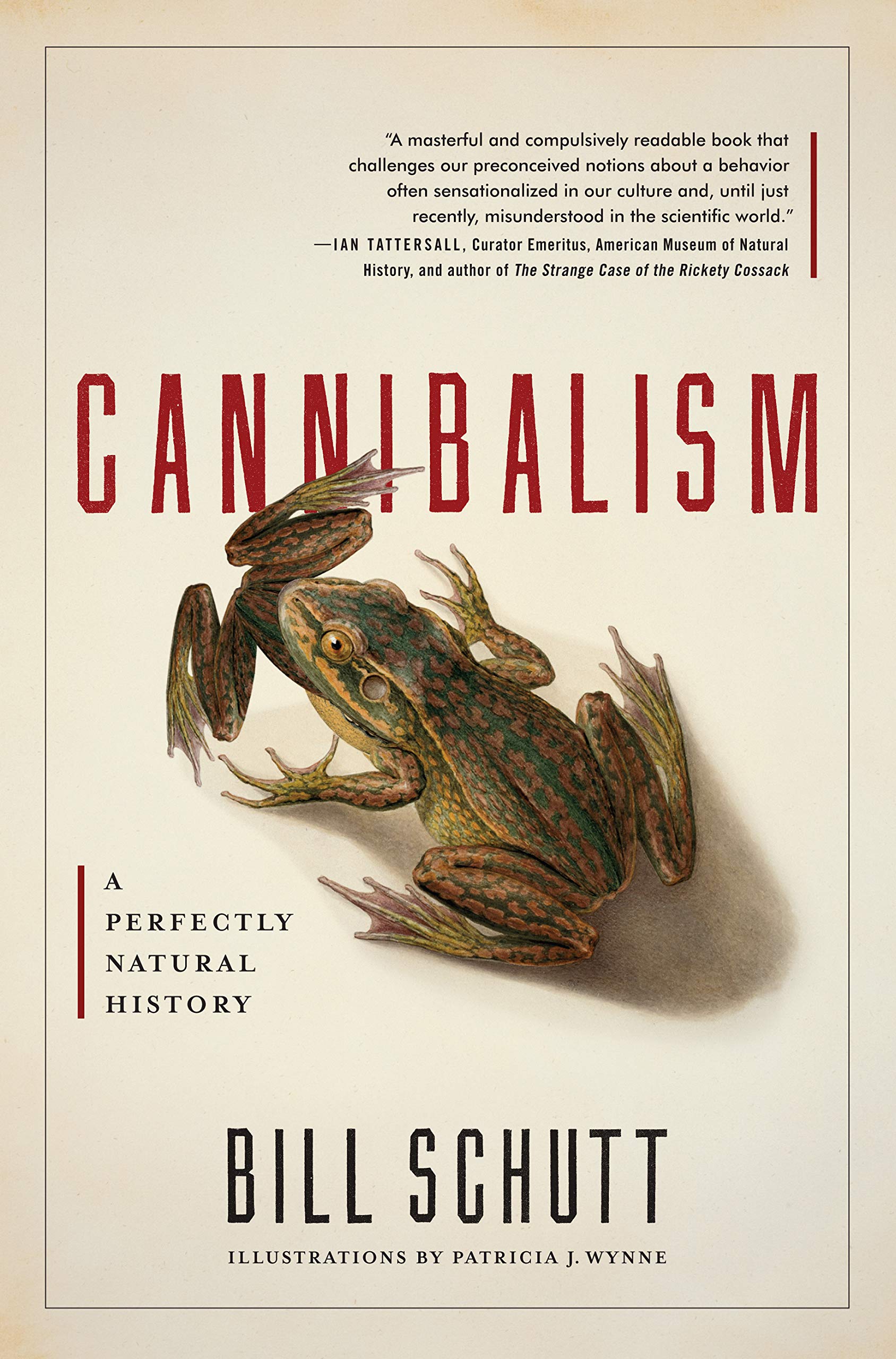
Cannibalism: A Perfectly Natural History,Used
Sold by Ergodebooks, an authorized reseller.
Returns accepted within 30 days | support@ergodebooks.com
Shipping Information
- Free Standard Shipping — United States only
- Processing Time: 3–5 business days
- Estimated Delivery: 6–10 business days after dispatch
- Double-boxed, fully insured & discreetly packaged
- Tracking number sent via email once dispatched
Returns & Refund
Returns accepted within 30 days of delivery.
Damaged or Defective Item
Free return shipping + replacement or full refund
Wrong Item Received
Free return shipping + replacement or full refund
Change of Mind
Return shipping at customer's expense · 25% restocking fee applies
Payment Option

A masterful and compulsively readable book that challenges our preconceived notions about a behavior often sensationalized in our culture and, until just recently, misunderstood in the scientific world. Ian Tattersall, Curator Emeritus, American Museum of Natural History, and author of The Strange Case of the Rickety CossackFor centuries scientists have written off cannibalism as a bizarre phenomenon with little biological significance. Its presence in nature was dismissed as a desperate response to starvation or other lifethreatening circumstances, and few spent time studying it. A taboo subject in our culture, the behavior was portrayed mostly through horror movies or tabloids sensationalizing the crimes of reallife flesheaters. But the true nature of cannibalismthe role it plays in evolution as well as human historyis even more intriguing (and more normal) than the misconceptions weve come to accept as fact.In Cannibalism: A Perfectly Natural History,zoologist Bill Schutt sets the record straight, debunking common myths and investigating our new understanding of cannibalisms role in biology, anthropology, and history in the most fascinating account yet written on this complex topic. Schutt takes readers from Arizonas Chiricahua Mountains, where he wades through ponds full of tadpoles devouring their siblings, to the Sierra Nevadas, where he joins researchers who are shedding new light on what happened to the Donner Partythe most infamous episode of cannibalism in American history. He even meets with an expert on the preparation and consumption of human placenta (and, yes, it goes well with Chianti).Bringing together the latest cuttingedge science, Schutt answers questions such as why some amphibians consume their mothers skin; why certain insects bite the heads off their partners after sex; why, up until the end of the twentieth century, Europeans regularly ate human body parts as medical curatives; and how cannibalism might be linked to the extinction of the Neanderthals. He takes us into the future as well, investigating whether, as climate change causes famine, disease, and overcrowding, we may see more outbreaks of cannibalism in many more speciesincluding our own.Cannibalism places a perfectly natural occurrence into a vital new context and invites us to explore why it both enthralls and repels us.
⚠️ WARNING (California Proposition 65):
This product may contain chemicals known to the State of California to cause cancer, birth defects, or other reproductive harm.
For more information, please visit www.P65Warnings.ca.gov.