
Title
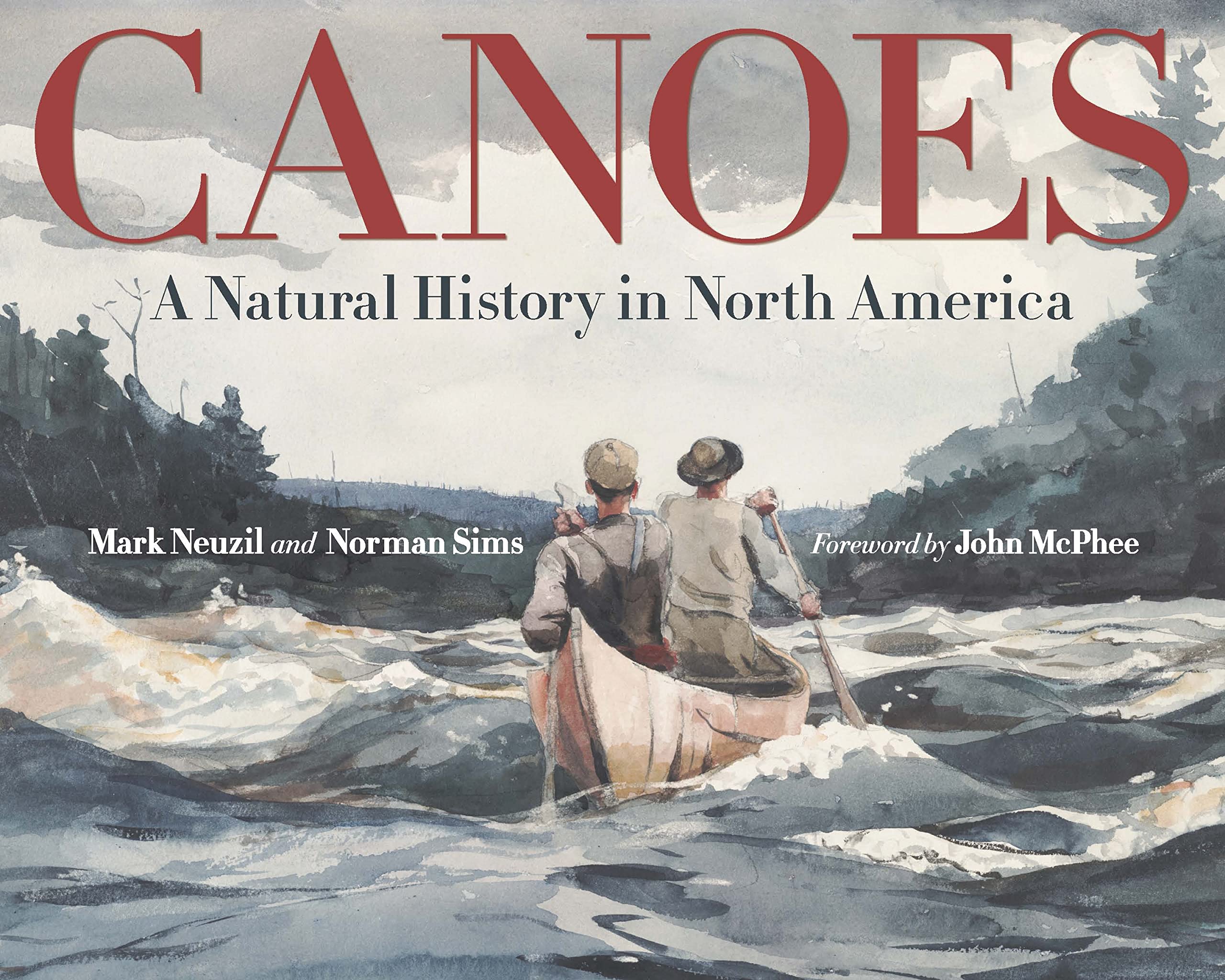
Canoes: A Natural History in North America (Posthumanities),Used
Sold by Ergodebooks, an authorized reseller.
Returns accepted within 30 days | support@ergodebooks.com
Shipping Information
- Free Standard Shipping — United States only
- Processing Time: 3–5 business days
- Estimated Delivery: 6–10 business days after dispatch
- Double-boxed, fully insured & discreetly packaged
- Tracking number sent via email once dispatched
Returns & Refund
Returns accepted within 30 days of delivery.
Damaged or Defective Item
Free return shipping + replacement or full refund
Wrong Item Received
Free return shipping + replacement or full refund
Change of Mind
Return shipping at customer's expense · 25% restocking fee applies
Payment Option

Ancient records of canoes are found from the Pacific Northwest to the coast of Maine, in Minnesota and Mexico, in the Southeast and across the Caribbean. And if a native of those distant times might encounter a canoe of our daywhether birch bark or dugout or a modern marvel made of carbon fiberits silhouette would be instantly recognizable. This is the story of that singular American artifact, so little changed over time: of canoes, old and new, the people who made them, and the labors and adventures they shared. With features of technology, industry, art, and survival, the canoe carries us deep into the natural and cultural history of North America.In the foreword by Pulitzer Prizewinner John McPhee, we dip into the experience of canoeing, from the thrilling challenges of childhood camp expeditions to the moving reflections of longtime paddlers. The pages that follow are filled with historical photographs and artwork, authors Neuzil and Sims describe the dugout and birch bark craft from their first known appearance through the exploration of Canada by fur traders, to the recreational movements that promoted allwood and woodandcanvas canoes. Modern materials such as aluminum, fiberglass, and plastic expanded participation and connected canoeists with emerging environmental movements.Finally, Canoes lets us hear the voices of past paddlers like Alexander Mackenzie, the first European to cross North America, using birch bark and dugout canoes a decade before Lewis and Clark went overland, Henry Thoreau, Eric Sevareid, Edwin Tappan Adney, and others. Their stories are a tribute to the First Peoples who, 500 or 1,000 or even 5,000 years ago, built a craft designed to such perfection that it has plied the waters fundamentally unchanged ever since.
⚠️ WARNING (California Proposition 65):
This product may contain chemicals known to the State of California to cause cancer, birth defects, or other reproductive harm.
For more information, please visit www.P65Warnings.ca.gov.