
Title
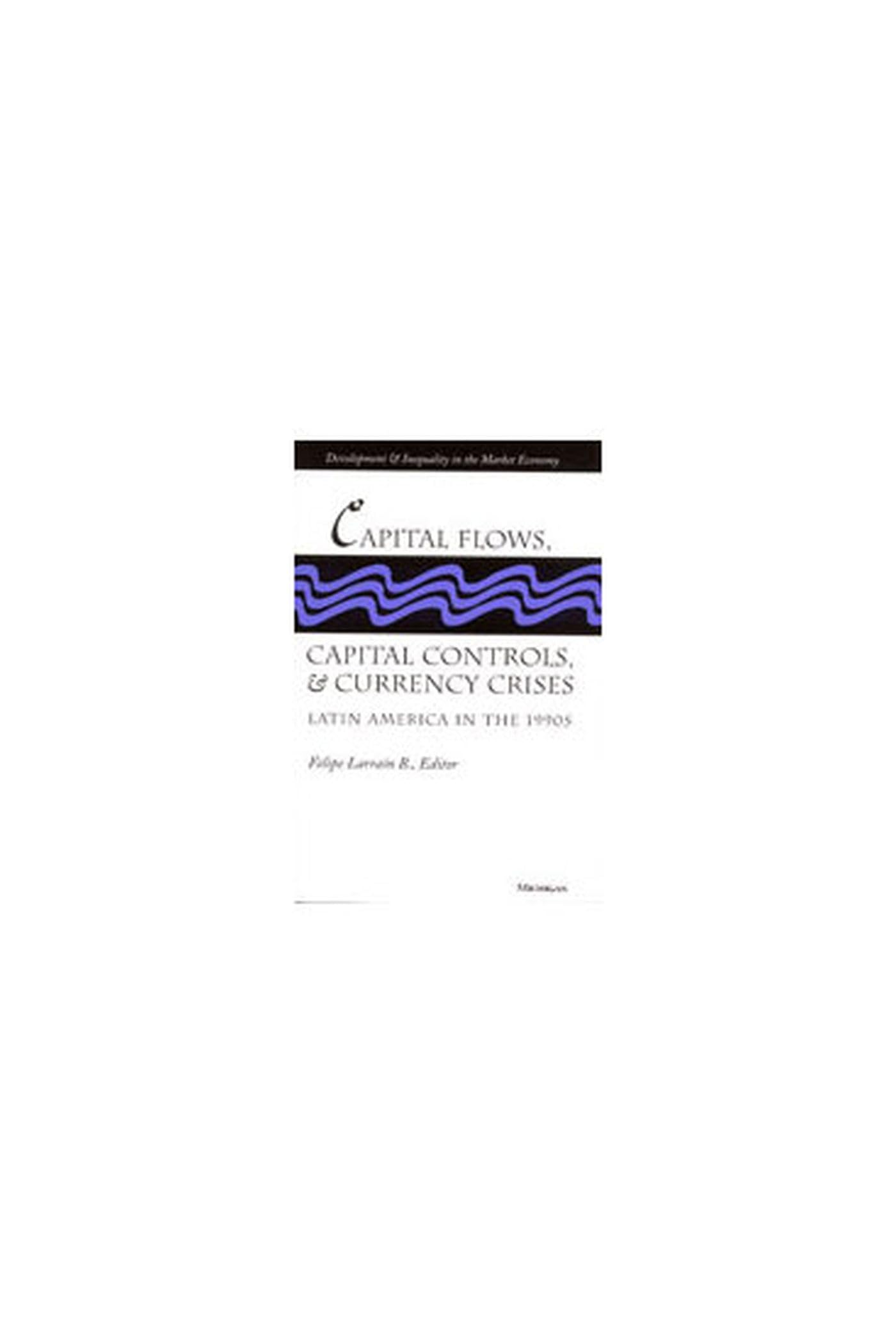
Capital Flows, Capital Controls, and Currency Crises: Latin America in the 1990s (Development And Inequality In The Market Econo,Used
Sold by Ergodebooks, an authorized reseller.
Returns accepted within 30 days | support@ergodebooks.com
Shipping Information
- Free Standard Shipping — United States only
- Processing Time: 3–5 business days
- Estimated Delivery: 6–10 business days after dispatch
- Double-boxed, fully insured & discreetly packaged
- Tracking number sent via email once dispatched
Returns & Refund
Returns accepted within 30 days of delivery.
Damaged or Defective Item
Free return shipping + replacement or full refund
Wrong Item Received
Free return shipping + replacement or full refund
Change of Mind
Return shipping at customer's expense · 25% restocking fee applies
Payment Option

After a decade of financial isolation from world private capital markets following the external debt crisis of the early 1980s, Latin America became an effective magnet for private capital in the 1990s. Two major events, however, altered an otherwise positive picture for this region: the Mexican crisis of 199495 and the Asian crisis of 1997. This volume analyzes the return of private capital to Latin America and studies the main policy options available to economic authorities under these new circumstances.Part 1 is dedicated to the study of capital account restrictions and the role of economic fundamentals. A theoretical chapter develops a model to determine whether a liberalization of capital outflows effectively promotes outflows or is more likely to attract inflows. Others empirically analyze the effectiveness of capital controls in Chile, and the role of economic fundamentals in the determination of capital inflows to Chile, Latin America, and developing countries overall.Part 2 contains country studies of Argentina, Brazil, Colombia, Chile, and Mexico. Written by national economists of each country who have lived through the inflow and outflow episodes and carried out their own research on the subject, these studies provide the inside story for each country. They analyze the timing, size, and composition of capital inflows, their determinants, their impact on the domestic economies, and, in particular, the ways in which local economic authorities have reacted to the inflows and crises, and the effectiveness of these policies in changing the size and/or composition of capital inflows.This volume will be of interest to scholars, policymakers, students, and Latin American specialists investigating capital flows and capital controls in a fastchanging international environment.Felipe Larran B. is Robert F. Kennedy Visiting Professor of Latin American Studies, Harvard Kennedy School of Government and Professor of Economics, Universidad Catlica de Chile.
⚠️ WARNING (California Proposition 65):
This product may contain chemicals known to the State of California to cause cancer, birth defects, or other reproductive harm.
For more information, please visit www.P65Warnings.ca.gov.