
Title
Carbon Coalitions: Business, Climate Politics, And The Rise Of Emissions Trading (Mit Press)
Sold by Ergodebooks, an authorized reseller.
Returns accepted within 30 days | support@ergodebooks.com
Shipping Information
- Free Standard Shipping — United States only
- Processing Time: 3–5 business days
- Estimated Delivery: 6–10 business days after dispatch
- Double-boxed, fully insured & discreetly packaged
- Tracking number sent via email once dispatched
Returns & Refund
Returns accepted within 30 days of delivery.
Damaged or Defective Item
Free return shipping + replacement or full refund
Wrong Item Received
Free return shipping + replacement or full refund
Change of Mind
Return shipping at customer's expense · 25% restocking fee applies
Payment Option

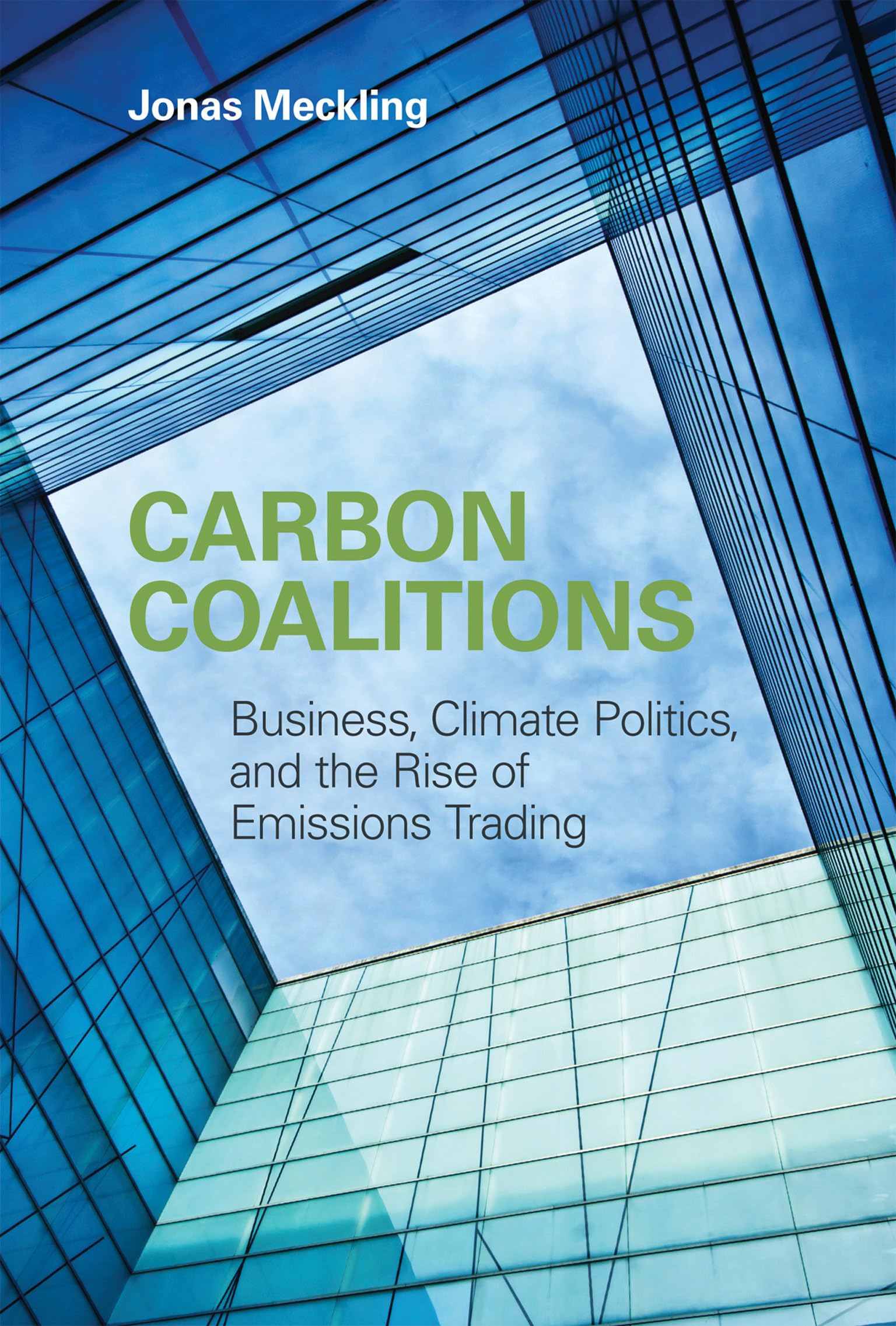
An examination of how a transnational coalition of firms and NGOs influenced the emergence of emissions trading as a central component of global climate governance.Over the past decade, carbon trading has emerged as the industrialized world's primary policy response to global climate change despite considerable controversy. With carbon markets worth $144 billion in 2009, carbon trading represents the largest manifestation of the trend toward marketbased environmental governance. In Carbon Coalitions, Jonas Meckling presents the first comprehensive study on the rise of carbon trading and the role business played in making this policy instrument a central pillar of global climate governance.Meckling explains how a transnational coalition of firms and a few marketoriented environmental groups actively promoted international emissions trading as a compromise policy solution in a situation of political stalemate. The coalition sidelined not only environmental groups that favored taxation and commandandcontrol regulation but also business interests that rejected any emissions controls. Considering the sources of business influence, Meckling emphasizes the importance of political opportunities (policy crises and norms), coalition resources (funding and legitimacy,) and political strategy (mobilizing state allies and multilevel advocacy).Meckling presents three case studies that represent milestones in the rise of carbon trading: the internationalization of emissions trading in the Kyoto Protocol (19892000); the creation of the EU Emissions Trading System (19982008); and the reemergence of emissions trading on the U.S. policy agenda (20012009). These cases and the theoretical framework that Meckling develops for understanding the influence of transnational business coalitions offer critical insights into the role of business in the emergence of marketbased global environmental governance.
⚠️ WARNING (California Proposition 65):
This product may contain chemicals known to the State of California to cause cancer, birth defects, or other reproductive harm.
For more information, please visit www.P65Warnings.ca.gov.