
Title
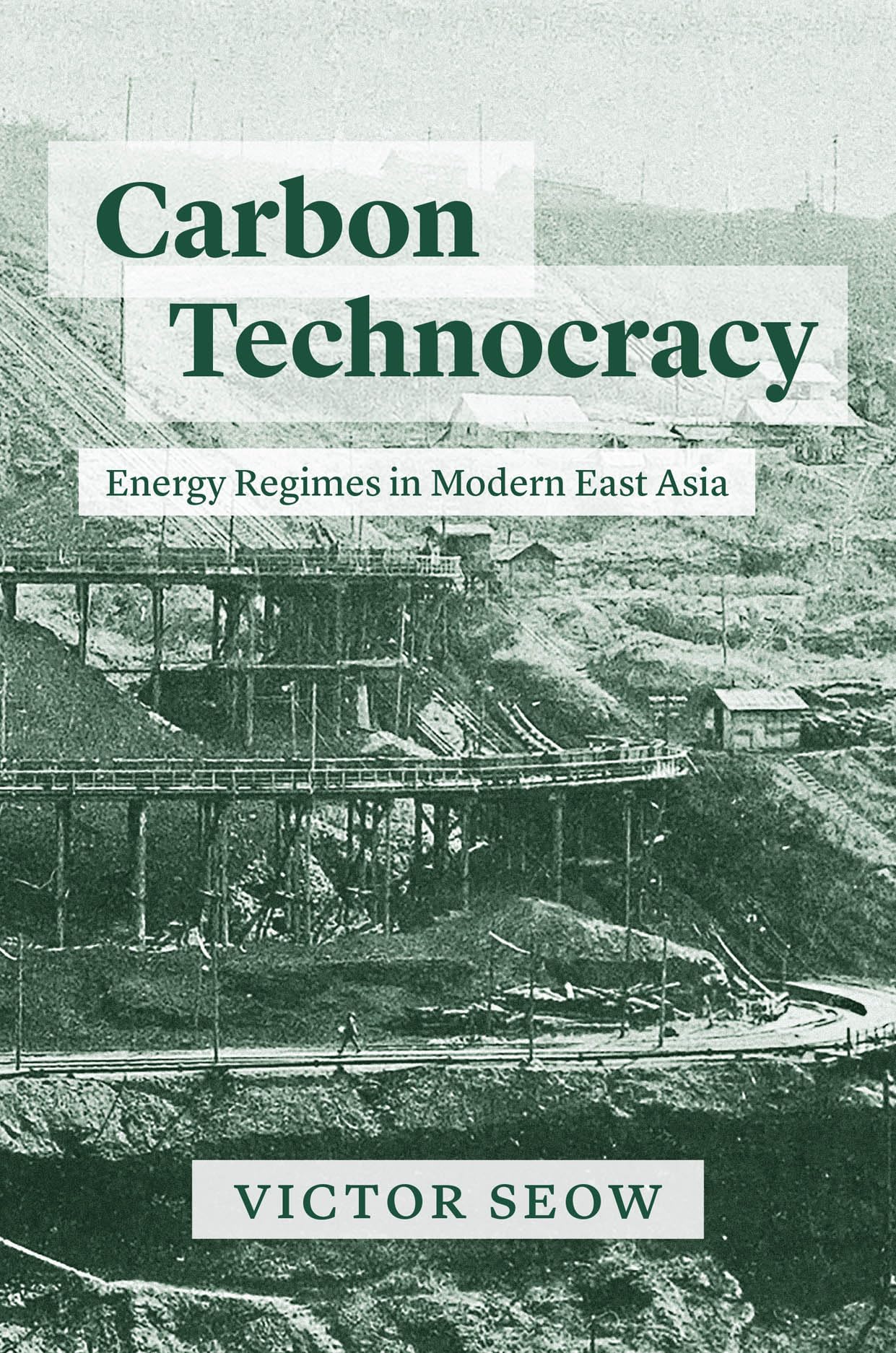
Carbon Technocracy: Energy Regimes in Modern East Asia (Studies of the Weatherhead East Asian Institute),Used
Sold by Ergodebooks, an authorized reseller.
Returns accepted within 30 days | support@ergodebooks.com
Shipping Information
- Free Standard Shipping — United States only
- Processing Time: 3–5 business days
- Estimated Delivery: 6–10 business days after dispatch
- Double-boxed, fully insured & discreetly packaged
- Tracking number sent via email once dispatched
Returns & Refund
Returns accepted within 30 days of delivery.
Damaged or Defective Item
Free return shipping + replacement or full refund
Wrong Item Received
Free return shipping + replacement or full refund
Change of Mind
Return shipping at customer's expense · 25% restocking fee applies
Payment Option

A forceful reckoning with the relationship between energy and power through the history of what was once East Asia? largest coal mine.The coalmining town of Fushun in China? Northeast is home to a monstrous open pit. First excavated in the early twentieth century, this pit grew like a widening maw over the ensuing decades, as various Chinese and Japanese states endeavored to unearth Fushun? purportedly ?nexhaustible?carbon resources. Today, the depleted mine that remains is a wondrous and terrifying monument to fantasies of a fossilfueled future and the technologies mobilized in attempts to turn those developmentalist dreams into reality.In Carbon Technocracy, Victor Seow uses the remarkable story of the Fushun colliery to chart how the fossil fuel economy emerged in tandem with the rise of the modern technocratic state. Taking coal as an essential feedstock of national wealth and power, Chinese and Japanese bureaucrats, engineers, and industrialists deployed new technologies like openpit mining and hydraulic stowage in pursuit of intensive energy extraction. But as much as these mine operators idealized the might of fossil fueldriven machines, their extractive efforts nevertheless relied heavily on the human labor that those devices were expected to displace. Under the carbon energy regime, countless workers here and elsewhere would be subjected to invasive techniques of labor control, everescalating output targets, and the dangers of an increasingly exploited earth.Although Fushun is no longer the coal capital it once was, the pattern of aggressive fossilfueled development that led to its ascent endures. As we confront a planetary crisis precipitated by our extravagant consumption of carbon, it holds urgent lessons. This is a groundbreaking exploration of how the mutual production of energy and power came to define industrial modernity and the wider world that carbon made.
⚠️ WARNING (California Proposition 65):
This product may contain chemicals known to the State of California to cause cancer, birth defects, or other reproductive harm.
For more information, please visit www.P65Warnings.ca.gov.
- Q: How many pages does this book have? A: This book has three hundred eighty-four pages. It provides an in-depth exploration of energy regimes in modern East Asia.
- Q: What is the binding type of this book? A: This book is a hardcover edition. This durable binding is designed for long-term use and preservation.
- Q: What are the dimensions of this book? A: The book measures five point nine eight inches in length, one point one eight inches in width, and nine point zero two inches in height. These dimensions make it a manageable size for reading.
- Q: Who is the author of Carbon Technocracy? A: The author of Carbon Technocracy is Victor Seow. He offers a critical analysis of energy and power throughout East Asia's industrial history.
- Q: What is the main theme of this book? A: The main theme of this book is the relationship between energy and power in East Asia. It examines the historical context of coal mining in the region.
- Q: Is this book suitable for academic study? A: Yes, this book is suitable for academic study. It is part of the Studies of the Weatherhead East Asian Institute series, making it a valuable resource for researchers.
- Q: How should I care for this hardcover book? A: To care for this hardcover book, store it in a cool, dry place and avoid exposure to direct sunlight. This will help preserve its condition over time.
- Q: Can I clean the cover of this book? A: Yes, you can clean the cover with a soft, dry cloth. Avoid using water or cleaning solutions to prevent damage.
- Q: What is the recommended age group for this book? A: This book is recommended for adults and older teens. Its complex themes may not be suitable for younger readers.
- Q: Is there a glossary or index in this book? A: Yes, this book includes an index. This feature makes it easier to locate specific topics and references.
- Q: What should I do if the book arrives damaged? A: If the book arrives damaged, contact the seller for a return or exchange. Most sellers offer a return policy for damaged items.
- Q: Is there a warranty for this book? A: No, there is typically no warranty for books. However, check with the seller for their specific return policy.
- Q: How does this book compare to other works on energy policy? A: This book provides a unique perspective on energy policy focused on East Asia. It contrasts with other works that may cover broader global contexts.
- Q: What makes this book a valuable resource? A: This book is valuable due to its in-depth analysis and historical context of energy regimes. It offers insights into the socio-economic impacts of coal mining.
- Q: How do I find similar books on this topic? A: To find similar books, search for titles in the Studies of the Weatherhead East Asian Institute series. This will lead you to related academic works.
- Q: Are there any illustrations or photographs in this book? A: The book does not prominently feature illustrations or photographs. It focuses on written analysis and historical context.