
Title


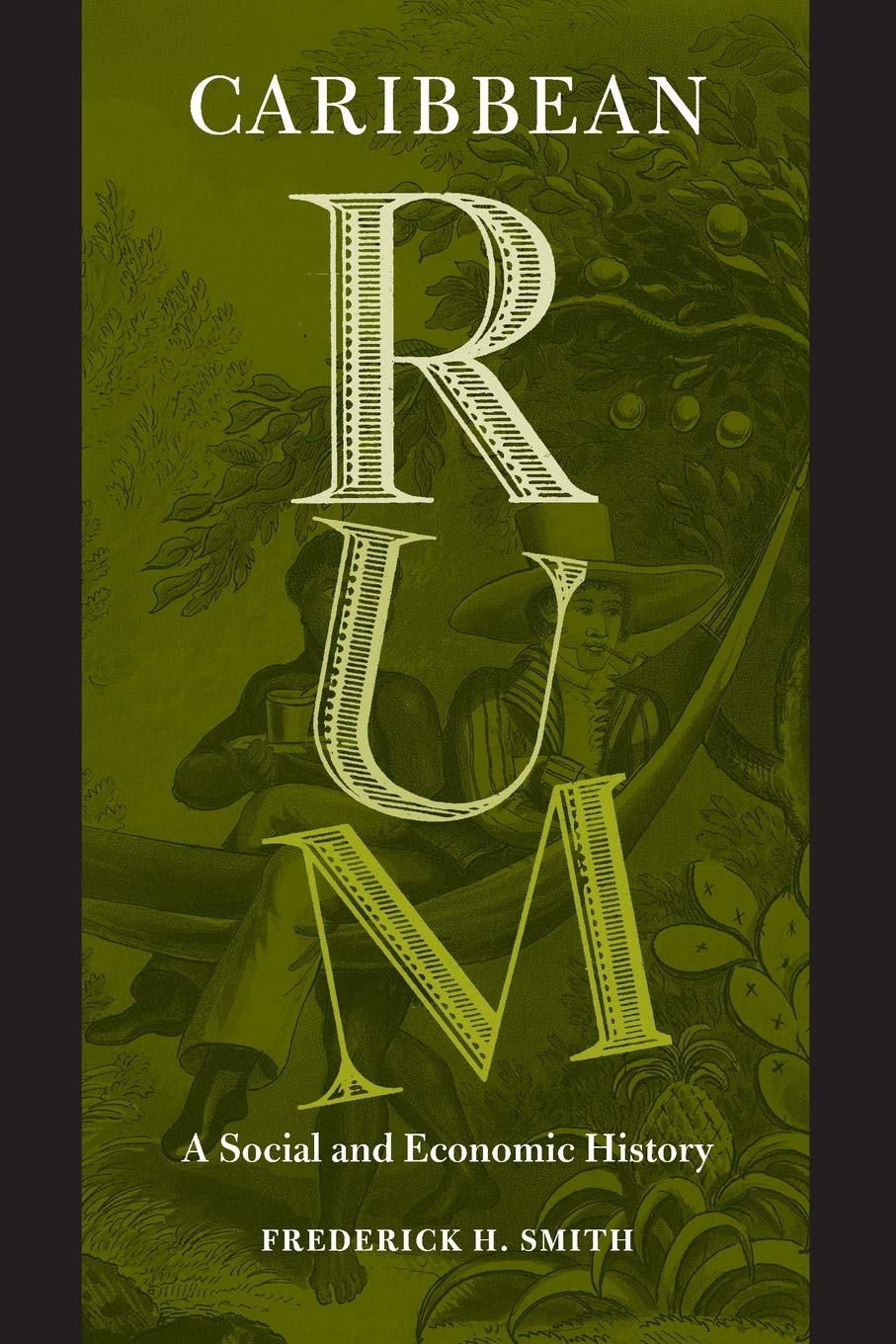
Caribbean Rum: A Social And Economic History,Used
Sold by Ergodebooks, an authorized reseller.
Returns accepted within 30 days | support@ergodebooks.com
Shipping Information
- Free Standard Shipping — United States only
- Processing Time: 3–5 business days
- Estimated Delivery: 6–10 business days after dispatch
- Double-boxed, fully insured & discreetly packaged
- Tracking number sent via email once dispatched
Returns & Refund
Returns accepted within 30 days of delivery.
Damaged or Defective Item
Free return shipping + replacement or full refund
Wrong Item Received
Free return shipping + replacement or full refund
Change of Mind
Return shipping at customer's expense · 25% restocking fee applies
Payment Option

The Most Significant Contribution To The History Of Caribbean Rum Since John Mccusker'S Rum And The American Revolution. . . . It Adds Significantly To Mccuskers Work By Analyzing The Caribbean Environment In Greater Depth And By Bringing The Story Forward By Two Centuries.'Anthony P. Maingot, Florida International Universitychristopher Columbus Brought Sugarcane To The New World On His Second Voyage. By 1520 Commercial Sugar Production Was Underway In The Caribbean, Along With The Perfection Of Methods To Ferment And Distill Alcohol From Sugarcane To Produce A New Beverage That Would Have Dramatic Impact On The Region. Caribbean Rum Presents The Fascinating Cultural, Economic, And Ethnographic History Of Rum In The Caribbean From The Colonial Period To The Present.Drawing On Data From Historical Archaeology And The Economic History Of The Caribbean, Frederick Smith Explains Why This Industry Arose In The Islands, How Attitudes Toward Alcohol Consumption Have Impacted The People Of The Region, And How Rum Production Evolved Over 400 Years From A Small Colonial Activity To A Multibilliondollar Industry Controlled By Multinational Corporations. He Investigates The Economic Impact Of Caribbean Rum On Many Scales, Including Rum'S Contribution To Sugarcane Plantation Revenues, Its Role In Bolstering Colonial And Postcolonial Economies, And Its Impact On Atlantic Trade. Smith Discusses The Political And Economic Trends That Determined The Value Of Rum, Especially War, Competition From Other Alcohol Industries, Slavery And Emancipation, Temperance Movements, And Globalization.The Book Also Examines The Social And Sacred Uses Of Rum And Identifies The Forces That Shaped Alcohol Use In The Caribbean. It Shows How Levels Of Drinking And Drunken Deportment Reflected Underlying Social Tensions, Which Were Driven By The Coercive Exploitation Of Labor And Set Within A Highly Contentious Hierarchy Based On Class, Race, Gender, Religion, And Ethnic Identity, And How These Tensions Were Magnified By Epidemic Disease, Poor Living Conditions, Natural Disasters, International Conflicts, And Unstable Food Supplies.
⚠️ WARNING (California Proposition 65):
This product may contain chemicals known to the State of California to cause cancer, birth defects, or other reproductive harm.
For more information, please visit www.P65Warnings.ca.gov.