
Title
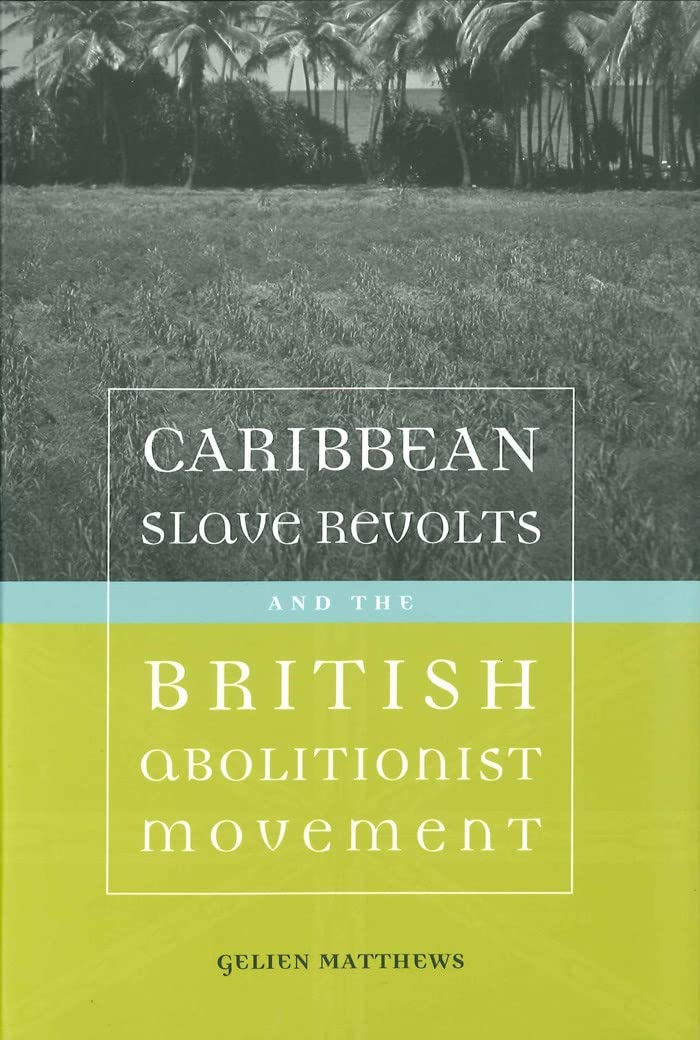
Caribbean Slave Revolts And The British Abolitionist Movement (Antislavery, Abolition, And The Atlantic World)
Sold by Ergodebooks, an authorized reseller.
Returns accepted within 30 days | support@ergodebooks.com
Shipping Information
- Free Standard Shipping — United States only
- Processing Time: 3–5 business days
- Estimated Delivery: 6–10 business days after dispatch
- Double-boxed, fully insured & discreetly packaged
- Tracking number sent via email once dispatched
Returns & Refund
Returns accepted within 30 days of delivery.
Damaged or Defective Item
Free return shipping + replacement or full refund
Wrong Item Received
Free return shipping + replacement or full refund
Change of Mind
Return shipping at customer's expense · 25% restocking fee applies
Payment Option

In This Illuminating Study, Gelien Matthews Demonstrates How Slave Rebellions In The British West Indies Influenced The Tactics Of Abolitionists In England And How The Rhetoric And Actions Of The Abolitionists Emboldened Slaves. Moving Between The World Of The British Parliament And The Realm Of Caribbean Plantations, Matthews Reveals A Transatlantic Dialectic Of Antislavery Agitation And Slave Insurrection That Eventually Influenced The Dismantling Of Slavery In Britishheld Territories.Focusing On Slave Revolts That Took Place In Barbados In 1816, In Demerara In 1823, And In Jamaica In 183132, Matthews Identifies Four Key Aspects In British Abolitionist Propaganda Regarding Caribbean Slavery: The Denial That Antislavery Activism Prompted Slave Revolts, The Attempt To Understand And Recount Slave Uprisings From The Slaves' Perspectives, The Portrayal Of Slave Rebels As Victims Of Armed Suppressors And As Agents Of The Antislavery Movement, And The Presentation Of Revolts As A Rationale Against The Continuance Of Slavery. She Makes Shrewd Use Of Previously Overlooked Publications Of British Abolitionists To Prove That Their Language Changed Over Time In Response To Slave Uprisings.Historians Previously Have Examined The Economic, Religious, And Political Bases For Slavery'S Abolishment In The Caribbean, But Matthews Here Emphasizes The Agency Of Slaves In The March Toward Freedom. Her Compelling Work Is A Valuable Analytical Tool In The Interpretation Of Abolition In North America, Uncovering The Important Connections Between Rebellious Slaves On One Side Of The Atlantic And Abolitionists On The Other Side.
⚠️ WARNING (California Proposition 65):
This product may contain chemicals known to the State of California to cause cancer, birth defects, or other reproductive harm.
For more information, please visit www.P65Warnings.ca.gov.
- Q: How many pages does this book have? A: This book has two hundred twelve pages. It provides a detailed analysis of Caribbean slave revolts and the abolitionist movement.
- Q: What are the dimensions of this book? A: The dimensions of this book are six inches by zero point four inches by nine point zero two inches. These measurements make it a suitable size for both reading and shelf storage.
- Q: What type of binding does this book have? A: This book is paperback bound. This type of binding is typically more flexible and lighter than hardcover options.
- Q: Who is the author of this book? A: The author of this book is Gelien Matthews. He explores the connections between slave revolts and abolitionist tactics in Britain.
- Q: What is the main topic of this book? A: The main topic of this book is the interplay between Caribbean slave revolts and the British abolitionist movement. It highlights how each influenced the other.
- Q: Is this book suitable for academic study? A: Yes, this book is suitable for academic study. It provides valuable insights and analysis relevant to courses on history, slavery, and social movements.
- Q: How can I apply the insights from this book? A: You can apply the insights from this book by using its analysis in discussions about historical movements or in academic papers on slavery and abolition.
- Q: Is this book appropriate for high school students? A: Yes, this book is appropriate for high school students. It covers historical topics that are relevant in social studies and history classes.
- Q: What is the reading level of this book? A: The reading level of this book is generally suitable for upper high school and college students. It contains complex themes and historical analysis.
- Q: How should I store this book? A: You should store this book in a cool, dry place, upright on a shelf. This helps preserve its condition and prevents damage.
- Q: Can I clean the cover of this book? A: Yes, you can clean the cover of this book. Use a soft cloth to gently wipe away dust without using harsh chemicals.
- Q: What should I do if this book arrives damaged? A: If this book arrives damaged, you should contact the seller for return or exchange options. Most sellers have policies for damaged goods.
- Q: Is there a warranty on this book? A: No, there is no warranty on this book. However, check the seller's return policy for any issues upon receipt.
- Q: What if I need help finding similar books? A: If you need help finding similar books, you can ask a librarian or use online book recommendation tools. Look for titles on slavery and abolition.
- Q: How does this book compare to others in its genre? A: This book provides a unique perspective on Caribbean history compared to others. It focuses on the relationship between revolts and abolitionist tactics.
- Q: Is this book considered a primary or secondary source? A: This book is considered a secondary source. It analyzes primary events and documents related to Caribbean slave revolts and abolition.