If you have any questions, you are always welcome to contact us. We'll get back to you as soon as possible, withing 24 hours on weekdays.
Customer service
All questions about your order, return and delivery must be sent to our customer service team by e-mail at yourstore@yourdomain.com
Sale & Press
If you are interested in selling our products, need more information about our brand or wish to make a collaboration, please contact us at press@yourdomain.com
Help
If you have any questions, you are always welcome to contact us. We'll get back to you as soon as possible, withing 24 hours on weekdays.
Customer service
All questions about your order, return and delivery must be sent to our customer service team by e-mail at yourstore@yourdomain.com
Sale & Press
If you are interested in selling our products, need more information about our brand or wish to make a collaboration, please contact us at press@yourdomain.com
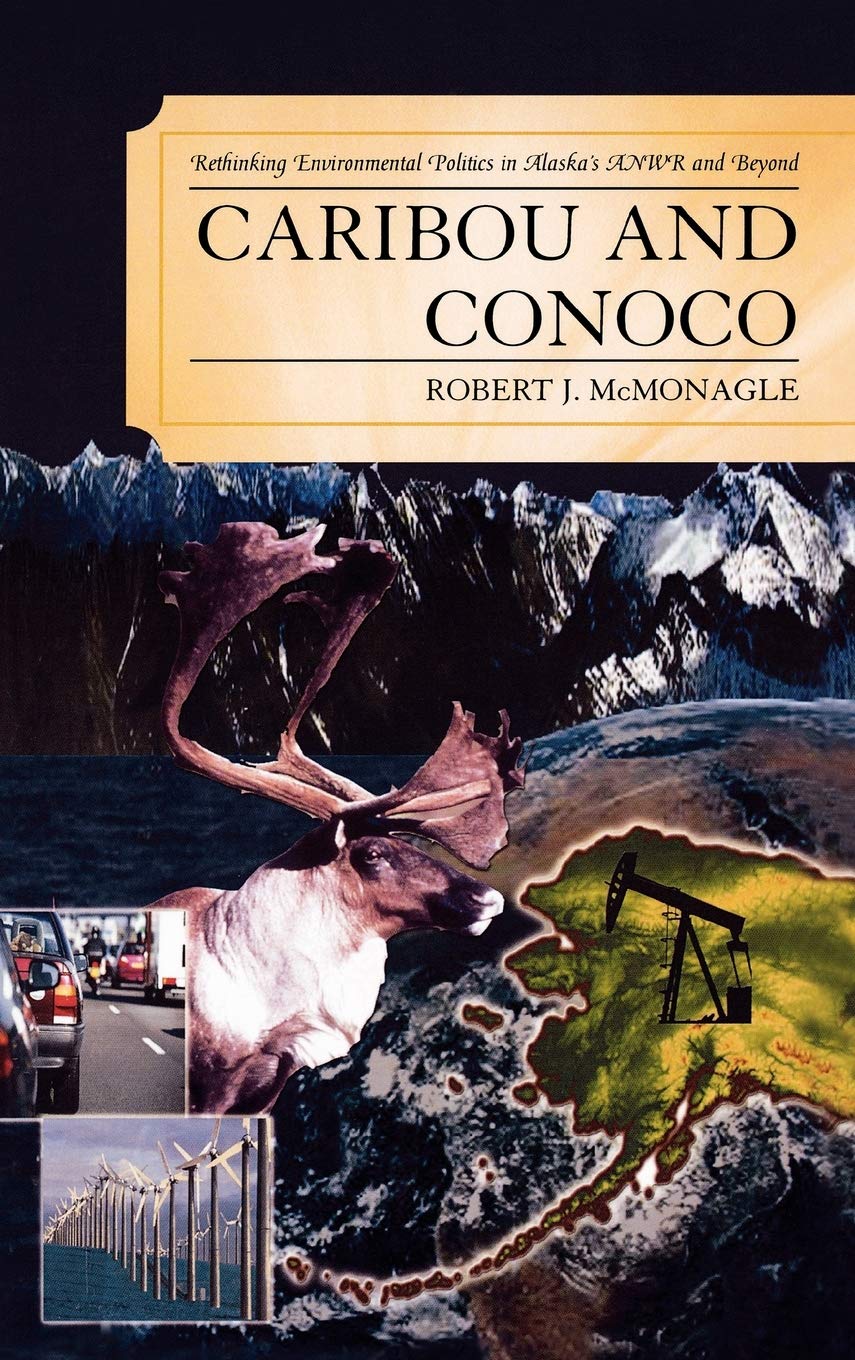
Step by step, this book shatters the myth that important environmental energy debates in the United States have been driven by forces too complex for the average American to comprehend. Although made up of a number of contributions, Robert McMonagle's book makes sense of the underlying political and societal forces driving contemporary environmental energy debates including the critical case of whether to drill for energy sources at the Arctic National Wildlife Refuge (ANWR) in Alaska.This book aims to answer two questions by examining four case studies of the policymaking process: the Arctic National Wildlife Refuge; drilling on public lands in the Western United States and in the Eastern Gulf of Mexico; along with a proposal to develop a commercial wind farm off the Massachusetts coast. First, what political and societal forces have shaped modern, contentious environmental energy debates in the US? Second, what do the findings reveal about the way in which environmental energy policies are made, about our institutions of government, and about the influences of the public versus elites in making policy? Dr. McMonagle finds that partisan voting in Congress is a critical factor in policy shifts, especially when symbols are used to define policy issues. Further, public opinion and the print media remain important factors in defining issues leading to legislative policy victories.
⚠️ WARNING (California Proposition 65):
This product may contain chemicals known to the State of California to cause cancer,
birth defects, or other reproductive harm.
For MAP (Minimum Advertised Price) violations and Intellectual Property (IP) or Trademark concerns, please contact:
support@ergodebooks.com
⚠️ California Proposition 65 Warning: Some products sold on this website may expose you to chemicals known to the State of California to cause cancer, birth defects, or other reproductive harm. For more information, visit www.P65Warnings.ca.gov.