
Title
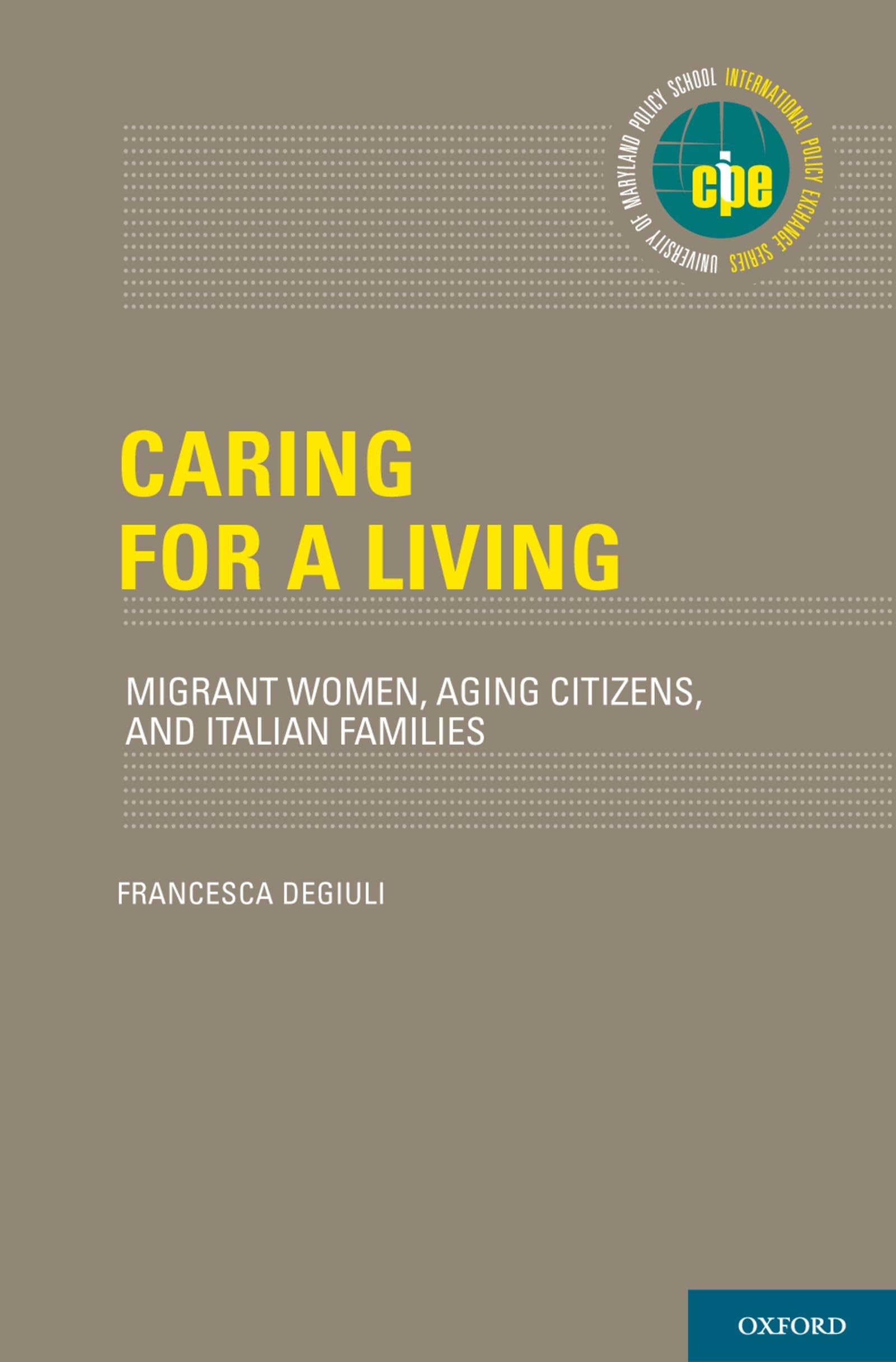
Caring for a Living: Migrant Women, Aging Citizens, and Italian Families (International Policy Exchange Series),Used
Sold by Ergodebooks, an authorized reseller.
Returns accepted within 30 days | support@ergodebooks.com
Shipping Information
- Free Standard Shipping — United States only
- Processing Time: 3–5 business days
- Estimated Delivery: 6–10 business days after dispatch
- Double-boxed, fully insured & discreetly packaged
- Tracking number sent via email once dispatched
Returns & Refund
Returns accepted within 30 days of delivery.
Damaged or Defective Item
Free return shipping + replacement or full refund
Wrong Item Received
Free return shipping + replacement or full refund
Change of Mind
Return shipping at customer's expense · 25% restocking fee applies
Payment Option

Today's world is aging at a great speed, and although increased longevity represents one of the greatest achievements of the last century, the extension of life expectancy does not necessarily correspond to an extension of healthy lives. Aging populations, particularly those with a high percentage of the oldest old, are often burdened with chronic conditions that require extended longterm care. Deciding who provides said care, and in what forms, are key problems that will soon affect a growing number of postindustrial high and midincome countries. Caring for a Living contributes to this debate by exploring the organization of longterm care in Italy, a country already in the midst of an eldercare crisis. There, the answer to this problem has taken the shape of home eldercare assistance, an arrangement whereby longterm care services are bought in the market in the form of private and individualized assistance by families sometimes with economic support provided by the State. The providers of these services, commonly known as 'badanti' (minders), are, for the most part, im/migrant women coming from different areas of the world.Caring for a Living analyzes the emergence and development of this arrangement and the role that the state, Italian families, and workers themselves play in shaping and in defining it. The author provides timely insights on: the nature of longterm care and its requirements; the specific needs of families facing this issue; the changing role of the neoliberal State; and the ways in which global political and economic processes influence and shape an apparently individually based solution to longterm care. This book is ideal for graduate courses in sociology and anthropology, specifically in courses related to gender and migration, work and women, social inequality, and immigration studies.
⚠️ WARNING (California Proposition 65):
This product may contain chemicals known to the State of California to cause cancer, birth defects, or other reproductive harm.
For more information, please visit www.P65Warnings.ca.gov.