
Title
Carnival And The Formation Of A Caribbean Transnation (New World Diasporas),Used
Sold by Ergodebooks, an authorized reseller.
Returns accepted within 30 days | support@ergodebooks.com
Shipping Information
- Free Standard Shipping — United States only
- Processing Time: 3–5 business days
- Estimated Delivery: 6–10 business days after dispatch
- Double-boxed, fully insured & discreetly packaged
- Tracking number sent via email once dispatched
Returns & Refund
Returns accepted within 30 days of delivery.
Damaged or Defective Item
Free return shipping + replacement or full refund
Wrong Item Received
Free return shipping + replacement or full refund
Change of Mind
Return shipping at customer's expense · 25% restocking fee applies
Payment Option

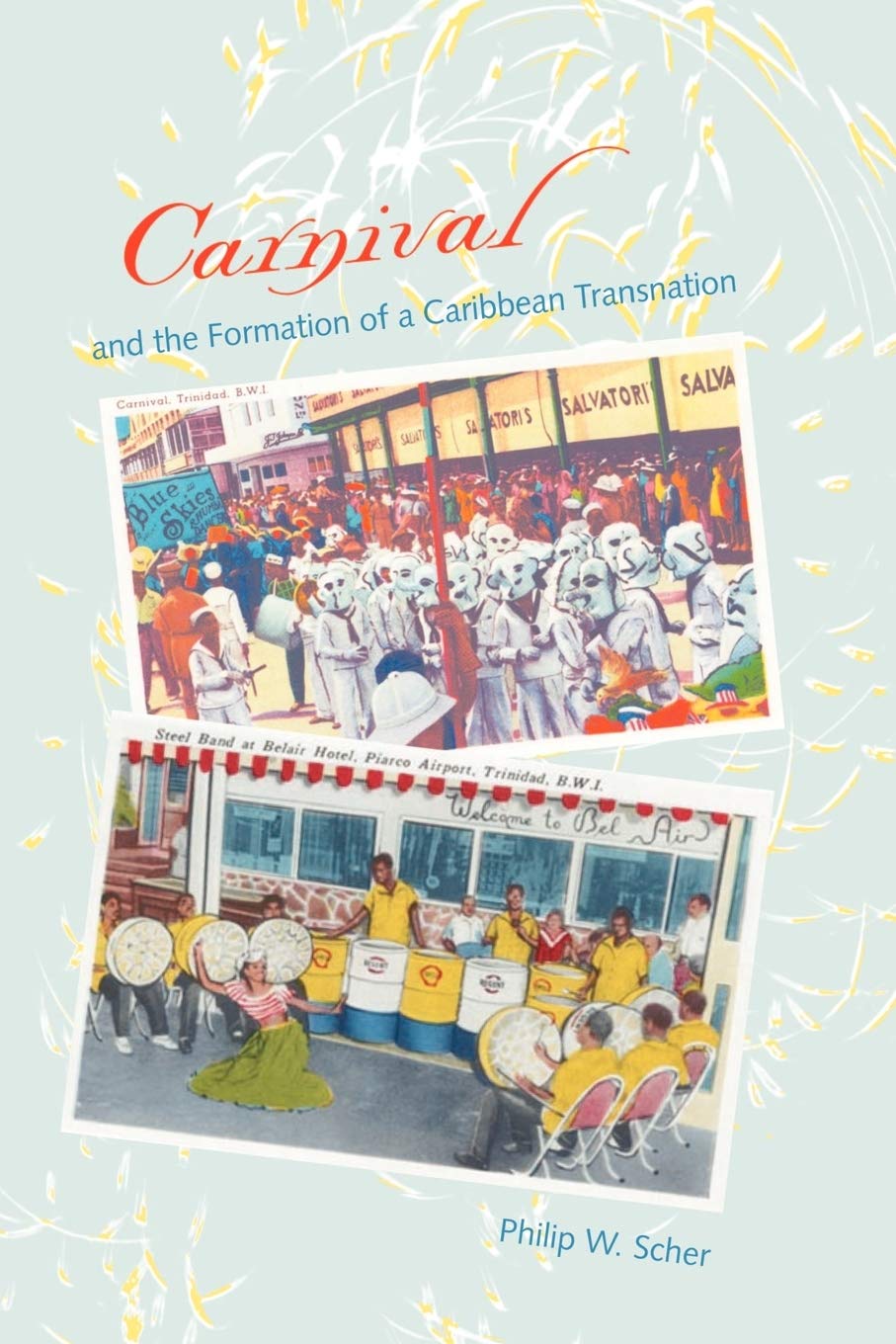
This dualsite ethnography follows the celebration of Carnival from Trinidad to North America, where immigrant TrinidadianAmericans loyally perpetuate this annual cultural event. Philip Scher uses the lens of transnationalism to explore the Carnival tradition transported from Trinidad by the immigrant Trinis living in Brooklyn, New York. As Scher moves back and forth between these two sites, he outlines aspects of the history of Carnival in Trinidad, looking in particular at the ways in which the middle class appropriated it and incorporated it into their nationalist agenda. Then, outlining the history of Carnival in Brooklyn, he explores in detail the place of Carnival in the lives of Trinis in New York by focusing attention on a 'mas' camp'the arena of creative activity, from making costumes to general 'liming.' He demonstrates how Trinis, in their attempt to import the folk traditions of their native island into their American lifestyle, have infused Carnival with a new, distinctly American meaning. Scher incorporates case studies and interviews into ideas about how the preparation and reception of cultural rituals serve as a bridge between the original culture and its displaced people, and about how this helps the immigrant population to forge its own identity in a new land. The discussion alludes to ethnic and ethnographic theories while remaining grounded and accessible, thus revealing the linkage between Trinidadian Carnival as popular culture and the people who celebrate it in Trinidad and beyond. In all of this description, a judicious use of the voices of participants and a sensitive positioning of the ethnographic presence make for an engaging and subtle analysis.
⚠️ WARNING (California Proposition 65):
This product may contain chemicals known to the State of California to cause cancer, birth defects, or other reproductive harm.
For more information, please visit www.P65Warnings.ca.gov.