
Title
Case Study Houses: 19451962,New
Sold by Ergodebooks, an authorized reseller.
Returns accepted within 30 days | support@ergodebooks.com
Shipping Information
- Free Standard Shipping — United States only
- Processing Time: 3–5 business days
- Estimated Delivery: 6–10 business days after dispatch
- Double-boxed, fully insured & discreetly packaged
- Tracking number sent via email once dispatched
Returns & Refund
Returns accepted within 30 days of delivery.
Damaged or Defective Item
Free return shipping + replacement or full refund
Wrong Item Received
Free return shipping + replacement or full refund
Change of Mind
Return shipping at customer's expense · 25% restocking fee applies
Payment Option

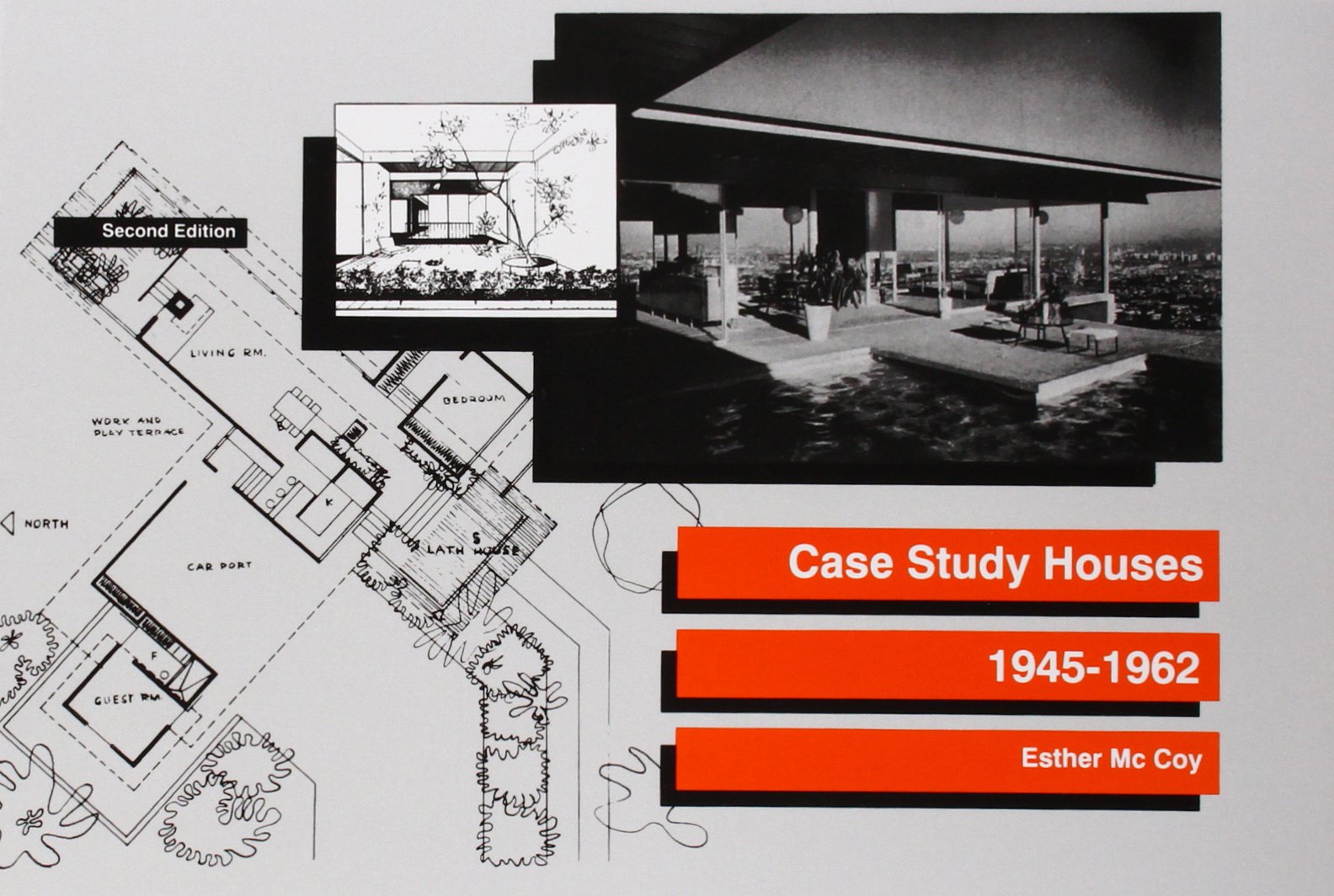
Since The Popular Museum Of Contemporary Art Exhibit Of 1989, Blueprint For Modern Living, Much Attention Has Been Paid To The Pioneering Work Done By The Architects Of The Case Study Program. Sponsored By John Entenza'S Art & Architectue Magazine, The Case Study Houses Program Brought New Thinking, Techniques, And Materials To Postwar California House Building. Contains The Work Of Charles Eames, Eero Saarinen, Craig Ellwood, Pierre Koenig, Richard Neutra, William Wurster, And Others.
⚠️ WARNING (California Proposition 65):
This product may contain chemicals known to the State of California to cause cancer, birth defects, or other reproductive harm.
For more information, please visit www.P65Warnings.ca.gov.
- Q: How many pages does the book have? A: The book has two hundred seventeen pages. This provides ample content for readers interested in modern architecture.
- Q: What are the dimensions of 'Case Study Houses: 1945-1962'? A: The dimensions are ten point five one inches in length, seven point two five inches in height, and zero point seven five inches in width. This size makes it easy to handle and store.
- Q: What binding type is used for this book? A: The book is paperback bound. This makes it lightweight and flexible for easy reading.
- Q: Who is the author of this book? A: The author is Esther McCoy. She is known for her expertise in architecture and design.
- Q: What is the main theme of the book? A: The book covers mid-century modern architecture. It focuses on the innovative Case Study Program and its impact on residential design.
- Q: Is this book suitable for beginners in architecture? A: Yes, this book is suitable for beginners. It provides a comprehensive overview of influential architects and their work during a pivotal time.
- Q: What is the recommended reading age for this book? A: There is no specific age restriction for this book. It can be appreciated by anyone interested in architecture, regardless of age.
- Q: How should I store this book to keep it in good condition? A: Store the book in a cool, dry place. Avoid exposure to direct sunlight to preserve the cover and pages.
- Q: Can I clean the book if it gets dirty? A: Yes, you can clean the book gently. Use a soft, dry cloth to wipe the cover and avoid using water.
- Q: What should I do if the book arrives damaged? A: Contact the seller immediately to report the damage. Most sellers will offer a replacement or refund.
- Q: Is this book a good choice for a gift? A: Yes, this book makes an excellent gift for architecture enthusiasts. Its rich content and beautiful illustrations appeal to a wide audience.
- Q: How do I know if this book is right for my interests? A: If you are interested in mid-century architecture and influential architects, this book is a great fit. It explores key figures and their contributions.
- Q: Does the book include illustrations or photographs? A: Yes, the book includes various illustrations and photographs. These visuals enhance the understanding of the architectural concepts discussed.
- Q: What other books are similar to this one? A: Books on modern architecture or biographies of famous architects are similar. Look for titles that focus on design movements in the twentieth century.
- Q: What if I have questions after reading the book? A: Consider joining online forums or local architecture groups. Engaging with others can deepen your understanding and appreciation of the subject.