
Title
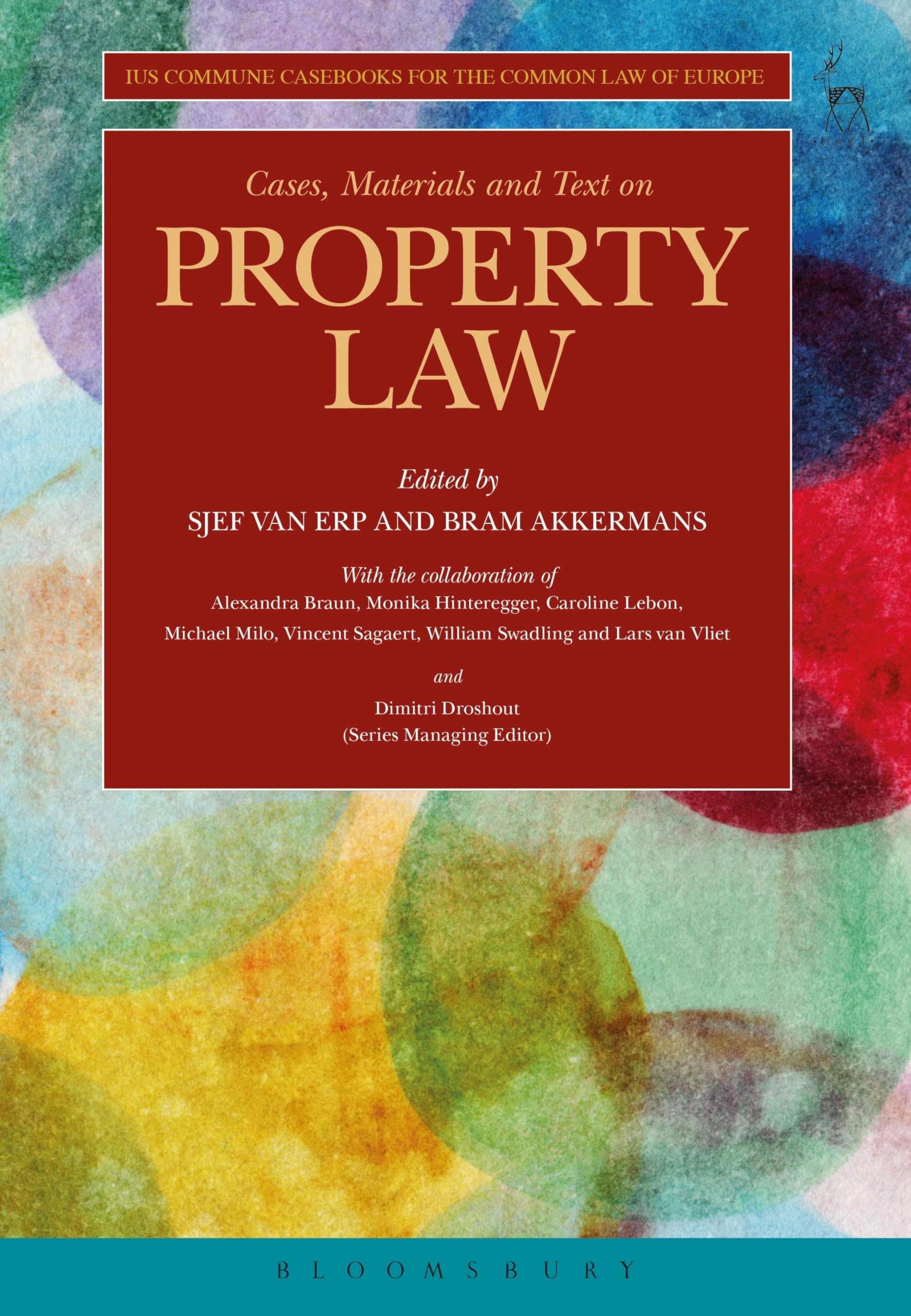
Cases, Materials And Text On Property Law (Ius Commune Casebooks For The Common Law Of Europe)
Sold by Ergodebooks, an authorized reseller.
Returns accepted within 30 days | support@ergodebooks.com
Shipping Information
- Free Standard Shipping — United States only
- Processing Time: 3–5 business days
- Estimated Delivery: 6–10 business days after dispatch
- Double-boxed, fully insured & discreetly packaged
- Tracking number sent via email once dispatched
Returns & Refund
Returns accepted within 30 days of delivery.
Damaged or Defective Item
Free return shipping + replacement or full refund
Wrong Item Received
Free return shipping + replacement or full refund
Change of Mind
Return shipping at customer's expense · 25% restocking fee applies
Payment Option

This Casebook Presents A Deep Comparative Analysis Of Property Law Systems In Europe (Ie The Law Of Immovables, Movables And Claims), Offering Signposts And Stepping Stones For The Reader Wishing To Explore This Fascinating Area. The Subject Matter Is Explained With Careful Attention Given To Its History, Foundations, Thoughtpatterns, Underlying Principles And Basic Concepts.The Casebook Focuses On Uncovering Differences And Similarities Between Europe'S Major Legal Systems: French, German, Dutch And English Law Are Examined, While Austrian And Belgian Law Are Also Touched Upon. The Book Combines Excerpts From Primary Source Materials (Case Law And Legislation) And From Doctrine And Soft Law. In Doing So It Presents A Faithful Picture Of The Systems Concerned.Separate Chapters Deal With The Various Types Of Property Rights, Their Creation, Transfer And Destruction, With Security Rights (Such As Mortgages, Pledges, Retention Of Title) As Well As With Harmonising And Unifying Efforts At The Eu And Global Level.Through The Functional Approach Taken By The Ius Commune Casebooks This Volume Clearly Demonstrates That Traditional Comparative Insights No Longer Hold. The Law Of Property Used To Be Regarded As A Product Of Historical Developments And Political Ideology, Which Were Considered To Be Almost Set In Stone And Assumed To Render Any Substantial Form Of Harmonisation Or Approximation Very Unlikely. Even Experienced Comparative Lawyers Considered The Divide Between Common Law And Civil Law To Be So Deep That No Common Ground So It Was Thought Could Be Found. However Economic Integration, In Particular Integration Of Financial Markets And Freedom Of Establishment, Has Led To The Integration Of Particular Areas Of Property Law Such As Mortgage Law And Enforceable Security Instruments (Eg Retention Of Title). This Pressure Towards Integration Has Led Comparative Lawyers To Refocus Their Interest From Contract, Tort And Unjustified Enrichment To Property Law And Delve Beneath Its Surface.This Book Reveals That Today Property Law Systems Are Closer To One Another Than Previously Assumed, That Common Ground Can Be Found And That Differences Can Be Analysed In A New Light To Enable Comparison And Further The Development Of Property Law In Europe.
⚠️ WARNING (California Proposition 65):
This product may contain chemicals known to the State of California to cause cancer, birth defects, or other reproductive harm.
For more information, please visit www.P65Warnings.ca.gov.
- Q: How many pages does this book have? A: This book contains one thousand two hundred fifty-six pages. It provides a comprehensive look at property law across various European legal systems.
- Q: What is the size of the book? A: The book measures six point seventy-five inches by one point ninety-three inches by nine point fifty-eight inches. This size makes it convenient for reading and referencing.
- Q: What type of binding does this book have? A: This book is available in paperback binding. This makes it lightweight and easy to handle for extended reading.
- Q: Who is the author of this book? A: The author of the book is Sjef van Erp. He offers expertise in property law, contributing valuable insights into comparative legal systems.
- Q: What legal systems are compared in this book? A: The book compares French, German, Dutch, and English law. It also touches upon Austrian and Belgian legal systems.
- Q: Is this book suitable for law students? A: Yes, this book is suitable for law students. It provides essential knowledge and comparative analysis of property law, beneficial for both undergraduates and postgraduates.
- Q: Can this book be used for professional legal practice? A: Yes, legal professionals can use this book for reference. Its detailed analysis of property law systems aids in understanding cross-border legal issues.
- Q: How should I store this book to keep it in good condition? A: Store this book in a cool, dry place away from direct sunlight. This helps to preserve the quality of the paperback and prevents fading.
- Q: How do I care for this book? A: To care for this book, avoid bending the spine and keep it away from moisture. This will ensure longevity and maintain its readability.
- Q: What if my book arrives damaged? A: If your book arrives damaged, you should contact customer support for a return or exchange. Most retailers have policies in place to handle such issues.
- Q: Is there a warranty for this book? A: No, books typically do not come with a warranty. However, most sellers offer return policies if the book is defective.
- Q: What is the primary focus of this book? A: The primary focus of this book is the comparative analysis of property law systems in Europe. It emphasizes the evolution and similarities among different legal frameworks.
- Q: Does this book include primary source materials? A: Yes, the book includes excerpts from primary source materials such as case law and legislation. This enhances its academic rigor and practical relevance.
- Q: Is this book beneficial for comparative lawyers? A: Yes, this book is particularly beneficial for comparative lawyers. It challenges traditional views and provides new insights into property law across Europe.
- Q: Are there chapters on security rights included? A: Yes, separate chapters address various types of property rights, including security rights like mortgages and pledges. This comprehensive coverage is essential for understanding property law.