
Title
Cataclysm 90 BC: The forgotten war that almost destroyed Rome,Used
Sold by Ergodebooks, an authorized reseller.
Returns accepted within 30 days | support@ergodebooks.com
Shipping Information
- Free Standard Shipping — United States only
- Processing Time: 3–5 business days
- Estimated Delivery: 6–10 business days after dispatch
- Double-boxed, fully insured & discreetly packaged
- Tracking number sent via email once dispatched
Returns & Refund
Returns accepted within 30 days of delivery.
Damaged or Defective Item
Free return shipping + replacement or full refund
Wrong Item Received
Free return shipping + replacement or full refund
Change of Mind
Return shipping at customer's expense · 25% restocking fee applies
Payment Option

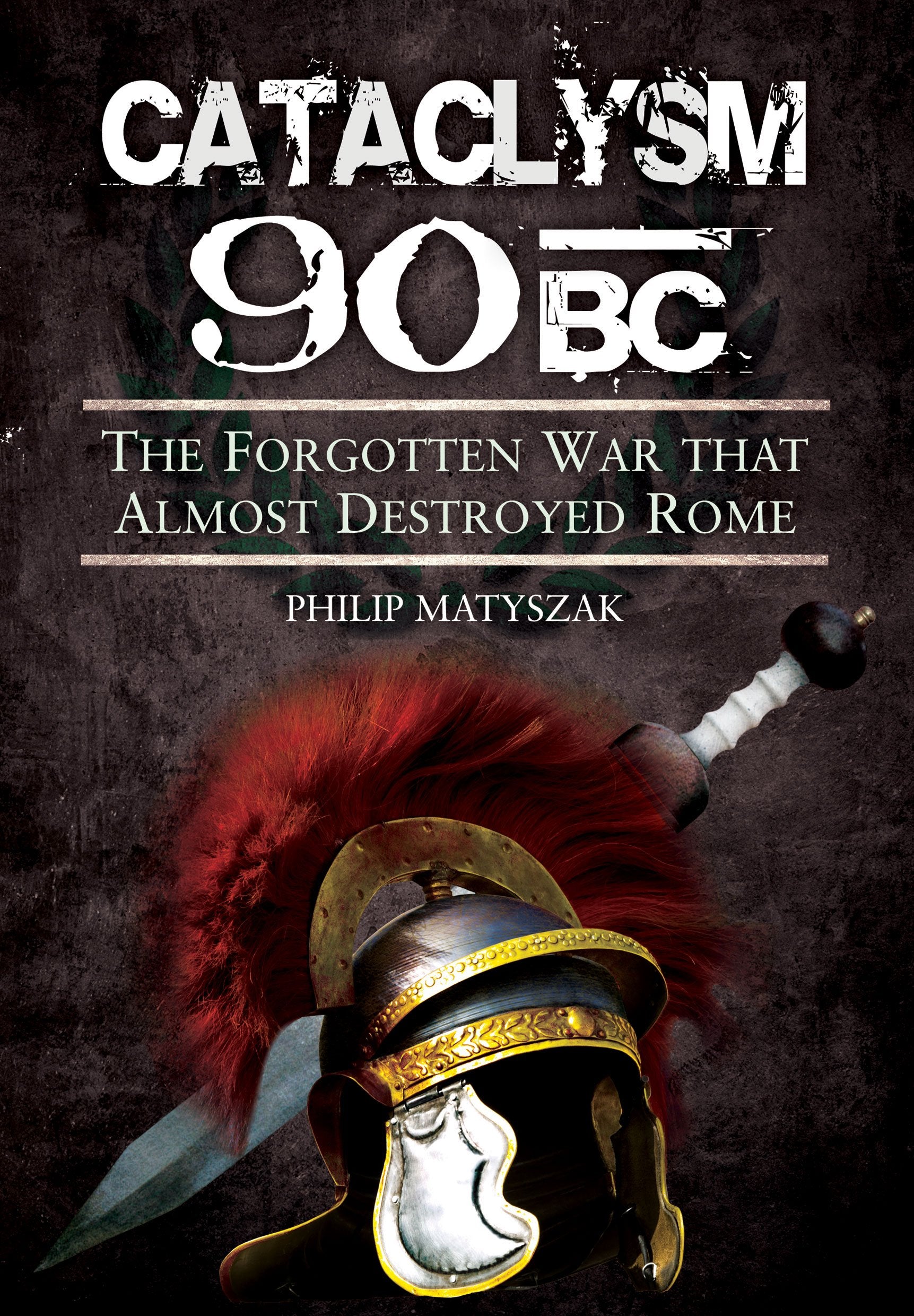
We are accustomed to think of the late Republic as a period in which Rome enjoyed almost uninterrupted military success against foreign enemies. Yet at the start of the first century BC, Rome, outnumbered and outgeneraled, faced a hostile army less than a week's march from the Capitol. It is probable that only a swift surrender prevented the city from being attacked and sacked. Before that point, three Roman consuls had died in battle, and two Roman armies had been soundly defeated not in some foreign field, but in the heartland of Italy.So who were this enemy who so comprehensively knocked Rome to its knees? What army could successfully challenge the legions which had been undefeated from Spain to the Euphrates? And why is that success almost unknown today?These questions are answered in this book, a military and political history of the Social War of 9088BC. This tells the story of the revolt of Rome's Italian allies (socii in Latin hence the name of the war). Because these Italian allies had the arms, training and military systems of the Roman army which they usually fought alongside, all Rome's usual military advantages were nullified. This brought the war down to a clash of generals, with the Roman rivals Gaius Marius and Cornelius Sulla spending almost as much time in political intrigue as combat with the enemy. The Italian leaders had to manage an equally fractious coalition of peoples. Some tribes sought negotiation with Rome, and others would settle for nothing less than the total extermination of the city and its people.The interplay of personalities (the young Cicero, Cato, and Pompey were also protagonists); highstakes politics and fullscale warfare combine with assassination; personal sacrifice and desperate measures (such as raising an army of freed slaves) to make for a taut, fastpaced tale.
⚠️ WARNING (California Proposition 65):
This product may contain chemicals known to the State of California to cause cancer, birth defects, or other reproductive harm.
For more information, please visit www.P65Warnings.ca.gov.