
Title
Catholics and AntiCatholicism in Choson Korea (Hawaii Studies on Korea),Used
Sold by Ergodebooks, an authorized reseller.
Returns accepted within 30 days | support@ergodebooks.com
Shipping Information
- Free Standard Shipping — United States only
- Processing Time: 3–5 business days
- Estimated Delivery: 6–10 business days after dispatch
- Double-boxed, fully insured & discreetly packaged
- Tracking number sent via email once dispatched
Returns & Refund
Returns accepted within 30 days of delivery.
Damaged or Defective Item
Free return shipping + replacement or full refund
Wrong Item Received
Free return shipping + replacement or full refund
Change of Mind
Return shipping at customer's expense · 25% restocking fee applies
Payment Option

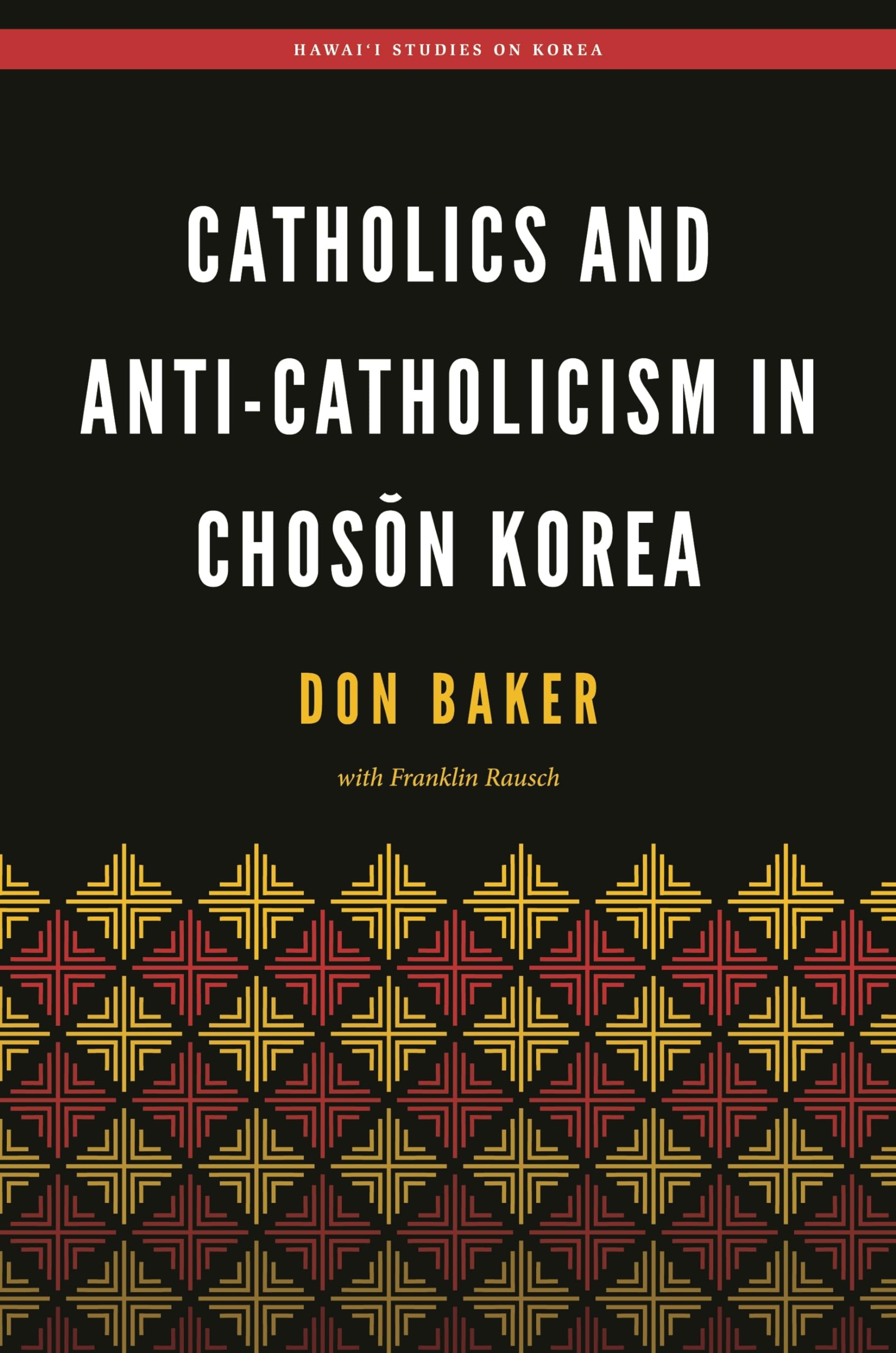
Koreas first significant encounter with the West occurred in the last quarter of the eighteenth century when a Korean Catholic community emerged on the peninsula. Decades of persecution followed, resulting in the deaths of thousands of Korean Catholics. Don Baker provides an invaluable analysis of lateChoson (13921897) thought, politics, and society to help readers understand the response of Confucians to Catholicism and of Korean Catholics to years of violent harassment. His analysis is informed by two remarkable documents expertly translated with the assistance of Franklin Rausch and annotated here for the first time: an antiCatholic essay written in the 1780s by Confucian scholar Ahn Chongbok (17121791) and a firsthand account of the 1801 antiCatholic persecution by one of its last victims, the religious leader Hwang Sayong (17751801).Confucian assumptions about Catholicism are revealed in Ahns essay, Conversation on Catholicism. The work is based on the scholars exchanges with his soninlaw, who joined the small group of Catholics in the 1780s. Ahn argues that Catholicism is immoral because it puts more importance on the salvation of ones soul than on what is best for ones family or community. Conspicuously absent from his Conversation is the reason behind the conversions of his soninlaw and a few other young Confucian intellectuals. Baker examines numerous Confucian texts of the time to argue that, in the late eighteenth century, Korean Confucians were tormented by a growing concern over human moral frailty. Some among them came to view Catholicism as a way to overcome their moral weakness, become virtuous, and, in the process, gain eternal life. These anxieties are echoed in Hwangs Silk Letter, in which he details for the bishop in Beijing his persecution and the decade preceding it. He explains why Koreans joined (and some abandoned) the Catholic faith and their devotion to the new religion in the face of torture and execution. Together the two texts reveal much about not only Korean beliefs and values of two centuries ago, but also how Koreans viewed their country and their king as well as China and its culture.
⚠️ WARNING (California Proposition 65):
This product may contain chemicals known to the State of California to cause cancer, birth defects, or other reproductive harm.
For more information, please visit www.P65Warnings.ca.gov.