
Title
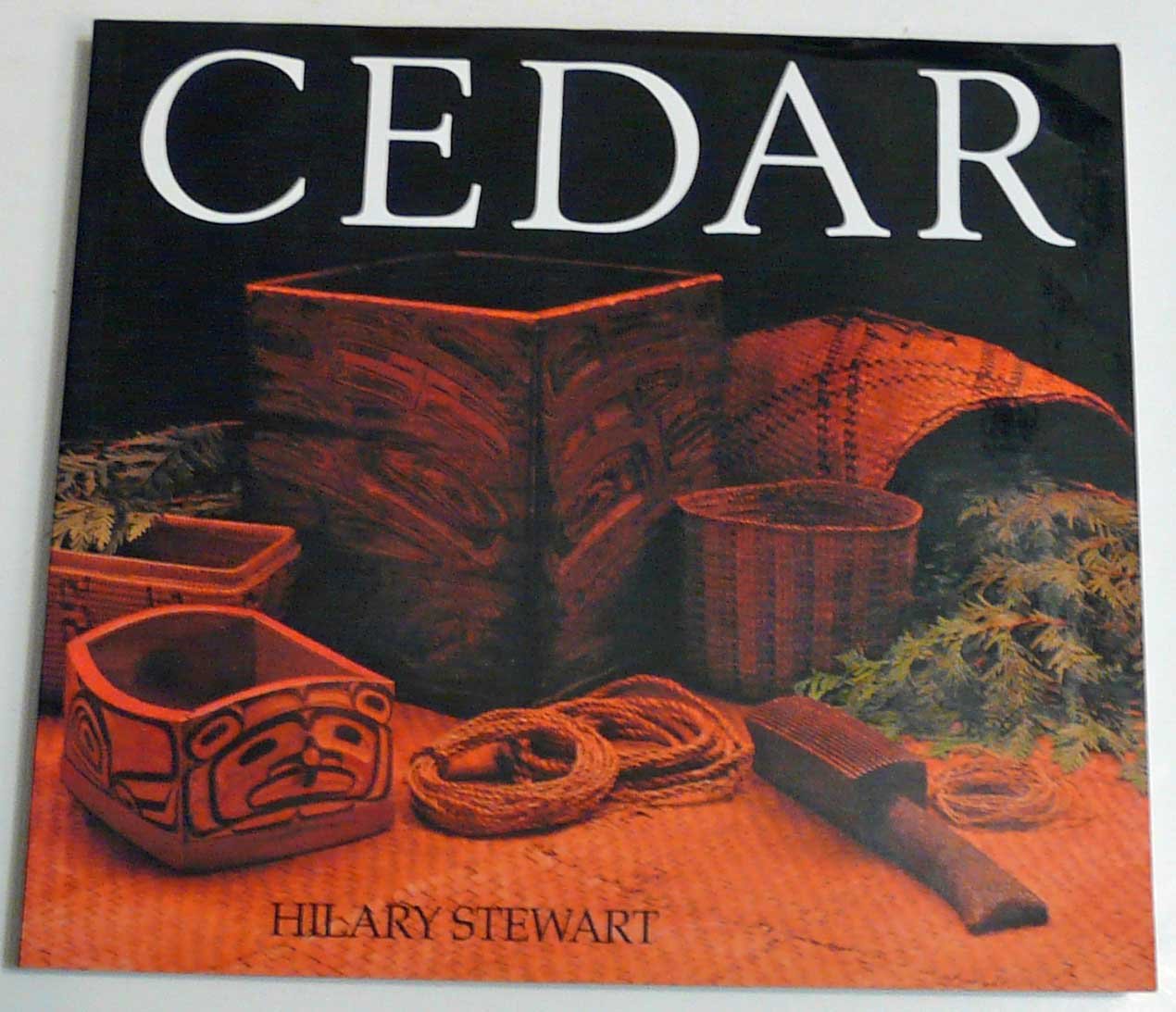
Cedar: Tree of Life to the Northwest Coast Indians,New
Sold by Ergodebooks, an authorized reseller.
Returns accepted within 30 days | support@ergodebooks.com
Shipping Information
- Free Standard Shipping — United States only
- Processing Time: 3–5 business days
- Estimated Delivery: 6–10 business days after dispatch
- Double-boxed, fully insured & discreetly packaged
- Tracking number sent via email once dispatched
Returns & Refund
Returns accepted within 30 days of delivery.
Damaged or Defective Item
Free return shipping + replacement or full refund
Wrong Item Received
Free return shipping + replacement or full refund
Change of Mind
Return shipping at customer's expense · 25% restocking fee applies
Payment Option

From the giant cedar of the rainforest came a wealth of raw materials vital to the way of life, art and culture of the early First Nations people of the Northwest Coast.All parts of the cedar tree had many uses. From the wood, skilled men made oceangoing canoes, massive postand beam houses, monumental carved poles that declared history, rights and lineage, and powerful dance masks. Women dextrously wove the inner bark into mats and baskets, plied it into ocordage and netting or processed it into soft, warn, waterrepellent clothing. They also made the strong withes into heavyduty rope and wove the roots into watertight baskets.Hilary Stewart explains, through her vivid descriptions, 550 detailed drawings and 50 photographs, the tools and techniques used, as well as the superbly crafted objects and their usesall in the context of daily and ceremonial life. Anecdotes, oral history and the accounts of early explorers, traders, missionaries and native elders highlight the text.
⚠️ WARNING (California Proposition 65):
This product may contain chemicals known to the State of California to cause cancer, birth defects, or other reproductive harm.
For more information, please visit www.P65Warnings.ca.gov.
- Q: What is the size of the book? A: The book measures nine point zero two inches in length, ten point zero eight inches in width, and zero point five nine inches in height.
- Q: How many pages does the book have? A: The book contains one hundred ninety-two pages, providing an in-depth exploration of the cedar tree's significance.
- Q: What type of binding does this book use? A: The book features a paperback binding, making it lightweight and easy to handle for readers.
- Q: Who is the author of this book? A: The author is Hilary Stewart, known for her detailed explorations of First Nations culture.
- Q: What is the genre of this book? A: The book falls under the category of Criticism, focusing on cultural and historical analysis.
- Q: Is this book suitable for children? A: Yes, the book is suitable for children with an interest in indigenous cultures and history.
- Q: What is the main theme of the book? A: The main theme revolves around the significance of the cedar tree in the lives of Northwest Coast Indians.
- Q: What kind of illustrations are included? A: The book includes five hundred fifty detailed drawings and fifty photographs illustrating the uses of cedar.
- Q: Is there historical context in the book? A: Yes, the book contains anecdotes, oral histories, and accounts from early explorers and native elders.
- Q: How is the book organized? A: The book is organized to cover both daily and ceremonial life, highlighting various tools and techniques.
- Q: What materials are discussed in the book? A: The book discusses various materials derived from the cedar tree, including wood, bark, and roots.
- Q: What are the uses of cedar mentioned in the book? A: The book details uses such as making canoes, clothing, baskets, and ceremonial masks.
- Q: Is there a glossary or index in the book? A: No specific mention of a glossary or index is provided in the book's description.
- Q: How do I care for this book? A: To keep the book in good condition, store it in a cool, dry place away from direct sunlight.
- Q: What if the book arrives damaged? A: If the book arrives damaged, contact customer support for return or replacement options.
- Q: Can I gift this book to someone interested in indigenous culture? A: Yes, this book makes an excellent gift for anyone interested in indigenous culture and history.