If you have any questions, you are always welcome to contact us. We'll get back to you as soon as possible, withing 24 hours on weekdays.
Customer service
All questions about your order, return and delivery must be sent to our customer service team by e-mail at yourstore@yourdomain.com
Sale & Press
If you are interested in selling our products, need more information about our brand or wish to make a collaboration, please contact us at press@yourdomain.com
Help
If you have any questions, you are always welcome to contact us. We'll get back to you as soon as possible, withing 24 hours on weekdays.
Customer service
All questions about your order, return and delivery must be sent to our customer service team by e-mail at yourstore@yourdomain.com
Sale & Press
If you are interested in selling our products, need more information about our brand or wish to make a collaboration, please contact us at press@yourdomain.com
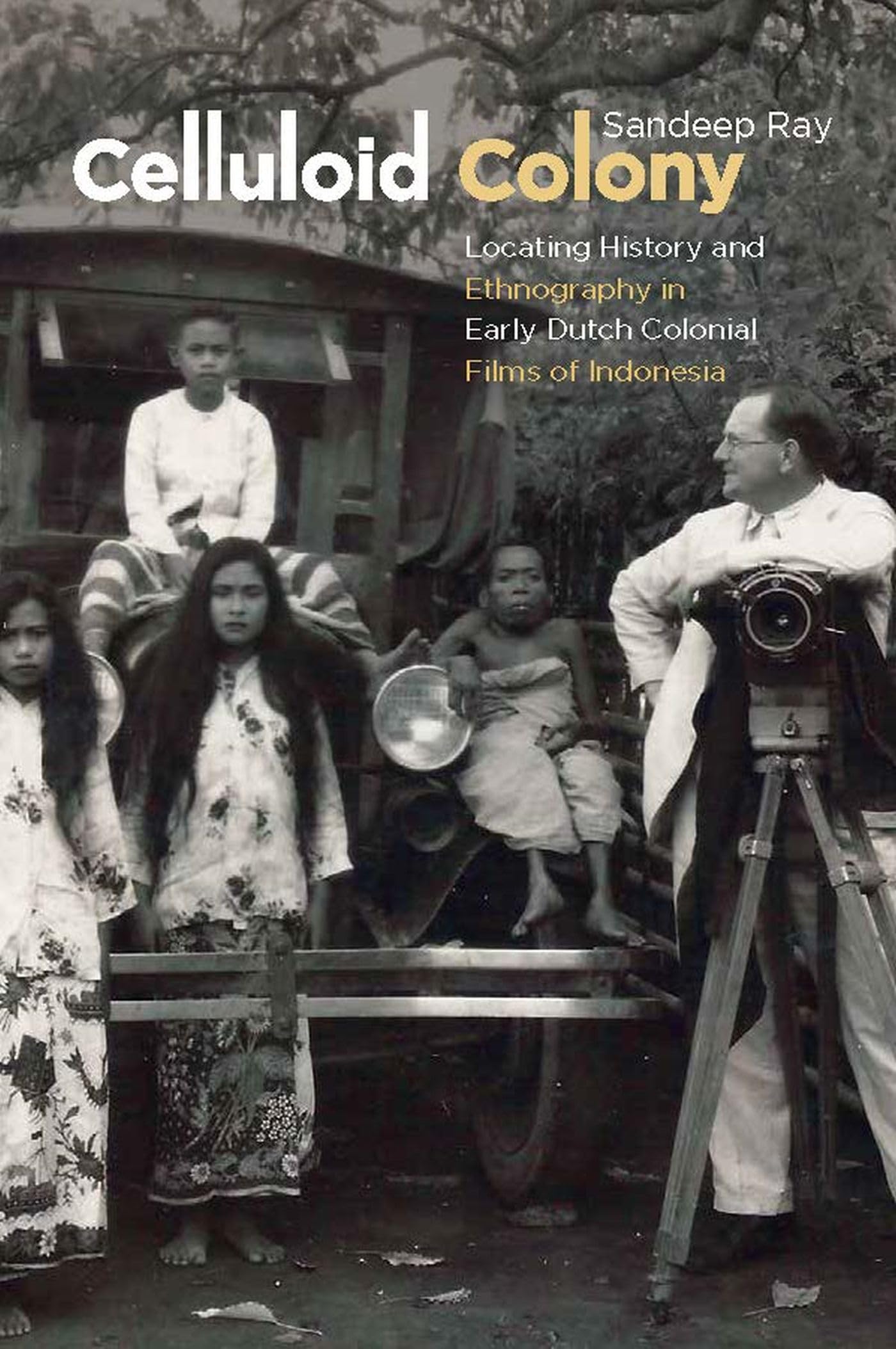
How should colonial film archives be read? How can historians and ethnographers use colonial film as a complement to conventional written sources? Sandeep Ray uses the case of Dutch colonial film in Indonesia to show how a critically, historically, and cinematically informed reading of colonial film in the archive can be a powerful and unexpected sourceone that is more accessible than ever today because of digitization. The language of film and the conventions and forms of nonfiction film were still in formation in the first two decades of the twentieth century. Colonialism, Ray shows, was one of the drivers of this development, as the picturing of the native other in film was seen as an important tool to build support for missionary and colonial efforts. While social histories of photography in nonEuropean contexts have been an area of great interest in recent years; Celluloid Colony for the first time brings moving images into the same scope of study.
⚠️ WARNING (California Proposition 65):
This product may contain chemicals known to the State of California to cause cancer,
birth defects, or other reproductive harm.
For MAP (Minimum Advertised Price) violations and Intellectual Property (IP) or Trademark concerns, please contact:
support@ergodebooks.com
⚠️ California Proposition 65 Warning: Some products sold on this website may expose you to chemicals known to the State of California to cause cancer, birth defects, or other reproductive harm. For more information, visit www.P65Warnings.ca.gov.