
Title
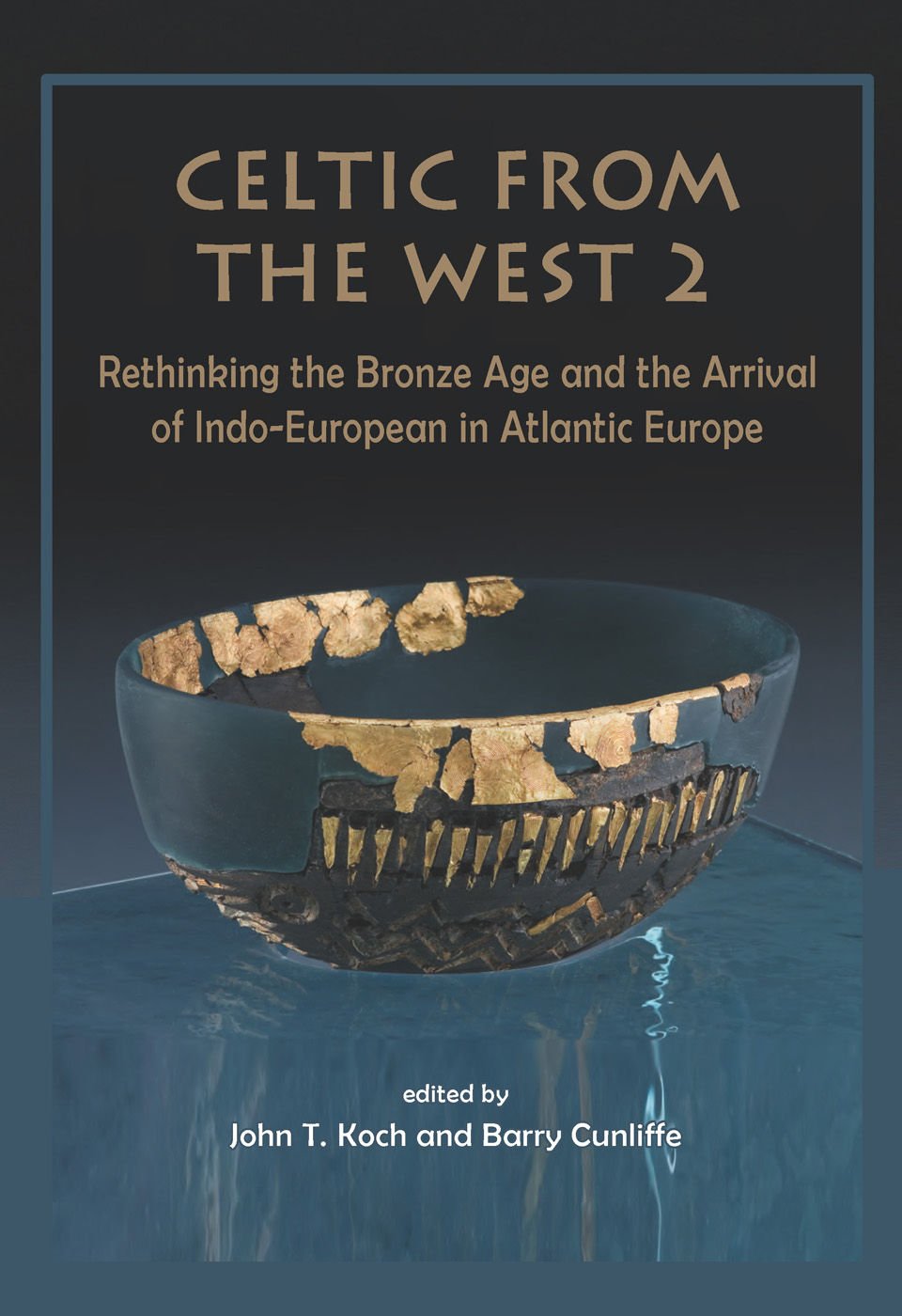
Celtic from the West 2: Rethinking the Bronze Age and the Arrival of IndoEuropean in Atlantic Europe (Celtic Studies Publicatio,Used
Sold by Ergodebooks, an authorized reseller.
Returns accepted within 30 days | support@ergodebooks.com
Shipping Information
- Free Standard Shipping — United States only
- Processing Time: 3–5 business days
- Estimated Delivery: 6–10 business days after dispatch
- Double-boxed, fully insured & discreetly packaged
- Tracking number sent via email once dispatched
Returns & Refund
Returns accepted within 30 days of delivery.
Damaged or Defective Item
Free return shipping + replacement or full refund
Wrong Item Received
Free return shipping + replacement or full refund
Change of Mind
Return shipping at customer's expense · 25% restocking fee applies
Payment Option

Europes Atlantic faade has long been treated as marginal to the formation of the European Bronze Age and the puzzle of the origin and early spread of the IndoEuropean languages. Until recently the idea that Atlantic Europe was a wholly preIndoEuropean world throughout the Bronze Age remained plausible. Rapidly expanding evidence for the later prehistory and the preRoman languages of the West increasingly exclude that possibility. It is therefore time to refocus on a narrowing list of suspects as possible archaeological proxies for the arrival of this great language family and emergence of its Celtic branch. This reconsideration inevitably throws penetrating new light on the formation of later prehistoric Atlantic Europe and the implications of new evidence for interregional connections.Celtic from the West 2 continues the series launched with Celtic from the West: Alternative Perspectives from Archaeology, Genetics, Language and Literature (2010; 2012) in exploring the new idea that the Celtic languages emerged in the Atlantic Zone during the Bronze Age. This Celtic Atlantic hypothesis represents a major departure from the longestablished, but increasingly problematical scenario in which the Ancient Celtic languages and peoples called Keltoi (Celts) are closely bound up with the archaeology of the Hallstatt and La Tne cultures of Iron Age westcentral Europe.Table of ContentsPrologue: Ha C1a ? PC (The Earliest Hallstatt Iron Age cannot equal ProtoCeltic) (John T. Koch)1. The IndoEuropeanization of Atlantic Europe (J. P. Mallory)2. The Arrival of the Beaker Set in Britain and Ireland (A. P. Fitzpatrick)3. Beakers into Bronze: Tracing connections between Western Iberia and the British Isles 2800800 BC (Catriona Gibson)4. Out of the Flow and Ebb of the European Bronze Age: Heroes, Tartessos, and Celtic (John T. Koch)5. Westward Ho? SwordBearers and All the Rest of it . . . (Dirk Brandherm)6. DeadSea Connections: A Bronze Age and Iron Age Ritual Site on the Isle of Thanet (Jacqueline I. McKinley, Jrn Schuster, & Andrew Millard)7. Models of Language Spread and Language Development in Prehistoric Europe (Dagmar S. Wodtko)8. Early Celtic in the West: The IndoEuropean Context (Colin Renfrew)Epilogue: The CeltsWhere Next (Barry Cunliffe)
⚠️ WARNING (California Proposition 65):
This product may contain chemicals known to the State of California to cause cancer, birth defects, or other reproductive harm.
For more information, please visit www.P65Warnings.ca.gov.