
Title
Ceremonial Culture in PreModern Europe,Used
Sold by Ergodebooks, an authorized reseller.
Returns accepted within 30 days | support@ergodebooks.com
Shipping Information
- Free Standard Shipping — United States only
- Processing Time: 3–5 business days
- Estimated Delivery: 6–10 business days after dispatch
- Double-boxed, fully insured & discreetly packaged
- Tracking number sent via email once dispatched
Returns & Refund
Returns accepted within 30 days of delivery.
Damaged or Defective Item
Free return shipping + replacement or full refund
Wrong Item Received
Free return shipping + replacement or full refund
Change of Mind
Return shipping at customer's expense · 25% restocking fee applies
Payment Option

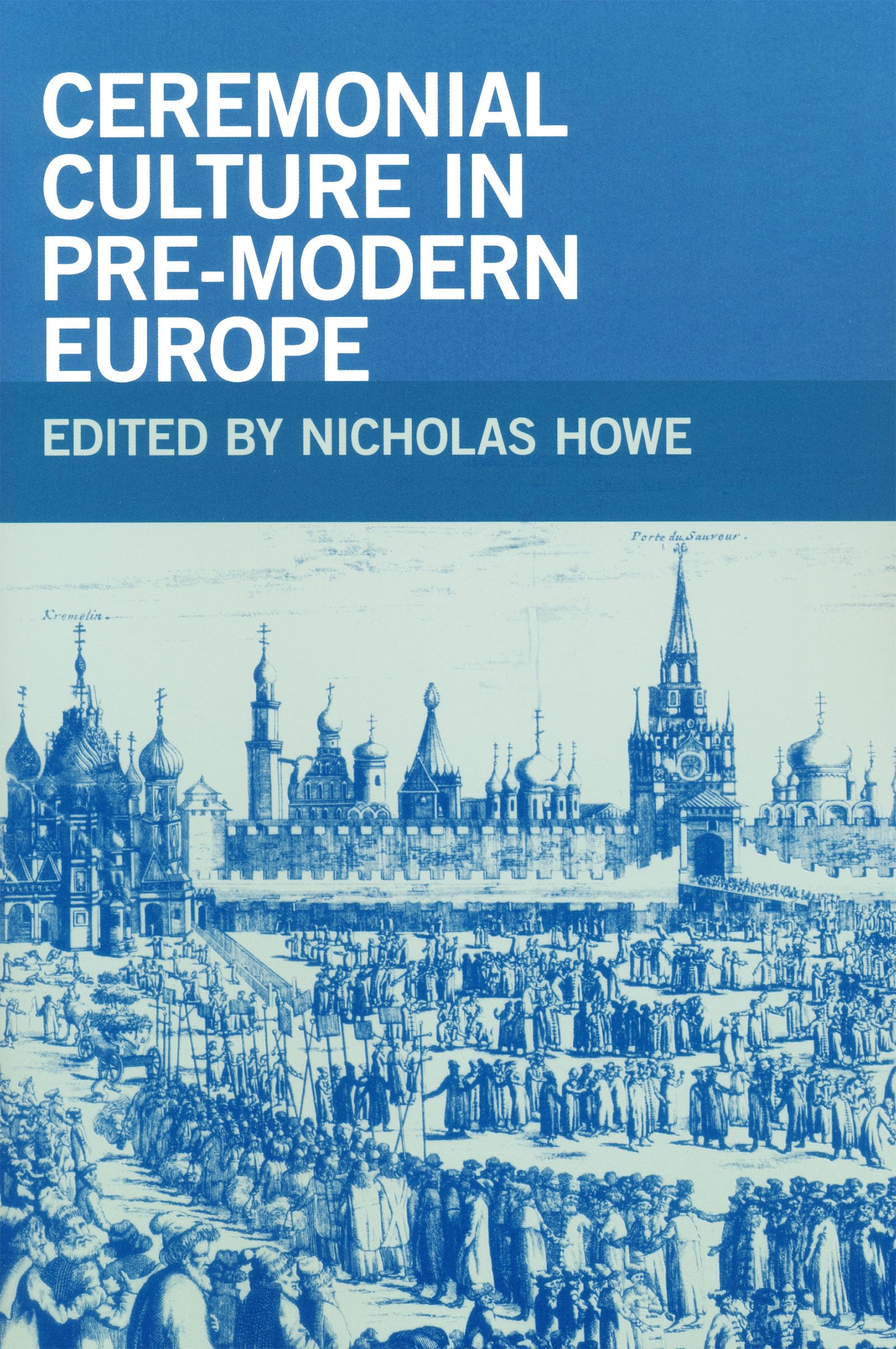
By enabling the spiritual or ineffable to register as visible and palpable, ceremonies perform the essential cultural work of ensuring continuity of belief and practice across generations. In the process, each ceremony becomes a visual drama with highly scripted acts, movements, and rhythms.Unlike anthropologists in the field, scholars of the medieval and early modern world cannot witness ceremoniesthe processions, dramas, rituals, and liturgiesand their choreography, or how they engaged with time and space. Denied the possibility of personal observation, how are historians to understand ceremonies such as a Catholic liturgical procession moving through a medieval town or the triumphal entry of a Renaissance ruler into a subjected city? Fortunately, considerable documentary, visual, and material evidence survives from Europe to help scholars frame necessary questions about premodern ceremonies.The essayists in this volume identify and recover the excitement and dynamism that characterized ceremonial culture in premodern Europe. Each turns to key issues: the relation between public and private space, the development of fullyrealized dramas and rituals from earlier forms, and the semiotic code that ceremonies manifested to their audiences. Their subjects include the Adventus procession at Chartres; Epiphany and Palm Sunday rituals in medieval Moscow; the staged entry of the future Emperor Charles V into Bruges in 1515; and ceremonies in Italian Renaissance cities interpreted through the lens of Renaissance optical theory. What emerges from each essay is a deeper understanding that any ceremony is, finally, an attempt to close the divide between abstract and literal, ideal and actual.
⚠️ WARNING (California Proposition 65):
This product may contain chemicals known to the State of California to cause cancer, birth defects, or other reproductive harm.
For more information, please visit www.P65Warnings.ca.gov.