
Title
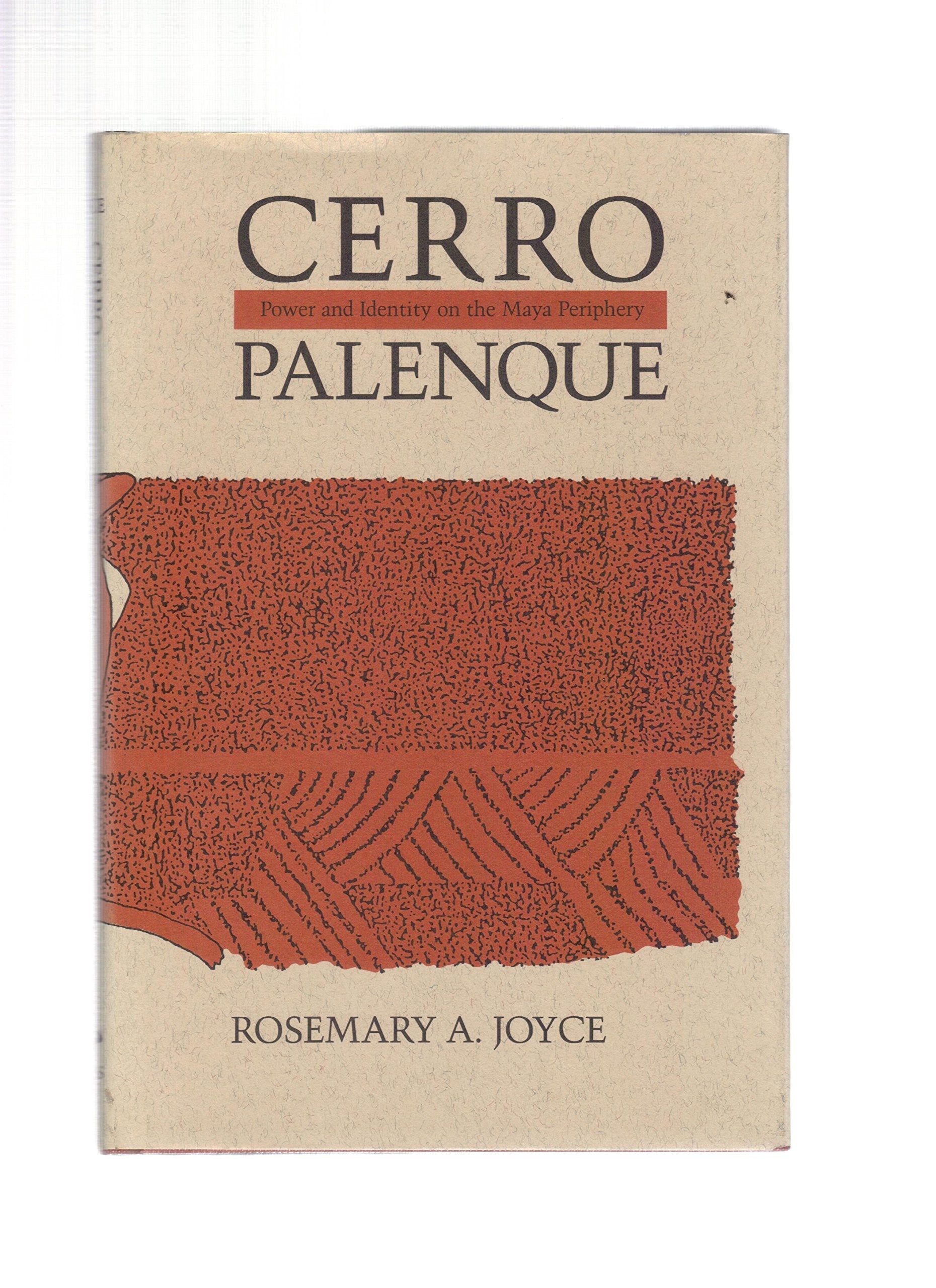
Cerro Palenque: Power and Identity on the Maya Periphery,Used
Sold by Ergodebooks, an authorized reseller.
Returns accepted within 30 days | support@ergodebooks.com
Shipping Information
- Free Standard Shipping — United States only
- Processing Time: 3–5 business days
- Estimated Delivery: 6–10 business days after dispatch
- Double-boxed, fully insured & discreetly packaged
- Tracking number sent via email once dispatched
Returns & Refund
Returns accepted within 30 days of delivery.
Damaged or Defective Item
Free return shipping + replacement or full refund
Wrong Item Received
Free return shipping + replacement or full refund
Change of Mind
Return shipping at customer's expense · 25% restocking fee applies
Payment Option

Excavations at Cerro Palenque, a hilltop site in the Ulua Valley of northwest Honduras, revolutionized scholars ideas about the Terminal Classic period (roughly ad 8501050) of Maya history and about the way in which cultures of the southeast Maya periphery related to the Lowland Maya. In this pathfinding study, Rosemary Joyce combines archaeological data gleaned from site research in 19801983 with anthropological theory about the evolution of social power to reconstruct something of the culture and lifeways of the prehispanic inhabitants of Cerro Palenque.Joyce organizes her study in a novel way. Rather than presenting each category of excavated material (ceramics, lithics, etc.) in a separate chapter, she integrates this data in discussions of what people did and where they did it, resulting in a reconstruction of social activity more than in a description of material culture.Joyces findings indicate that the precolumbian elites of the Ulua Valley had very strong and diversified contacts with Lowland Maya culture, primarily through the Bay of Honduras, with far less contact with Copn in the Highlands. The elites used their contacts with these distant, powerful cultures to reinforce their difference from the people they ruled and the legitimacy of their privileged status. Indeed, their dependence on foreign contacts ultimately led to their downfall when their foreign partners reorganized their economic and social order during the Terminal Classic period.Although archaeological research in the region has been undertaken since the 1890s, Cerro Palenque is the first fulllength study of an Ulua Valley site ever published. Joyces pioneering approacharchaeological ethnographywill be of interest to scholars dealing with any prehistoric people whose material remains provide the only clues to their culture.
⚠️ WARNING (California Proposition 65):
This product may contain chemicals known to the State of California to cause cancer, birth defects, or other reproductive harm.
For more information, please visit www.P65Warnings.ca.gov.