
Title
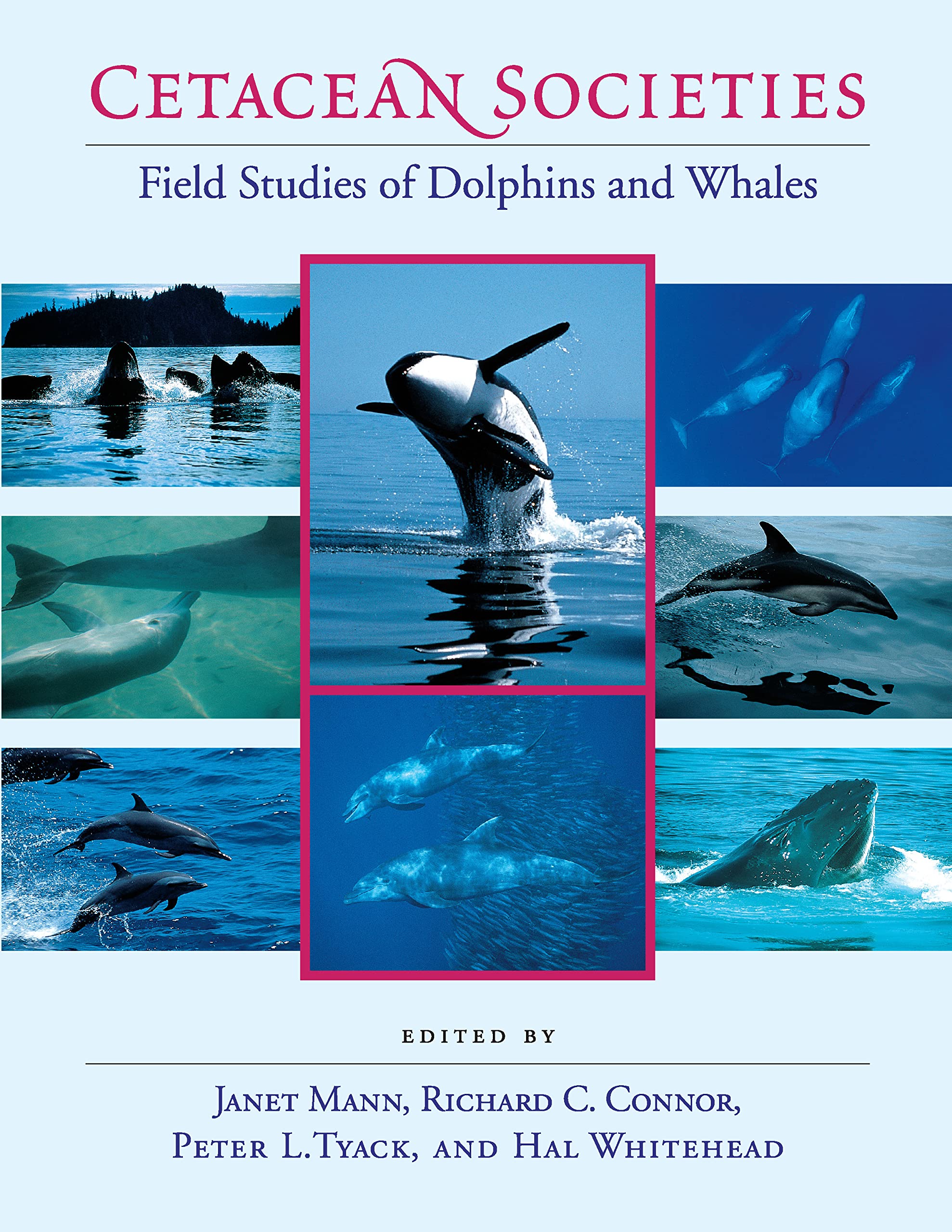
Cetacean Societies: Field Studies of Dolphins and Whales,Used
Sold by Ergodebooks, an authorized reseller.
Returns accepted within 30 days | support@ergodebooks.com
Shipping Information
- Free Standard Shipping — United States only
- Processing Time: 3–5 business days
- Estimated Delivery: 6–10 business days after dispatch
- Double-boxed, fully insured & discreetly packaged
- Tracking number sent via email once dispatched
Returns & Refund
Returns accepted within 30 days of delivery.
Damaged or Defective Item
Free return shipping + replacement or full refund
Wrong Item Received
Free return shipping + replacement or full refund
Change of Mind
Return shipping at customer's expense · 25% restocking fee applies
Payment Option

Part review, part testament to extraordinary dedication, and part call to get involved, Cetacean Societies highlights the achievements of behavioral ecologists inspired by the challenges of cetaceans and committed to the exploration of a new world.'from the preface by Richard WranghamLonglived, slow to reproduce, and often hidden beneath the water's surface, whales and dolphins (cetaceans) have remained elusive subjects for scientific study even though they have fascinated humans for centuries. Until recently, much of what we knew about cetaceans came from commercial sources such as whalers and trainers for dolphin acts. Innovative research methods and persistent efforts, however, have begun to penetrate the depths to reveal tantalizing glimpses of the lives of these mammals in their natural habitats.Cetacean Societies presents the first comprehensive synthesis and review of these new studies. Groups of chapters focus on the history of cetacean behavioral research and methodology; stateoftheart reviews of information on four of the moststudied species: bottlenose dolphins, killer whales, sperm whales, and humpback whales; and summaries of major topics, including group living, male and female reproductive strategies, communication, and conservation drawn from comparative research on a wide range of species.Written by some of the world's leading cetacean scientists, this landmark volume will benefit not just students of cetology but also researchers in other areas of behavioral and conservation ecology as well as anyone with a serious interest in the world of whales and dolphins.Contributors are Robin Baird, Phillip Clapham, Jenny Christal, Richard Connor, Janet Mann, Andrew Read, Randall Reeves, Amy Samuels, Peter Tyack, Linda Weilgart, Hal Whitehead, Randall S. Wells, and Richard Wrangham.
⚠️ WARNING (California Proposition 65):
This product may contain chemicals known to the State of California to cause cancer, birth defects, or other reproductive harm.
For more information, please visit www.P65Warnings.ca.gov.
- Q: How many pages does this book have? A: This book has four hundred forty-eight pages. It provides an in-depth exploration of cetacean studies and research findings.
- Q: What are the dimensions of the book? A: The dimensions of the book are eleven point zero three inches in length, eight point five four inches in width, and one point zero six inches in height. These dimensions make it a convenient size for reading and reference.
- Q: What type of binding does this book have? A: This book is paperback bound. The paperback format is lightweight and flexible, making it easy to carry.
- Q: Who is the author of this book? A: The author of this book is Janet Mann. She is recognized for her contributions to the field of marine biology and cetacean research.
- Q: What category does this book fall under? A: This book falls under the category of Marine Biology. It focuses on the behavioral ecology of cetaceans, including dolphins and whales.
- Q: How do I read this book effectively? A: To read this book effectively, start with the introduction and then explore chapters that interest you. The book is suitable for both students and researchers.
- Q: Is this book suitable for beginners? A: Yes, this book is suitable for beginners and experts alike. It provides foundational knowledge as well as advanced insights into cetacean behavior.
- Q: What themes are covered in this book? A: The book covers themes such as group living, reproductive strategies, communication, and conservation of cetaceans. It provides a comprehensive overview of current research.
- Q: How should I store this book? A: Store this book in a cool, dry place away from direct sunlight. This will help preserve the quality of the paperback binding and pages.
- Q: Can I clean this book if it gets dirty? A: Yes, you can clean the book gently with a dry cloth. Avoid using water or cleaning solutions, as they may damage the pages.
- Q: What if the book arrives damaged? A: If the book arrives damaged, you should contact the seller for a return or replacement. Most retailers have policies in place for damaged items.
- Q: Is this book appropriate for children? A: While the book is informative, it may not be suitable for very young children due to its complex themes. It is better suited for older students and adults.
- Q: What makes this book unique? A: This book is unique because it synthesizes comprehensive research on cetaceans and is authored by leading experts in the field. It serves as both a reference and an engaging read.
- Q: How does this book compare to other marine biology books? A: This book offers a focused examination of cetacean societies, distinguishing it from other marine biology texts that cover broader topics. Its specific insights are invaluable for cetology enthusiasts.
- Q: Who are some contributors to this book? A: Some contributors include Robin Baird, Phillip Clapham, and Richard Wrangham. These experts provide diverse perspectives on cetacean research.
- Q: What kind of research methods are discussed in this book? A: The book discusses innovative research methods used in cetacean studies, including behavioral observation and ecological assessments. These methodologies are crucial for understanding cetacean life.