
Title
Chambers for A Memory Palace (Mit Press),Used
Sold by Ergodebooks, an authorized reseller.
Returns accepted within 30 days | support@ergodebooks.com
Shipping Information
- Free Standard Shipping — United States only
- Processing Time: 3–5 business days
- Estimated Delivery: 6–10 business days after dispatch
- Double-boxed, fully insured & discreetly packaged
- Tracking number sent via email once dispatched
Returns & Refund
Returns accepted within 30 days of delivery.
Damaged or Defective Item
Free return shipping + replacement or full refund
Wrong Item Received
Free return shipping + replacement or full refund
Change of Mind
Return shipping at customer's expense · 25% restocking fee applies
Payment Option

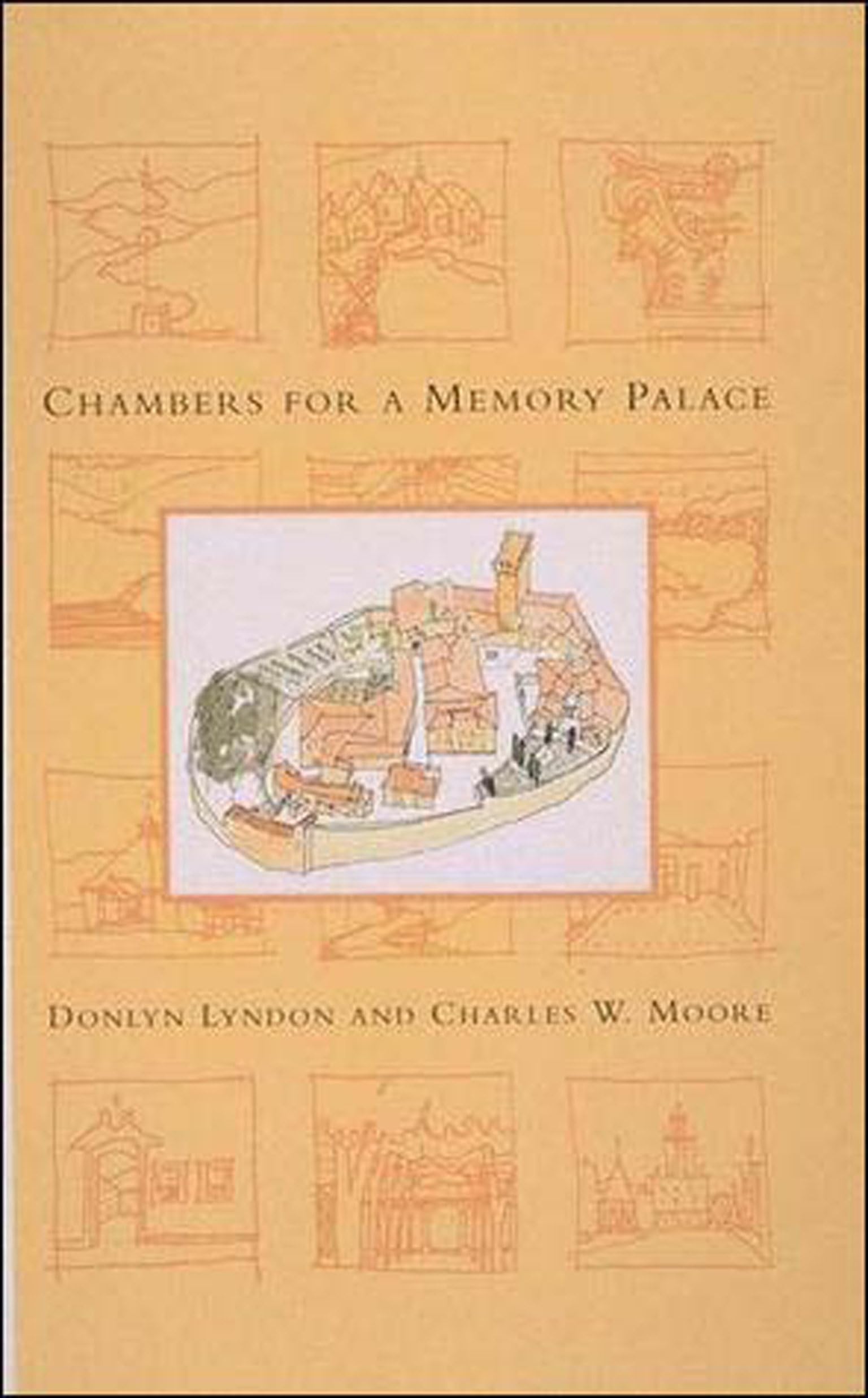
This ode to the spirit of place consists of an exchange of letters in which one author recalls and the other responds to the elements considered essential to the art of successful placemaking. Each of the book's chapters forms a chamber, and each chamber is inscribed with the authors' personal observations.This collaboration between two distinguished architects and former colleagues is a joyous celebration of admired places and a thoughtful consideration of the role that design has played in giving these places their memorable qualities. It is also an invitation to readers to inhabit the chambers of the book with their own imaginations to join in the making of the Memory Palace proposed. The authors' informal, witty, and anecdotal style extends to the illustrationsthe freehand travel sketches, line drawings, and watercolors of places they have remembered and enjoyed. Chambers for a Memory Palace consists of an exchange of letters in which one author recalls and the other responds to the elements considered essential to the art of successful placemaking. Each of the book's chapters forms a chamber, and each chamber is inscribed with personal observations on the composition of places and the architectural elements central to each building, garden, court, monument, or open space described. The examples considered in these dialogues range from classic Western tradition to Asian temples and Islamic tombs, from ancient ruins to modern cities. In 'Axes that Reach/Paths that Wander,' Lyndon and Moore discuss the Cranbrook Academy of Art in Bloomfield Hills, the Taj Mahal in Agra, Vaux le Vicomte in France, the Beverly Hills Civic Center, and the Kimbell Museum in Forth Worth. In 'Orchards that Measure/Pilasters that Temper,' they consider the rhythmic spacing of elements in the Mosque at Cordoba, the Cathedral at Bourges, the thousandpillared mandapas of South Indian temples, the facades of Schauspielhaus in Berlin, and the Seagram building in New York City. They use these and many other examples to illustrate the ways in which architecture, experience, and memory intertwine to help us experience events and places.
⚠️ WARNING (California Proposition 65):
This product may contain chemicals known to the State of California to cause cancer, birth defects, or other reproductive harm.
For more information, please visit www.P65Warnings.ca.gov.