
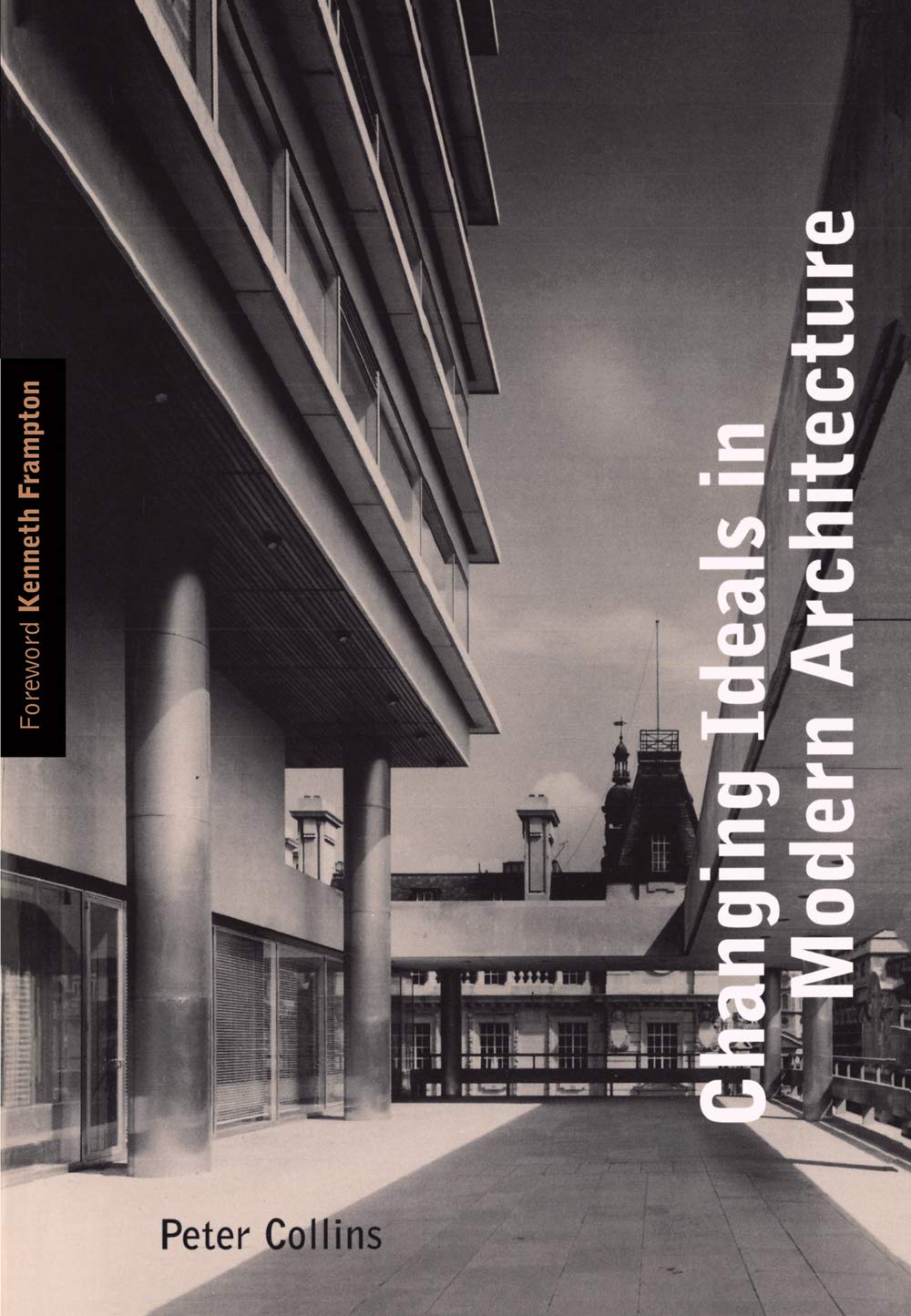
Title
Changing Ideals in Modern Architecture, 17501950: Second Edition,Used
Sold by Ergodebooks, an authorized reseller.
Returns accepted within 30 days | support@ergodebooks.com
Shipping Information
- Free Standard Shipping — United States only
- Processing Time: 3–5 business days
- Estimated Delivery: 6–10 business days after dispatch
- Double-boxed, fully insured & discreetly packaged
- Tracking number sent via email once dispatched
Returns & Refund
Returns accepted within 30 days of delivery.
Damaged or Defective Item
Free return shipping + replacement or full refund
Wrong Item Received
Free return shipping + replacement or full refund
Change of Mind
Return shipping at customer's expense · 25% restocking fee applies
Payment Option

Collins explains what Revivalism, Rationalism, Eclecticism, and Functionalism meant to those who practised them, examining the impact that social forces and the other arts and sciences had on architectural styles while recognizing the tectonic continuities that underlie the seeming ruptures between premodern, modern, and postmodern approaches to design. His work is infused with a deep sympathy for the classical spirit of the eighteenth century and he argued rigorously and passionately that Enlightenment ideas could be of real value to the architects of his generation, particularly since technology had made it possible to use them effectively. Collins's plea for sensitivity to tradition and the urban fabric while encouraging technological innovation and unprecedented programs makes his thought just as vital today as it was ahead of its time when first published. Collins had long wished to see an affordable, fully illustrated edition of his book and McGillQueen's University Press and the McGill School of Architecture are proud to at long last fulfil this wish. The new edition includes a biographical sketch of Collins, a brief publication history of the work, and an introductory essay by Kenneth Frampton that discusses the importance of the work at the time it was first published and highlights its relevance for the architectural problems of today. Like the classic works of Hitchcock, Giedion, Pevsner, and Benevolo, Changing Ideals in Modern Architecture is essential reading and forms a striking contrast with other works on modernism, such as Reyner Banham's. It will be pertinent to all those interested in architectural history and theory, modern history, history of ideas, and aesthetics.
⚠️ WARNING (California Proposition 65):
This product may contain chemicals known to the State of California to cause cancer, birth defects, or other reproductive harm.
For more information, please visit www.P65Warnings.ca.gov.