
Title
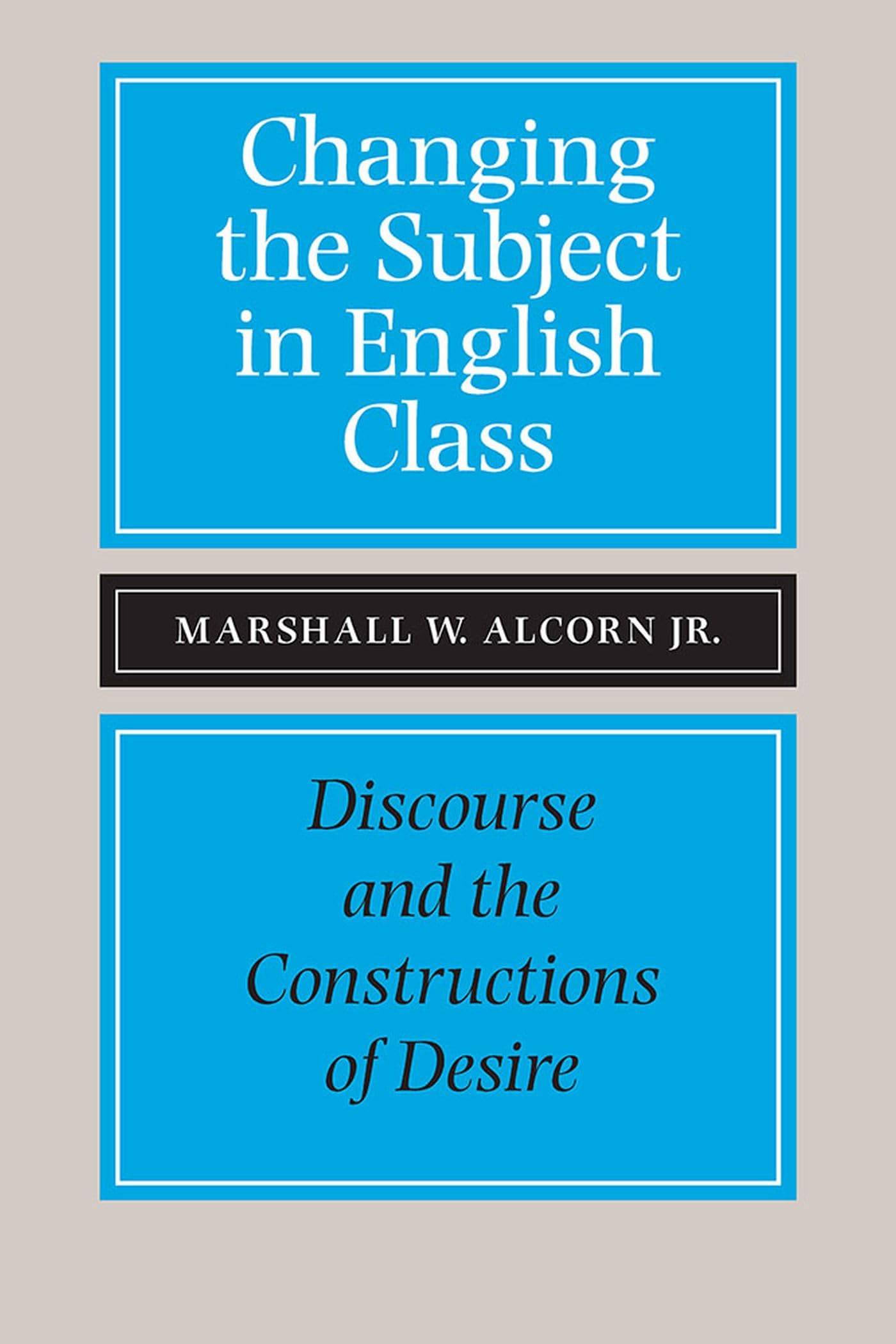
Changing the Subject in English Class: Discourse and the Constructions of Desires,Used
Sold by Ergodebooks, an authorized reseller.
Returns accepted within 30 days | support@ergodebooks.com
Shipping Information
- Free Standard Shipping — United States only
- Processing Time: 3–5 business days
- Estimated Delivery: 6–10 business days after dispatch
- Double-boxed, fully insured & discreetly packaged
- Tracking number sent via email once dispatched
Returns & Refund
Returns accepted within 30 days of delivery.
Damaged or Defective Item
Free return shipping + replacement or full refund
Wrong Item Received
Free return shipping + replacement or full refund
Change of Mind
Return shipping at customer's expense · 25% restocking fee applies
Payment Option

Drawing on the theoretical work of Jacques Lacan, Marshall W. Alcorn Jr. formulates a systematic explanation of the function and value of desire in writing instruction.Alcorn argues that in changing the subject matter of writing instruction in order to change student opinions, composition instructors have come to adopt an insufficiently complex understanding of subjectivity. This oversimplification hinders attempts to foster cultural change. Alcorn proposes an alternative mode of instruction that makes effective use of students knowledge and desire. The resulting freedom in expressionpersonal as well as politicalengenders the recognition, circulation, and elaboration of desire necessary for both human communication and effective politics.Responding to James Berlins reconception of praxis in the classroom, Theresa Eberts espousal of disciplined instructions, and Lester Faigleys introduction of a postmodern theory of subjectivity, Alcorn follows both Lacan and Slavoj iek in insisting desire be given free voice and serious recognition. In composition as in politics, desire is the ground of agency. Competing expressions of desire should generate a dialectic in socialepistemic discourse that encourages enlightenment over cynicism and social development over authoritarian demands.With clarity and personal voice, Alcorn explains how discourse is rooted in primitive psychological functions of desire and responds to complex cultural needs. In its theoretical scope this book describes a new pedagogy that links thought to emotion and the personal to the social.
⚠️ WARNING (California Proposition 65):
This product may contain chemicals known to the State of California to cause cancer, birth defects, or other reproductive harm.
For more information, please visit www.P65Warnings.ca.gov.