
Title
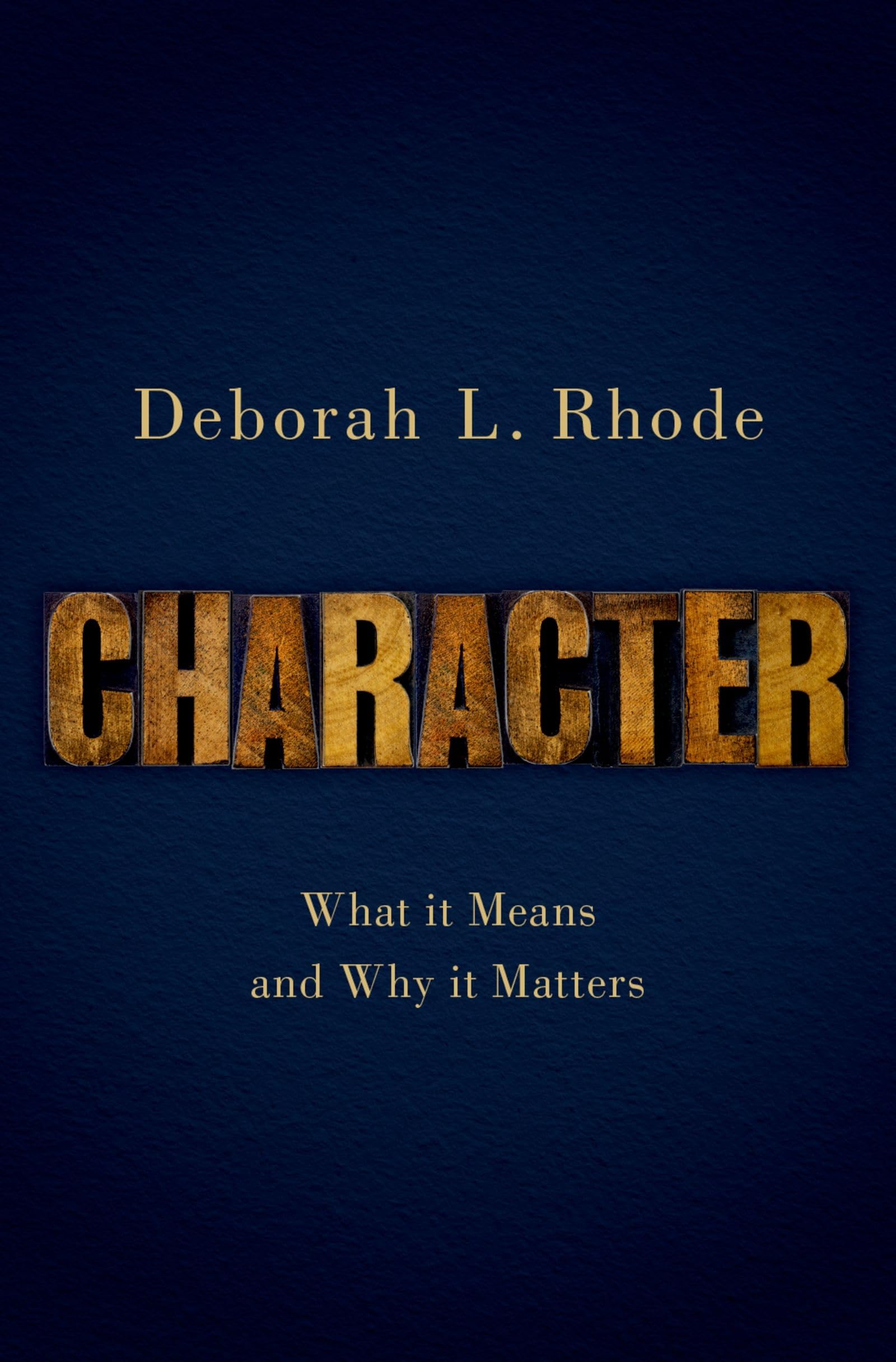
Character: What it Means and Why it Matters,New
Sold by Ergodebooks, an authorized reseller.
Returns accepted within 30 days | support@ergodebooks.com
Shipping Information
- Free Standard Shipping — United States only
- Processing Time: 3–5 business days
- Estimated Delivery: 6–10 business days after dispatch
- Double-boxed, fully insured & discreetly packaged
- Tracking number sent via email once dispatched
Returns & Refund
Returns accepted within 30 days of delivery.
Damaged or Defective Item
Free return shipping + replacement or full refund
Wrong Item Received
Free return shipping + replacement or full refund
Change of Mind
Return shipping at customer's expense · 25% restocking fee applies
Payment Option

Americans claim to care about character. Over four fifths want it taught in public schools, and 95 percent think that a president's character is important. And historically, philosophers, educators, politicians, religious leaders, judges, and the general public have agreed that character should be valued and reinforced. Yet in the United States, the institutions charged with that mission have consistently fallen short. Simply put, too little effort has been made to understand the importance of character and the strategies that can best develop and support it.After first exploring the history of the concept over time, Deborah Rhode turns her focus to the institutions that have traditionally fostered good character: families, schools, youth organizations, civic groups, and political organizations. However, as we have increasingly deemphasized the subjecta trend that is most evident in our politicsour awareness of its shaping influence has waned. Indeed, we often focus on the wrong things when it comes to fostering good character. For instance, almost a third of the workforce is covered by licensing laws requiring good moral character, even occupations where the need for screening is not selfevident: florist, fortune teller, and frog farmers. Character also plays a pivotal role in the criminal justice system, in defining guilt, punishment, and eligibility for parole. All too often, these legal requirements are idiosyncratic, inequitable, and subject to race and class bias. Millions of Americans who have convictions for minor offenses are excluded from a vast range of occupations and benefits without evidence that such exclusion serves the public interest. We can do better, she stresses, and outlines a powerful program for reform.Rhode punctuates the book through a series of portraits of exemplary individuals whose good character made them who they were: Ida B. Wells, Jane Addams, Martin Luther King, Mother Teresa, Nelson Mandela, Albert Schweitzer, and Thurgood Marshall. All of these individuals had flaws, but through their commitments to both social justice and helping the less fortunate, they all demonstrate the power and importance of strong character.
⚠️ WARNING (California Proposition 65):
This product may contain chemicals known to the State of California to cause cancer, birth defects, or other reproductive harm.
For more information, please visit www.P65Warnings.ca.gov.