If you have any questions, you are always welcome to contact us. We'll get back to you as soon as possible, withing 24 hours on weekdays.
Customer service
All questions about your order, return and delivery must be sent to our customer service team by e-mail at yourstore@yourdomain.com
Sale & Press
If you are interested in selling our products, need more information about our brand or wish to make a collaboration, please contact us at press@yourdomain.com
Help
If you have any questions, you are always welcome to contact us. We'll get back to you as soon as possible, withing 24 hours on weekdays.
Customer service
All questions about your order, return and delivery must be sent to our customer service team by e-mail at yourstore@yourdomain.com
Sale & Press
If you are interested in selling our products, need more information about our brand or wish to make a collaboration, please contact us at press@yourdomain.com
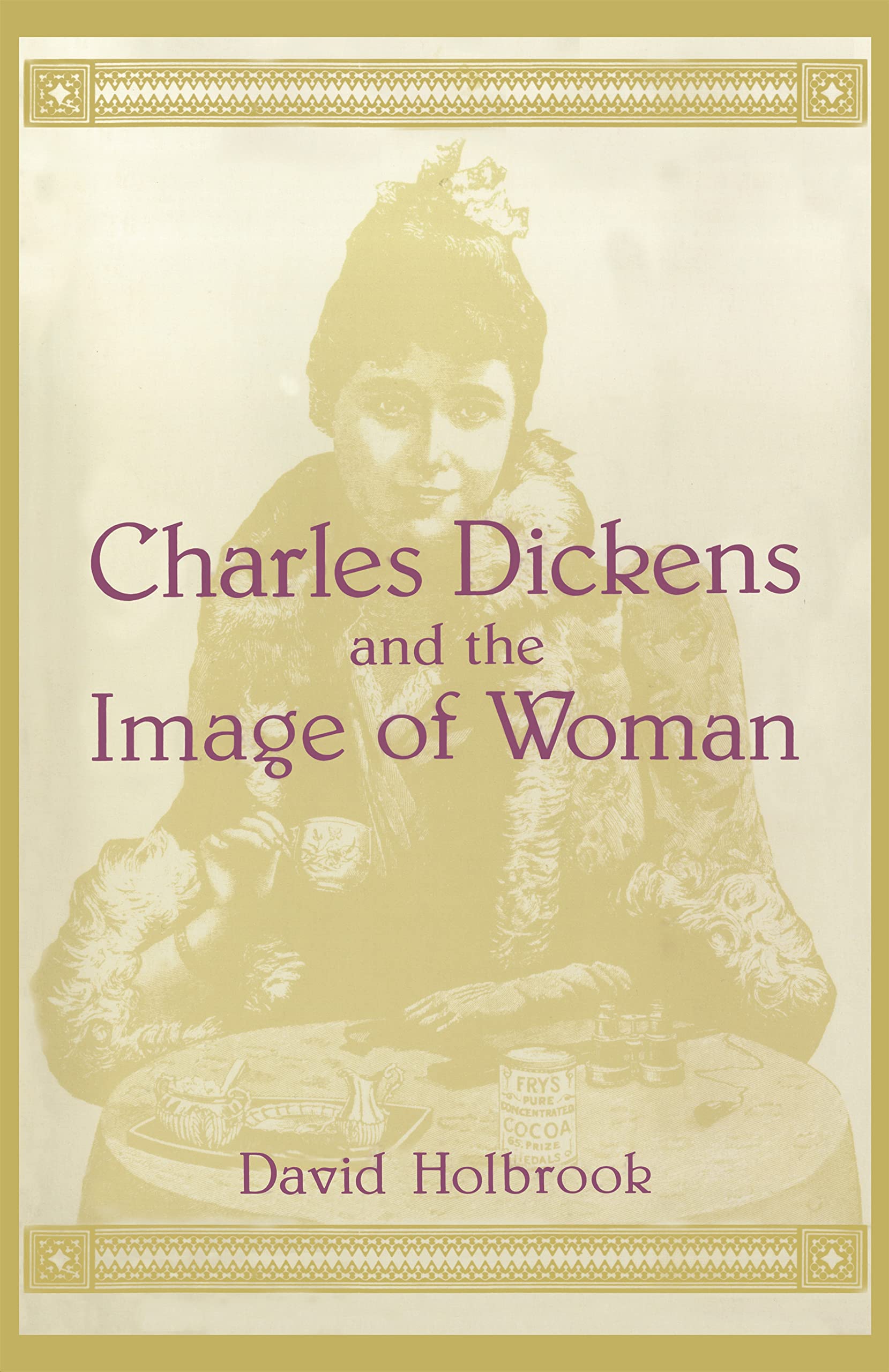
How successful is Dickens in his portrayal of women? Dickens has been represented (along with William Blake and D.H. Lawrence) as one who championed the life of the emotions often associated with the 'feminine.' Yet some of his most important heroines are totally submissive and docile.Dickens, of course, had to accept the conventions of his time. It is obvious, argues Holbrook, that Dickens idealized the fatherdaughter relationship, and indeed, any such relationship that was unsexual, like that of Tom Pinch and his sisterbut why? Why, for example, is the image of woman so often associated with death, as in Great Expectations? Dickens's own struggles over relationships with women have been documented, but much less has been said about the unconscious elements behind these problems.Using recent developements in psychoanalytic objectrelations theory, David Holbrook offers new insight into the way in which the novels of Dickensparticularly Bleak House, Little Dorrit, and Great Expectationsboth uphold emotional needs and at the same time represent the limits of his view of women and that of his time.
⚠️ WARNING (California Proposition 65):
This product may contain chemicals known to the State of California to cause cancer,
birth defects, or other reproductive harm.
For MAP (Minimum Advertised Price) violations and Intellectual Property (IP) or Trademark concerns, please contact:
support@ergodebooks.com
⚠️ California Proposition 65 Warning: Some products sold on this website may expose you to chemicals known to the State of California to cause cancer, birth defects, or other reproductive harm. For more information, visit www.P65Warnings.ca.gov.