
Title

Charles Sheeler: Across Media,New
Sold by Ergodebooks, an authorized reseller.
Returns accepted within 30 days | support@ergodebooks.com
Shipping Information
- Free Standard Shipping — United States only
- Processing Time: 3–5 business days
- Estimated Delivery: 6–10 business days after dispatch
- Double-boxed, fully insured & discreetly packaged
- Tracking number sent via email once dispatched
Returns & Refund
Returns accepted within 30 days of delivery.
Damaged or Defective Item
Free return shipping + replacement or full refund
Wrong Item Received
Free return shipping + replacement or full refund
Change of Mind
Return shipping at customer's expense · 25% restocking fee applies
Payment Option

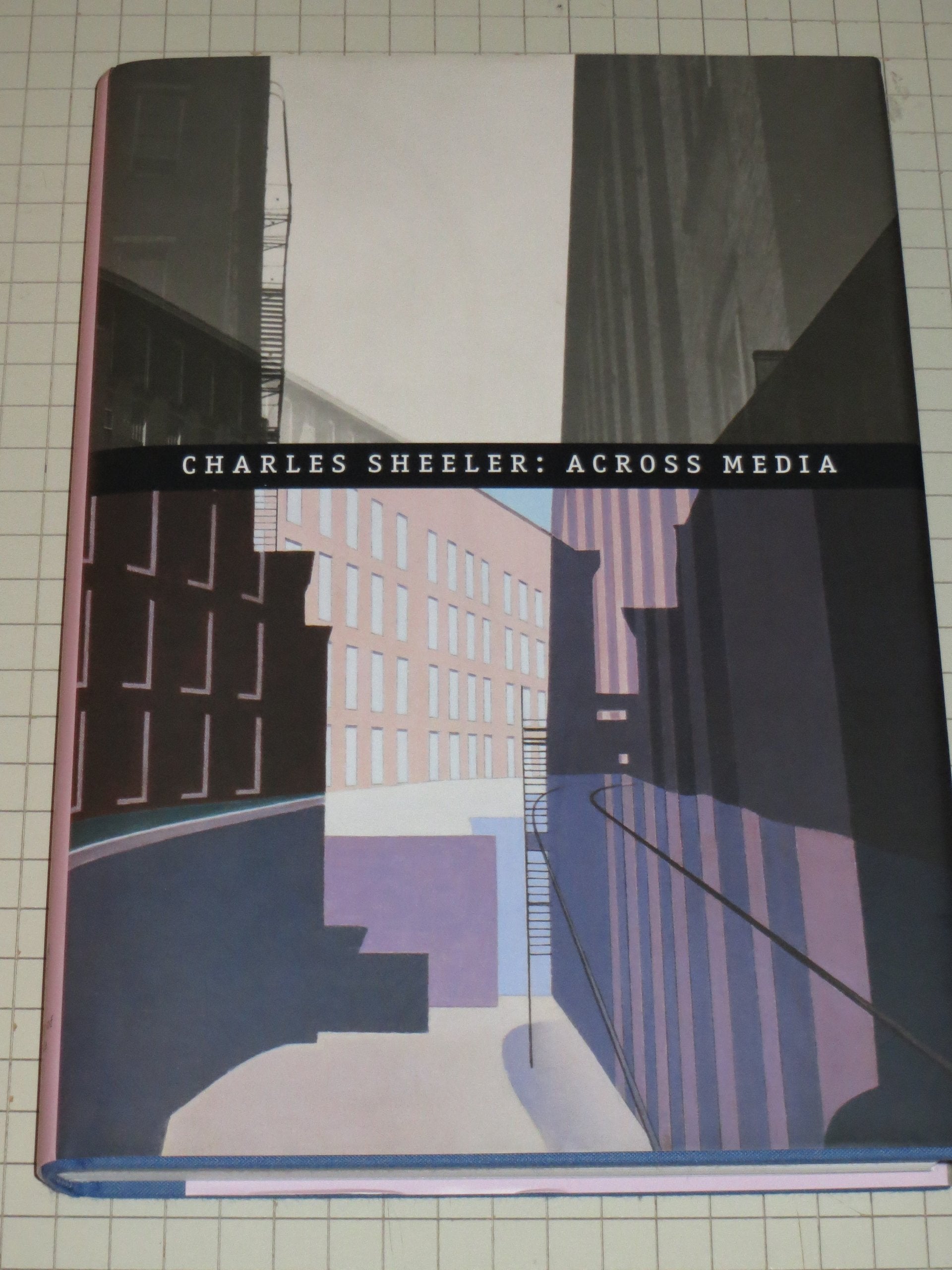
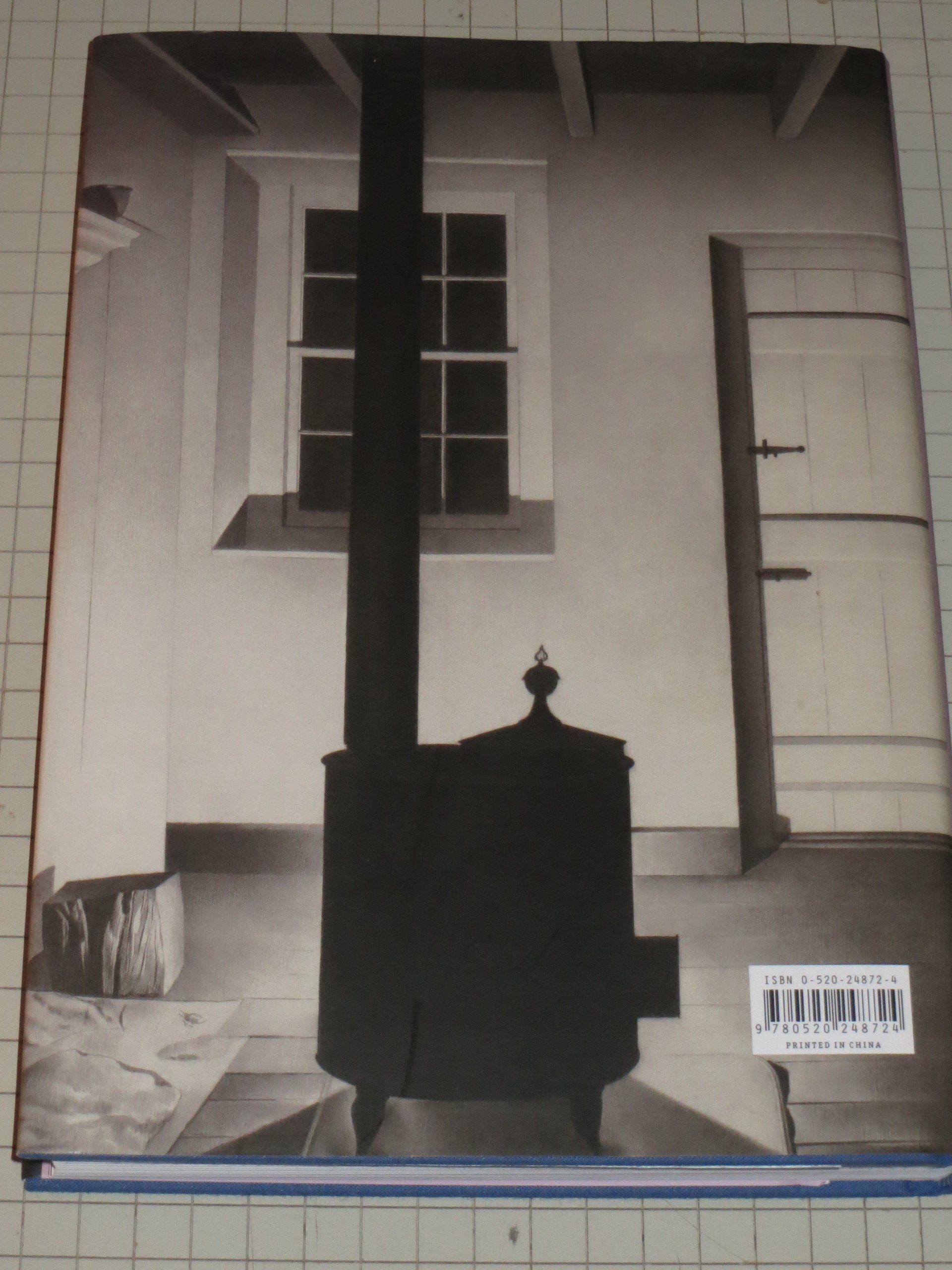
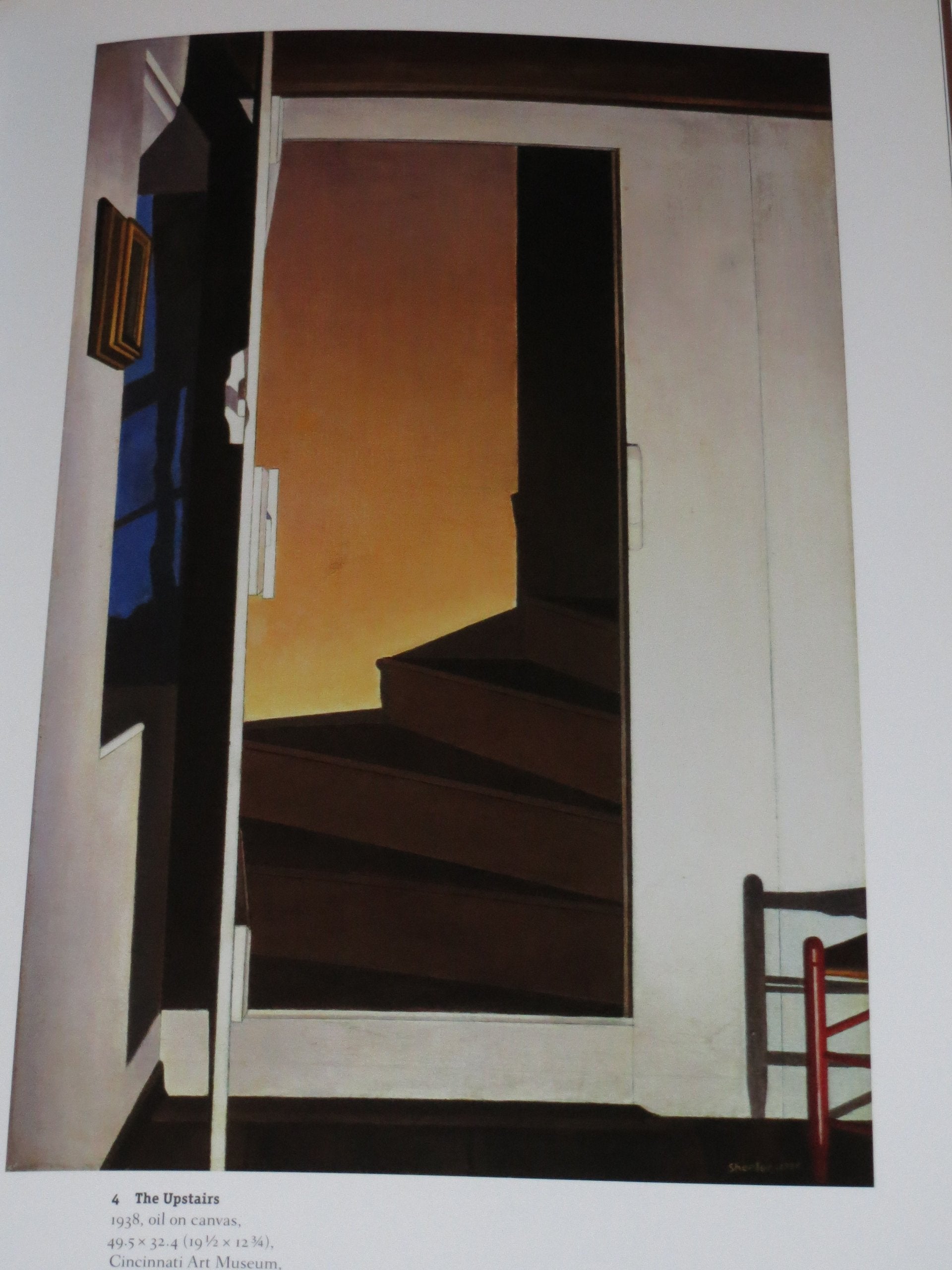
Charles Sheeler (18831965) is recognized as one of the founders of American modernism and one of the master photographers of the twentieth century. His work is synonymous with precisionism, a crisp, clean, hardedged style that reconciled cubist abstraction and the machine aesthetic of Marcel Duchamp with American subject matter. Trained in industrial drawing, decorative painting, and applied art at the School of Industrial Art in Philadelphia, Sheeler also attended the Pennsylvania Academy of the Fine Arts, where he learned an impressionistic, painterly style. He later embraced European modernism and taught himself photography. Sheeler fully absorbed the lessons of each discipline and forged his own singular approach.This beautifully illustrated book, created to accompany a traveling exhibition of Sheelers work, features detailed analyses of the artists mediums and working methods. Focusing on the complex, often paradoxical, relationships among photography, film, drawing, printmaking, and painting that were central to Sheelers art, this pathbreaking book traces critical points in Sheelers trajectory, beginning with a small selection of Sheelers seminal photographs, circa 1917, of the interior of an eighteenthcentury Quaker fieldstone house in Doylestown, Pennsylvania. Sections are also devoted to the 1920 film Manhatta, made in collaboration with Paul Strand; a series of commercial photographs of the Ford Motor Companys River Rogue factory (1927); the enigmatic painting The Artist Looks at Nature (1943) and its related works; and finally a group of mill subjects from the 1940s and 1950s that experiments with photomontage.Copub: National Gallery of Art
⚠️ WARNING (California Proposition 65):
This product may contain chemicals known to the State of California to cause cancer, birth defects, or other reproductive harm.
For more information, please visit www.P65Warnings.ca.gov.