
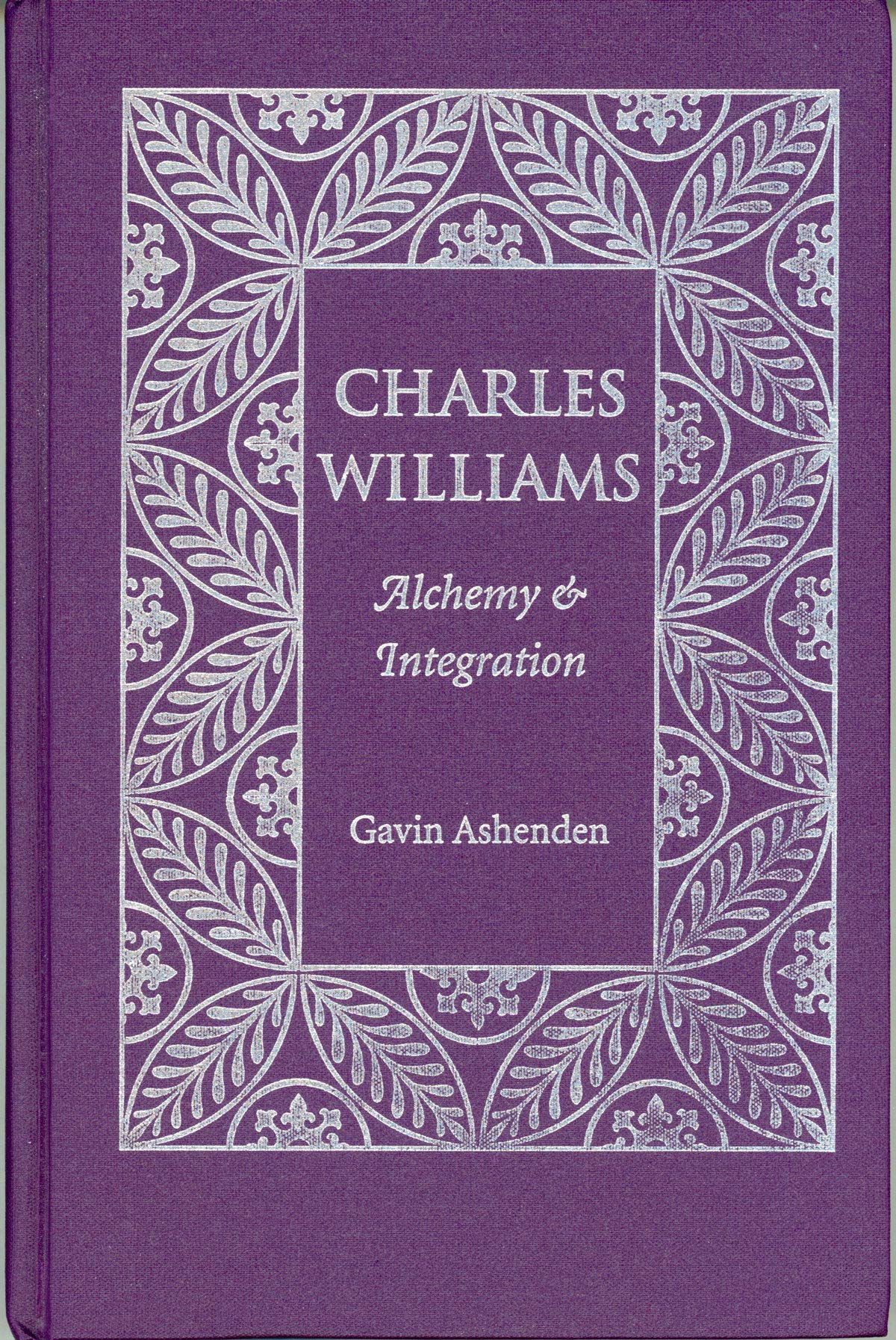
Title
Charles Williams: Alchemy And Integration,Used
Sold by Ergodebooks, an authorized reseller.
Returns accepted within 30 days | support@ergodebooks.com
Shipping Information
- Free Standard Shipping — United States only
- Processing Time: 3–5 business days
- Estimated Delivery: 6–10 business days after dispatch
- Double-boxed, fully insured & discreetly packaged
- Tracking number sent via email once dispatched
Returns & Refund
Returns accepted within 30 days of delivery.
Damaged or Defective Item
Free return shipping + replacement or full refund
Wrong Item Received
Free return shipping + replacement or full refund
Change of Mind
Return shipping at customer's expense · 25% restocking fee applies
Payment Option

An examination of the tumultuous inner life of this poet and writerHe was a close friend of T. S. Eliot, deeply admired by C. S. Lewis, inspirational for W. H. Auden in his journey to faith, and a literary sparring partner for J. R. R. Tolkien. Yet half a century after his death, much of Charles Williamss life and work remains an enigma. The questions that arose from his immersion in Rosicrucian and hermetic culture and ideologycentral to understanding Williamss thought and art remain provocatively unexplored.For a decade of his early adulthood, Williams was a member of the Fellowship of the Rosy Cross, a form of neoRosicrucianism. There is widespread confusion about its nature, which is to be expected given that this was a semisecret society. Though Williams left his formal association with it behind, it enriched and informed his imaginative world with a hermetic myth that expressed itself in an underlying ideology and metaphysics.In Charles Williams: Alchemy and Integration, Gavin Ashenden explores both the history behind the myths and metaphysics Williams was to make his own and the hermetic culture that influenced him. He examines and interprets its expressions in Williamss novels, poetry, and the development of his ideas and relates these elements to Williamss unpublished letters to his platonic lover, Celia, written toward the end of his life. Since one of the foremost ideas in Williamss work is the interdependence or coinherence of both our humanity and the creation, understanding the extent to which he lived and achieved this in his own life is important. Williamss private correspondence with Celia is of particular interest both for its own sake, since it was previously unknown, and for the insight it offers into his personality and muse.
⚠️ WARNING (California Proposition 65):
This product may contain chemicals known to the State of California to cause cancer, birth defects, or other reproductive harm.
For more information, please visit www.P65Warnings.ca.gov.