
Title
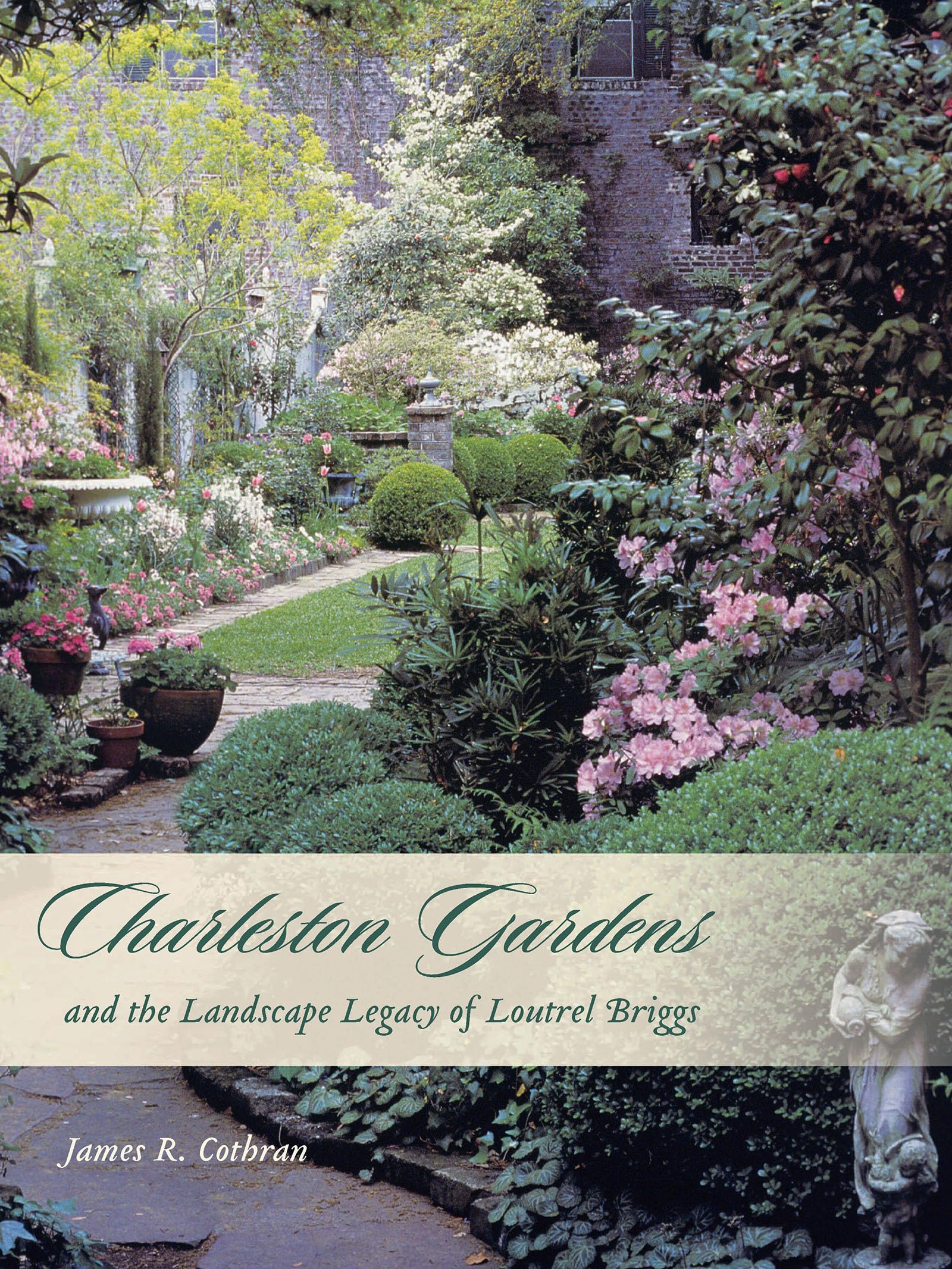
Charleston Gardens and the Landscape Legacy of Loutrel Briggs,Used
Sold by Ergodebooks, an authorized reseller.
Returns accepted within 30 days | support@ergodebooks.com
Shipping Information
- Free Standard Shipping — United States only
- Processing Time: 3–5 business days
- Estimated Delivery: 6–10 business days after dispatch
- Double-boxed, fully insured & discreetly packaged
- Tracking number sent via email once dispatched
Returns & Refund
Returns accepted within 30 days of delivery.
Damaged or Defective Item
Free return shipping + replacement or full refund
Wrong Item Received
Free return shipping + replacement or full refund
Change of Mind
Return shipping at customer's expense · 25% restocking fee applies
Payment Option

An elegantly rendered account of the central figure in the twentiethcentury Charleston garden renaissanceCharleston Gardens and the Landscape Legacy of Loutrel Briggs provides a fascinating account of the life and career of renowned landscape architect Loutrel Briggs (18931977), the individual most directly responsible for the development of Charleston's distinctive garden style. Accomplished landscape architect and awardwinning garden historian James R. Cothran provides the most complete portrait to date of Briggs, his continuing impact on the iconic gardens of Charleston, and his legacy in the complex historical tapestry of the lowcountry.A native of New York and a graduate of Cornell University, Briggs first visited Charleston in 1927 to experience firsthand the city's incomparable springtime beauty and picturesque charm. He opened a seasonal office in Charleston in 1929 and for the next three decades divided his practice between his summer office in New York and his winter office in Charleston. Briggs became a permanent resident of Charleston in 1959.Briggs completed an impressive array of private and public landscape projects, including Mepkin, McLeod, Mulberry, and Rice Hope plantations; Charleston's Gateway Walk; the William Gibbes house garden; and the South Carolina Memorial Garden, but he is best known for his designs of many small Charleston gardens. He is credited with designing more than one hundred private gardens in Charleston's historic district alone. In these plans Briggs drew on his remarkable sense of scale, harmony, and tradition to work wonders in limited urban spaces. Featuring a distinctive emphasis on "outdoor rooms," some of these gardens survive today while others have been lost over time to natural causes, redesign, or neglect. Today Charleston is in danger of losing one of its most enviable but fragile assetsits legacy of Briggs' gardens.Cothran's comprehensive work champions a renewed appreciation of the contributions Briggs made to Charleston's landscape tradition and serves as a timely call to action to preserve Briggs' gardens and legacy. The book also provides an inventory of Briggs' projects found in Charleston archives as a resource for further research, exploration, and documentation.
⚠️ WARNING (California Proposition 65):
This product may contain chemicals known to the State of California to cause cancer, birth defects, or other reproductive harm.
For more information, please visit www.P65Warnings.ca.gov.