
Title
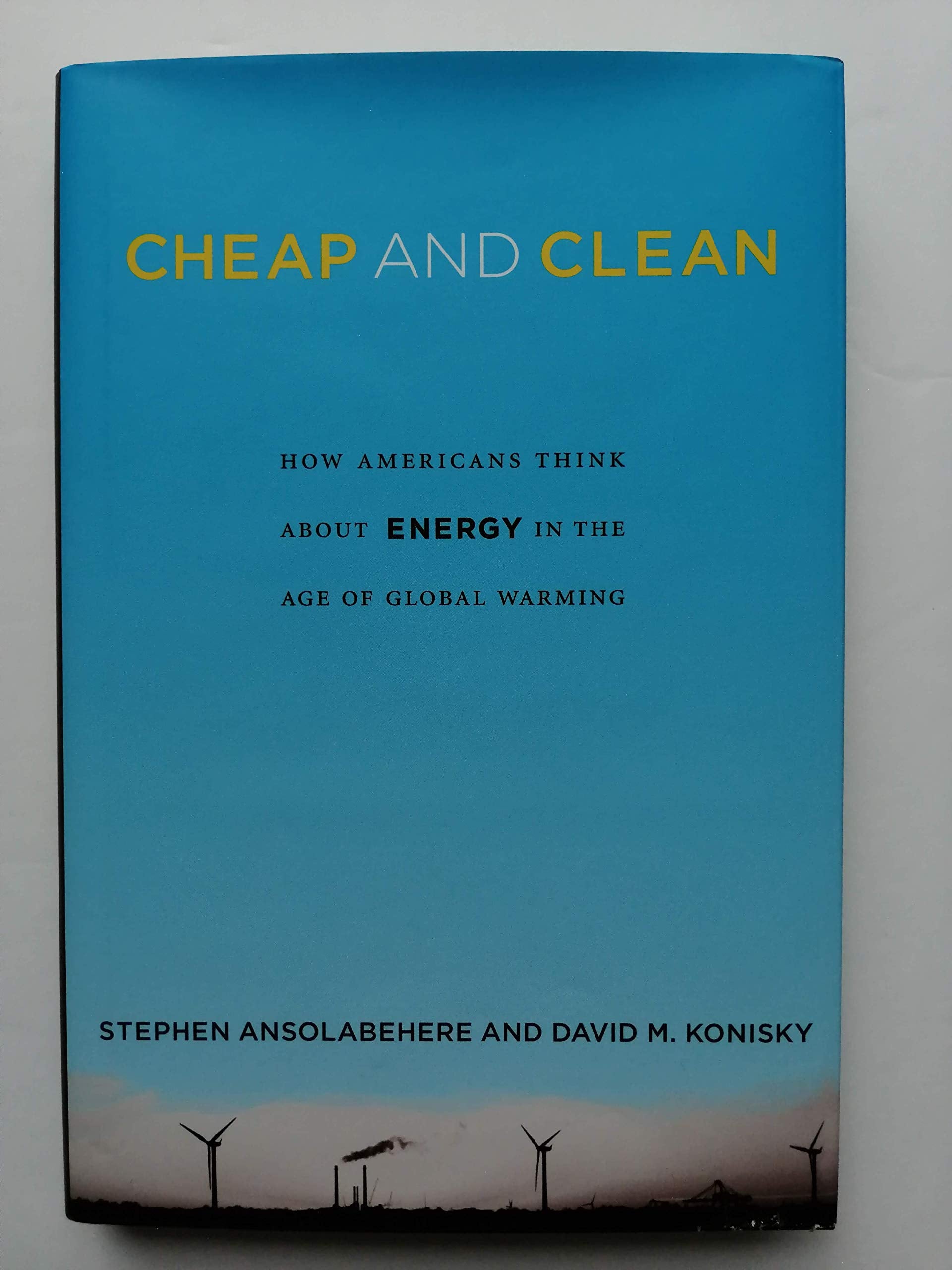
Cheap and Clean: How Americans Think About Energy in the Age of Global Warming,New
Sold by Ergodebooks, an authorized reseller.
Returns accepted within 30 days | support@ergodebooks.com
Shipping Information
- Free Standard Shipping — United States only
- Processing Time: 3–5 business days
- Estimated Delivery: 6–10 business days after dispatch
- Double-boxed, fully insured & discreetly packaged
- Tracking number sent via email once dispatched
Returns & Refund
Returns accepted within 30 days of delivery.
Damaged or Defective Item
Free return shipping + replacement or full refund
Wrong Item Received
Free return shipping + replacement or full refund
Change of Mind
Return shipping at customer's expense · 25% restocking fee applies
Payment Option

How Americans make energy choices, why they think locally (not globally), and how this can shape U.S. energy and climate change policy.How do Americans think about energy? Is the debate over fossil fuels highly partisan and ideological? Does public opinion about fossil fuels and alternative energies divide along the fault between red states and blue states? And how much do concerns about climate change weigh on their opinions? In Cheap and Clean, Stephen Ansolabehere and David Konisky show that Americans are more pragmatic than ideological in their opinions about energy alternatives, more unified than divided about their main concerns, and more local than global in their approach to energy.Drawing on extensive surveys they designed and conducted over the course of a decade (in conjunction with MIT's Energy Initiative), Ansolabehere and Konisky report that beliefs about the costs and environmental harms associated with particular fuels drive public opinions about energy. People approach energy choices as consumers, and what is most important to them is simply that energy be cheap and clean. Most of us want energy at low economic cost and with little social cost (that is, minimal health risk from pollution). The authors also find that although environmental concerns weigh heavily in people's energy preferences, these concerns are local and not global. Worries about global warming are less pressing to most than worries about their own city's smog and toxic waste. With this in mind, Ansolabehere and Konisky argue for policies that target both local pollutants and carbon emissions (the main source of global warming). The local and immediate nature of people's energy concerns can be the starting point for a new approach to energy and climate change policy.
⚠️ WARNING (California Proposition 65):
This product may contain chemicals known to the State of California to cause cancer, birth defects, or other reproductive harm.
For more information, please visit www.P65Warnings.ca.gov.