
Title
Chemical Crimes: Science And Poison In Victorian Crime Fiction,Used
Sold by Ergodebooks, an authorized reseller.
Returns accepted within 30 days | support@ergodebooks.com
Shipping Information
- Free Standard Shipping — United States only
- Processing Time: 3–5 business days
- Estimated Delivery: 6–10 business days after dispatch
- Double-boxed, fully insured & discreetly packaged
- Tracking number sent via email once dispatched
Returns & Refund
Returns accepted within 30 days of delivery.
Damaged or Defective Item
Free return shipping + replacement or full refund
Wrong Item Received
Free return shipping + replacement or full refund
Change of Mind
Return shipping at customer's expense · 25% restocking fee applies
Payment Option

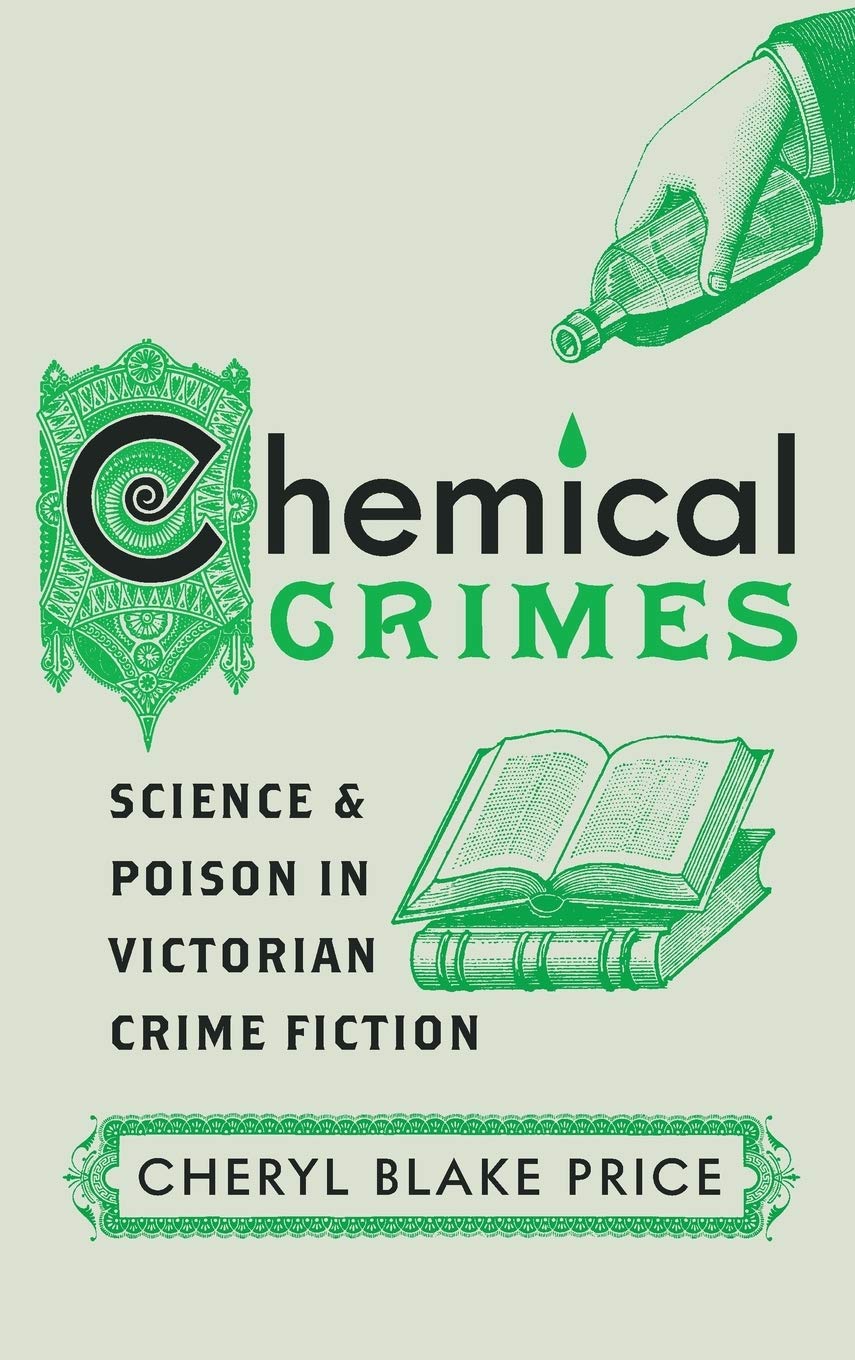
In Chemical Crimes: Science and Poison in Victorian Crime Fiction, Cheryl Blake Price delves into the dark world of Victorian criminality to examine how poison allowed authors to disrupt gender boundaries, genre, and the professionalization of science. Tracing the role of the chemical crime through the works of Letitia Elizabeth Landon, Ellen Wood, Edward Bulwer Lytton, L. T. Meade, Charles Warren Adams, and Wilkie Collins, Price argues that poison this intervention not only provided a useful tool for authors to challenge the growing power of science but also that its fluid nature and ability to mix, mingle, and transcend boundaries made it ideal for generic experimentation.From the Newgate and Silver Fork novels of the 1830s to the emergent genres of science and detective fiction of the 1890s, Price advocates for the classification of a new type of poisoner, one who combined crime with methodical scientific knowhow: the chemical criminal. Chemical Crimes shows how authors used the subversiveness of chemical crimes to challenge the supposed disciplinary force of forensic detection and suggests that generic developments were inspired as much by criminal scientific innovation as they were by the rise of the detectivescientist. By focusing on chemical crimes appearance at significant moments, this book traces how reactions to Victorian science inspired change in nineteenthcentury crime fiction.
⚠️ WARNING (California Proposition 65):
This product may contain chemicals known to the State of California to cause cancer, birth defects, or other reproductive harm.
For more information, please visit www.P65Warnings.ca.gov.