
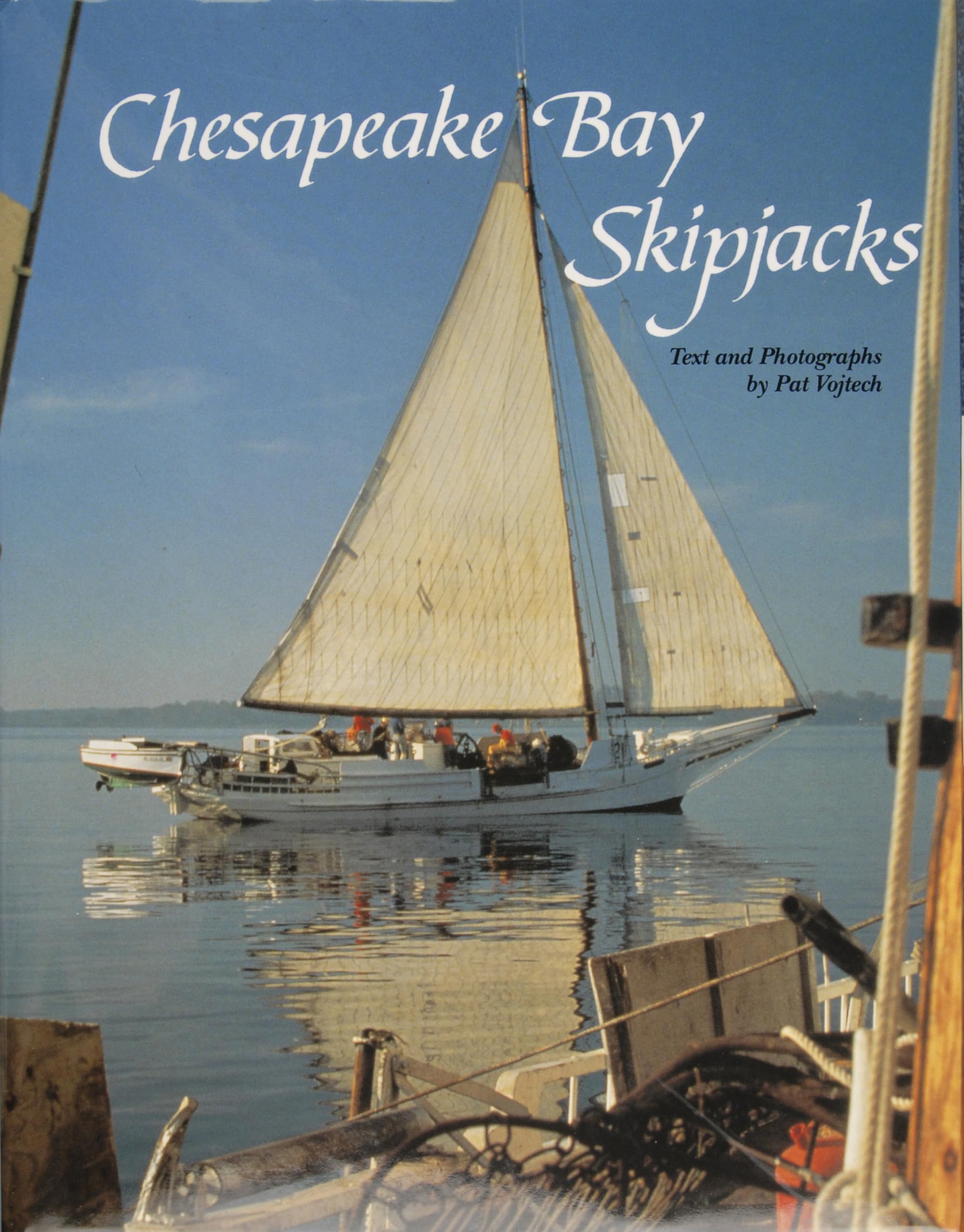
Title
Chesapeake Bay Skipjacks,New
Sold by Ergodebooks, an authorized reseller.
Returns accepted within 30 days | support@ergodebooks.com
Shipping Information
- Free Standard Shipping — United States only
- Processing Time: 3–5 business days
- Estimated Delivery: 6–10 business days after dispatch
- Double-boxed, fully insured & discreetly packaged
- Tracking number sent via email once dispatched
Returns & Refund
Returns accepted within 30 days of delivery.
Damaged or Defective Item
Free return shipping + replacement or full refund
Wrong Item Received
Free return shipping + replacement or full refund
Change of Mind
Return shipping at customer's expense · 25% restocking fee applies
Payment Option

Chesapeake Bay Skipjacks Documents The Skipjack And Its Role In The Oyster Dredging Industry, Describing The Natural And Manmade Disasters That Affected The Trade, Including The August Storm Of 1933 That Swept Vessels Into Pastures; Icelocked Harbors That Led To The Idea Of Dredging Through The Ice With Sleighs, Cars, And Trucks; And The Great Depression That Crushed The Oyster Market Overnight And Forced Many To Abandon Their Vessels And Way Of Life. The History Of The Skipjack, A Vessel Type That Has Only Existed For About A Hundred Years, Is Seen Here Primarily Through The Eyes Of The Men Who Lived It. Author Vojtech Interviewed Some Thirty Captains, Former Captains, Crew Members, And Relatives Of Those Who Worked The Boats, To Recreate The Events That Took Place Between 1917 And 1993. The Early Years Were Reconstructed Through Research Into Maryland'S Dredging Records And Contemporary Newspapers Accounts. Today, Disease And Other Environmental Hazards Affecting The Oyster Have Made The Commercial Future Of The Skipjacks On The Bay Extremely Uncertain, Underscoring The Need To Record The Lore Of Those Who Manned This Diminishing Fleet And To Emphasize The Vessel'S Place In The History Of The Chesapeake Region. In This Readable Account, Skipjack Captains And Crews Vividly Recall Their Personal Troubles And Near Disasters As Well As More Widespread Hardships That Watermen Have Faced: Storms That Swept Vessels Into Pastures, Long Cold Spells When They Were Forced To Dredge Through The Ice With Sleighs (And Later Automobiles), And The Great Depression That Crushed The Oyster Market Overnight. More Than Anything, Though, This Is A Story Of Men Who Loved To Sail And Who Often Risked Their Lives, Balanced On The Edge Of Danger, To Harvest The Chesapeake'S Most Valuable Cropthe Oyster.
⚠️ WARNING (California Proposition 65):
This product may contain chemicals known to the State of California to cause cancer, birth defects, or other reproductive harm.
For more information, please visit www.P65Warnings.ca.gov.
- Q: What is the dimensions of the book Chesapeake Bay Skipjacks? A: The book measures eight point seventy-five inches in length, one inch in width, and eleven point twenty-six inches in height.
- Q: How many pages does Chesapeake Bay Skipjacks have? A: Chesapeake Bay Skipjacks contains one hundred fifty-four pages, offering an in-depth exploration of skipjacks and the oyster industry.
- Q: What type of binding does this book have? A: This book features a hardcover binding, ensuring durability and protection for the pages inside.
- Q: What themes does Chesapeake Bay Skipjacks cover? A: The book covers themes of maritime history, environmental challenges, and the personal stories of skipjack captains and crews.
- Q: Who is the author of Chesapeake Bay Skipjacks? A: The author of the book is Pat Vojtech, who conducted extensive interviews and research for this work.
- Q: What is the historical context of Chesapeake Bay Skipjacks? A: The book documents the history of skipjacks from nineteen seventeen to nineteen ninety-three, highlighting their importance in the oyster dredging industry.
- Q: Is Chesapeake Bay Skipjacks suitable for all ages? A: Yes, the book is appropriate for readers of various ages, particularly those interested in history and maritime culture.
- Q: What kind of research was done for this book? A: The author conducted interviews with skipjack captains and researched historical records and newspaper accounts from Maryland.
- Q: What kind of stories can readers expect from this book? A: Readers can expect personal stories about hardships, near disasters, and the love for sailing among skipjack crews.
- Q: How should I care for the book Chesapeake Bay Skipjacks? A: To keep the book in good condition, store it in a cool, dry place and handle it with clean hands to avoid damage.
- Q: Is there any specific storage advice for hardcover books? A: Yes, it is advisable to store hardcover books upright on a shelf to prevent warping or damage to the spine.
- Q: What should I do if the book arrives damaged? A: If the book arrives damaged, you should contact the seller for information on their return policy and replacement options.
- Q: Can I return Chesapeake Bay Skipjacks if I am not satisfied? A: Yes, most sellers have a return policy, but you should check the specific terms of the retailer where you made the purchase.
- Q: How can I ensure the book stays safe during transportation? A: To ensure safety during transportation, wrap the book in protective material and avoid placing heavy items on top of it.
- Q: What if I have questions about the content of the book? A: If you have questions about the content, you can refer to the author's website or check online forums for discussions about the book.
- Q: What makes Chesapeake Bay Skipjacks a unique read? A: The book is unique due to its combination of personal narratives, historical context, and detailed accounts of the skipjack fishing industry.