
Title
Chicago'S Progressive Alliance: Labor And The Bid For Public Streetcars,Used
Sold by Ergodebooks, an authorized reseller.
Returns accepted within 30 days | support@ergodebooks.com
Shipping Information
- Free Standard Shipping — United States only
- Processing Time: 3–5 business days
- Estimated Delivery: 6–10 business days after dispatch
- Double-boxed, fully insured & discreetly packaged
- Tracking number sent via email once dispatched
Returns & Refund
Returns accepted within 30 days of delivery.
Damaged or Defective Item
Free return shipping + replacement or full refund
Wrong Item Received
Free return shipping + replacement or full refund
Change of Mind
Return shipping at customer's expense · 25% restocking fee applies
Payment Option

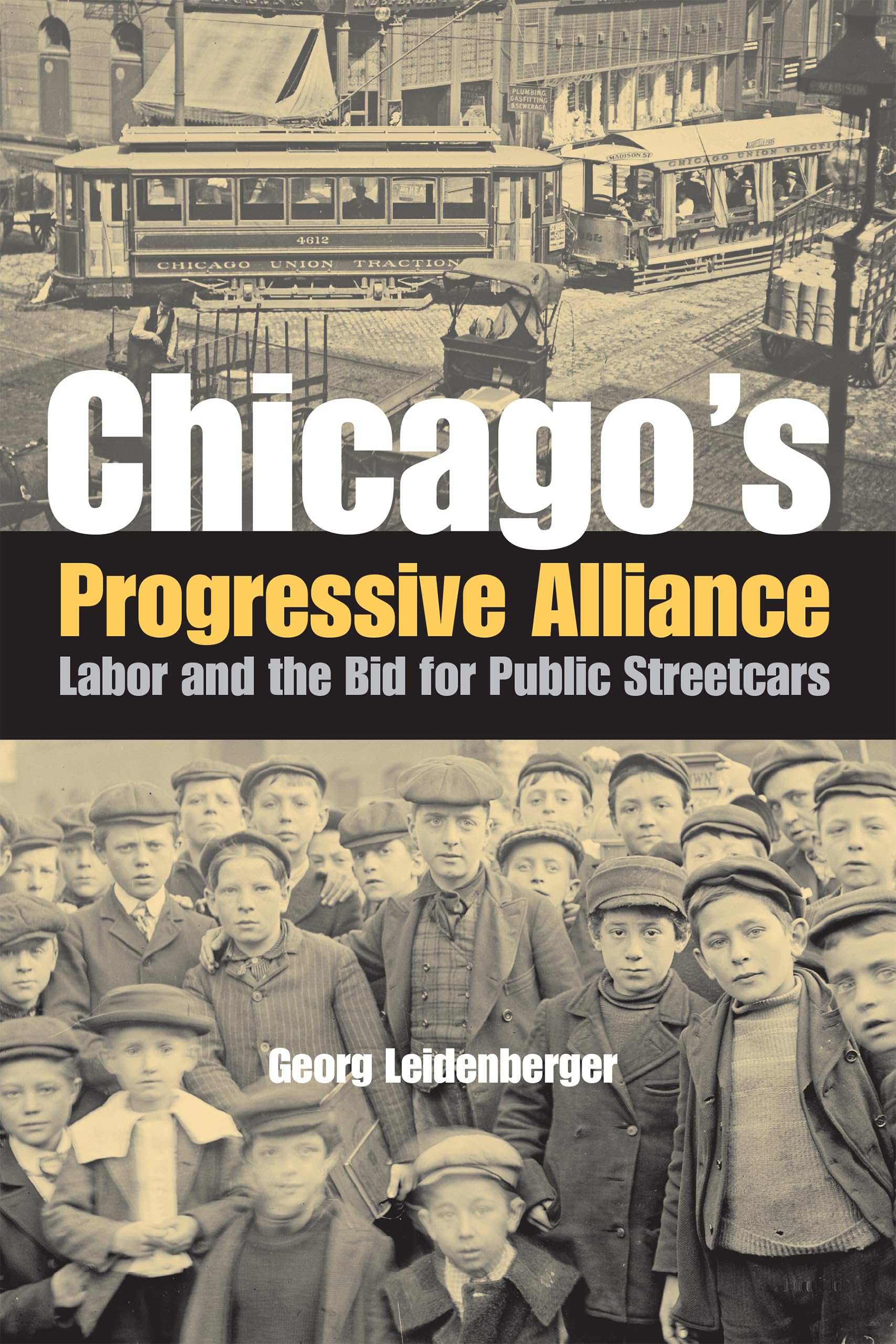
By the turn of the twentieth century, Chicago, site of the Haymarket affair and the Pullman strike, had acquired a reputation as the bastion of labor unions. At the same time, Progressiveera Chicago was known as the laboratory of social reformthe city where muckraking journalists, collegetrained professionals, and civicminded millionaires worked together to rebuild the slums, improve sanitation, and eradicate political corruption. When union workers and middleclass reformers united, the combination of labor militancy and astute politics was truly a force to be reckoned with.In Chicago's Progressive Alliance, Leidenberger tells the story of the coalition of reformers and workers advocating municipal control of Chicago's streetcars. Why streetcars? At the time, streetcars were the main mode of transportation for Chicago's diverse population, so common interest certainly played a factor. Workers also shared the reformers' ideology, and issues surrounding streetcars encompassed a host of Progressive concerns: the debate over the extent of state power over private service enterprises, the crusade against corruption, and the uses and public nature of city spaces. Most important, the alliance embodied Progressivism's central idealovercoming class conflict and defining the public interest.By examining the alliance's formation, political tactics, and ultimate demise, Leidenberger offers new insights on the history of labor, class relations, and political culture in urban America. Dramatic photos of streetcars and of union laborers and their supporters accentuate this study of Progressivism in action. Chicago's Progressive Alliance will appeal to those interested in American political history, labor history, urban history, and transportation history.
⚠️ WARNING (California Proposition 65):
This product may contain chemicals known to the State of California to cause cancer, birth defects, or other reproductive harm.
For more information, please visit www.P65Warnings.ca.gov.