If you have any questions, you are always welcome to contact us. We'll get back to you as soon as possible, withing 24 hours on weekdays.
Customer service
All questions about your order, return and delivery must be sent to our customer service team by e-mail at yourstore@yourdomain.com
Sale & Press
If you are interested in selling our products, need more information about our brand or wish to make a collaboration, please contact us at press@yourdomain.com
Help
If you have any questions, you are always welcome to contact us. We'll get back to you as soon as possible, withing 24 hours on weekdays.
Customer service
All questions about your order, return and delivery must be sent to our customer service team by e-mail at yourstore@yourdomain.com
Sale & Press
If you are interested in selling our products, need more information about our brand or wish to make a collaboration, please contact us at press@yourdomain.com
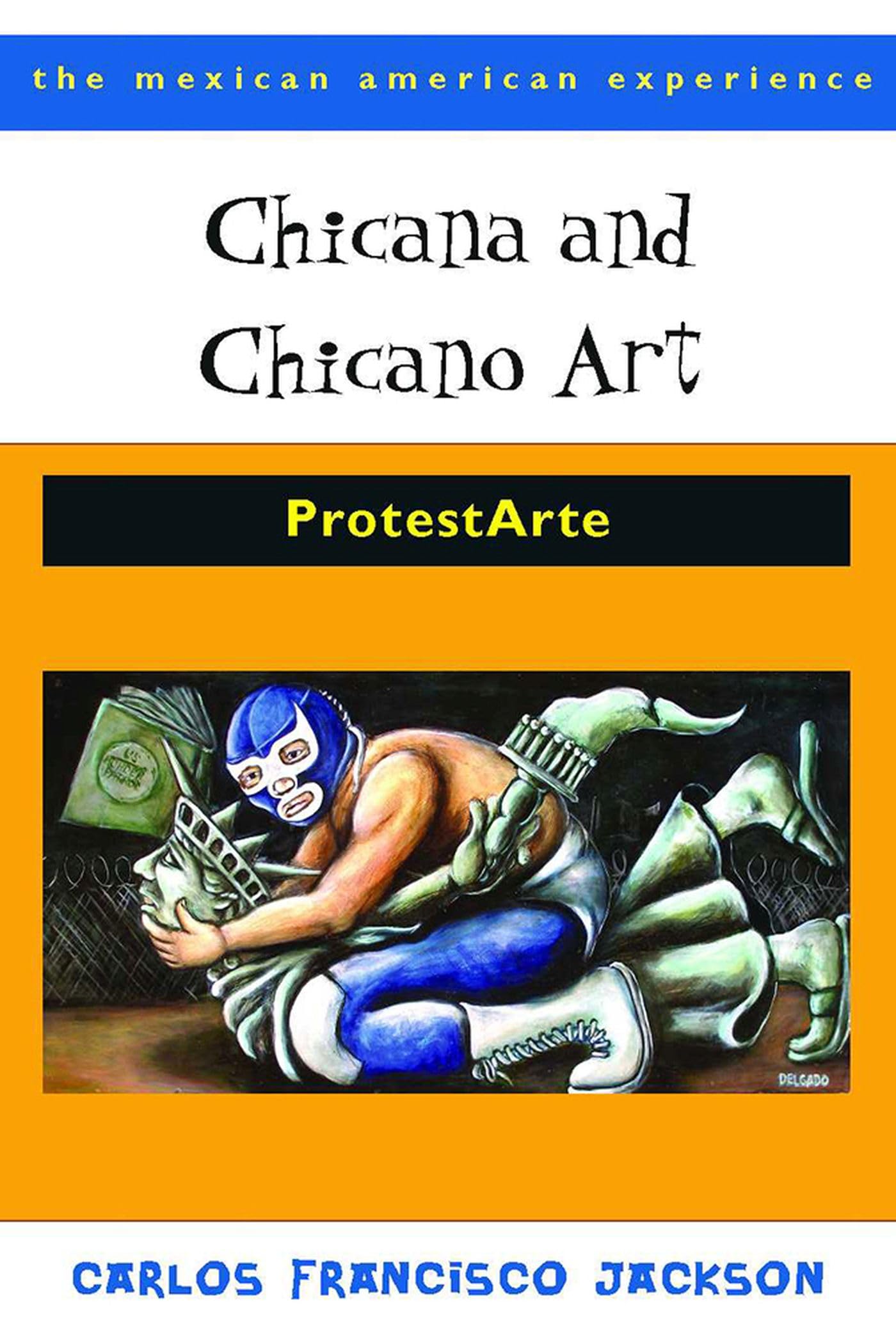
This is the first book solely dedicated to the history, development, and presentday flowering of Chicana and Chicano visual arts. It offers readers an opportunity to understand and appreciate Chicana/o art from its beginnings in the 1960s, its relationship to the Chicana/o Movement and its leading artists, themes, current directions, and cultural impacts.Although the word ?Chicano? once held negative connotations, studentsalong with civil rights activists and artistsadopted it in the late 1960s in order to reimagine and redefine what it meant to be Mexican American in the United States. Chicanismo is the ideology and spirit behind the Chicano Movement and Chicanismo unites the artists whose work is revealed and celebrated in this book.Jackson?s scope is wide. He includes paintings, prints, murals, altars, sculptures, and photographsand, of course, the artists who created them. Beginning with key influences, he describes the importance of poster and mural art, focusing on the work of the Mexican artist Jos? Guadalupe Posada and the significance of Mexican and Cuban talleres (print workshops). He examines the importance of art collectives in the United States, as well as Chicano talleres and community art centers, for the growth of the Chicano art movement. In conclusion, he considers how Chicano art has been presented to the general American public.As Jackson shows, the visual arts have both reflected and created Chicano culture in the United States. For college studentsand for all readers who want to learn more about this fascinating subjecthis book is an ideal introduction to an art movement with a social conscience.
⚠️ WARNING (California Proposition 65):
This product may contain chemicals known to the State of California to cause cancer,
birth defects, or other reproductive harm.
For MAP (Minimum Advertised Price) violations and Intellectual Property (IP) or Trademark concerns, please contact:
support@ergodebooks.com
⚠️ California Proposition 65 Warning: Some products sold on this website may expose you to chemicals known to the State of California to cause cancer, birth defects, or other reproductive harm. For more information, visit www.P65Warnings.ca.gov.