
Title
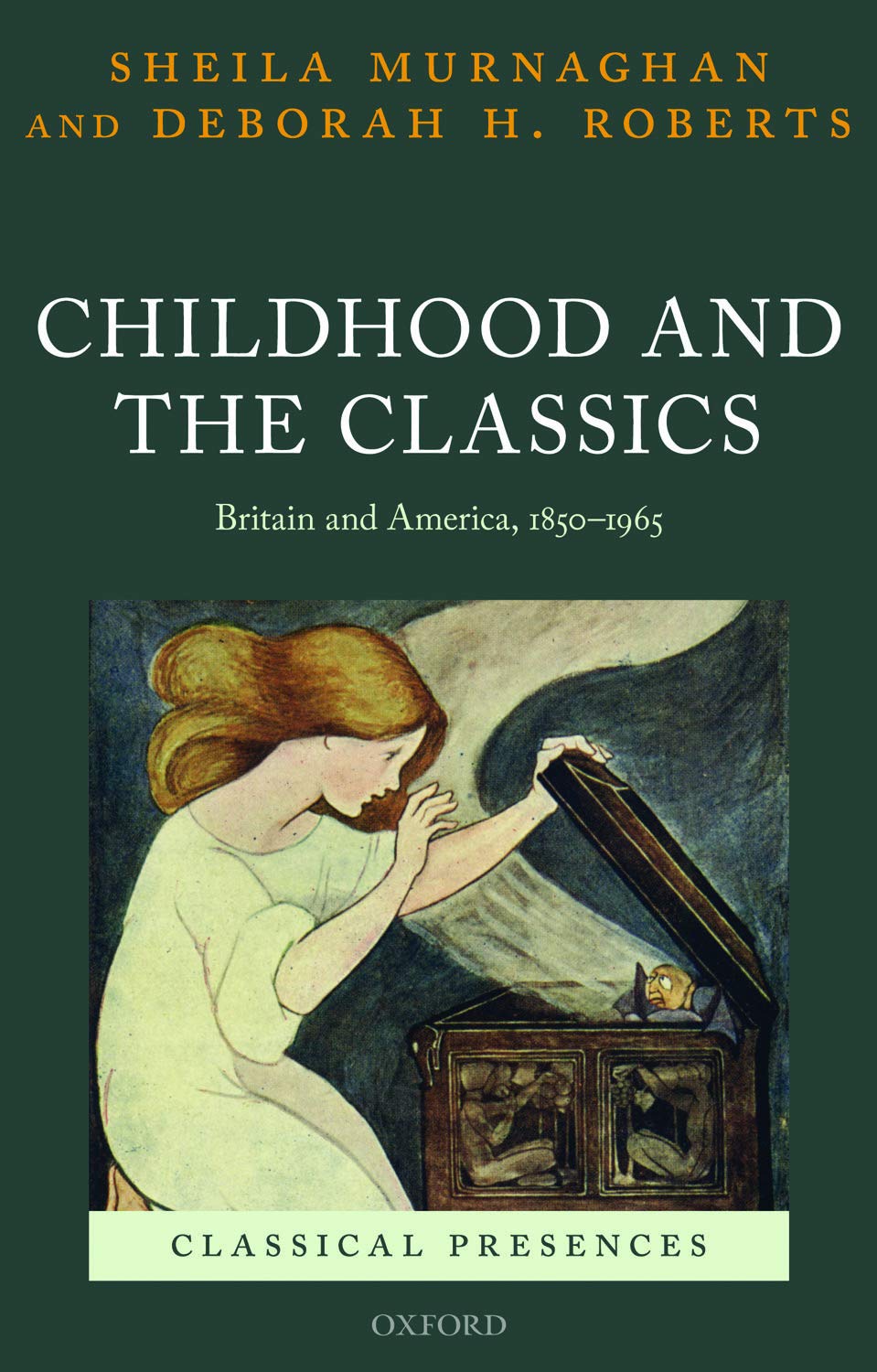
Childhood and the Classics: Britain and America, 18501965 (Classical Presences),Used
Sold by Ergodebooks, an authorized reseller.
Returns accepted within 30 days | support@ergodebooks.com
Shipping Information
- Free Standard Shipping — United States only
- Processing Time: 3–5 business days
- Estimated Delivery: 6–10 business days after dispatch
- Double-boxed, fully insured & discreetly packaged
- Tracking number sent via email once dispatched
Returns & Refund
Returns accepted within 30 days of delivery.
Damaged or Defective Item
Free return shipping + replacement or full refund
Wrong Item Received
Free return shipping + replacement or full refund
Change of Mind
Return shipping at customer's expense · 25% restocking fee applies
Payment Option

The dissemination of classical material to children has long been a major form of popularization with farreaching effects, although until very recently it has received almost no attention within the growing field of classical reception studies. This volume explores the ways in which children encountered the world of ancient Greece and Rome in Britain and the United States over a centurylong period beginning in the 1850s, as well as adults' literary responses to their own childhood encounters with antiquity. Rather than discussing the role of classics in education, it focuses on books read for enjoyment, and on two genres of children's literature in particular: the myth collection and the historical novel. The tradition of myths retold as children's stories is traced in the work of writers and illustrators from Nathaniel Hawthorne and Charles Kingsley to Roger Lancelyn Green and Ingri and Edgar Parin D'Aulaire, while the discussion of historical fiction focuses particularly on the roles of nationality and gender in the construction of an ancient world for modern children. The book concludes with an investigation of the connections between childhood and antiquity made by writers for adults, including James Joyce, Virginia Woolf, and H.D. Recognition of the fundamental role in children's literature of adults' ideas about what children want or need is balanced throughout by attention to the ways in which child readers have made such works their own. The formative experiences of antiquity discussed throughout help to explain why despite growing uncertainty about the appeal of antiquity to modern children, the classical past remains perennially interesting and inspiring.
⚠️ WARNING (California Proposition 65):
This product may contain chemicals known to the State of California to cause cancer, birth defects, or other reproductive harm.
For more information, please visit www.P65Warnings.ca.gov.