
Title
Children At Play: An American History,Used
Sold by Ergodebooks, an authorized reseller.
Returns accepted within 30 days | support@ergodebooks.com
Shipping Information
- Free Standard Shipping — United States only
- Processing Time: 3–5 business days
- Estimated Delivery: 6–10 business days after dispatch
- Double-boxed, fully insured & discreetly packaged
- Tracking number sent via email once dispatched
Returns & Refund
Returns accepted within 30 days of delivery.
Damaged or Defective Item
Free return shipping + replacement or full refund
Wrong Item Received
Free return shipping + replacement or full refund
Change of Mind
Return shipping at customer's expense · 25% restocking fee applies
Payment Option

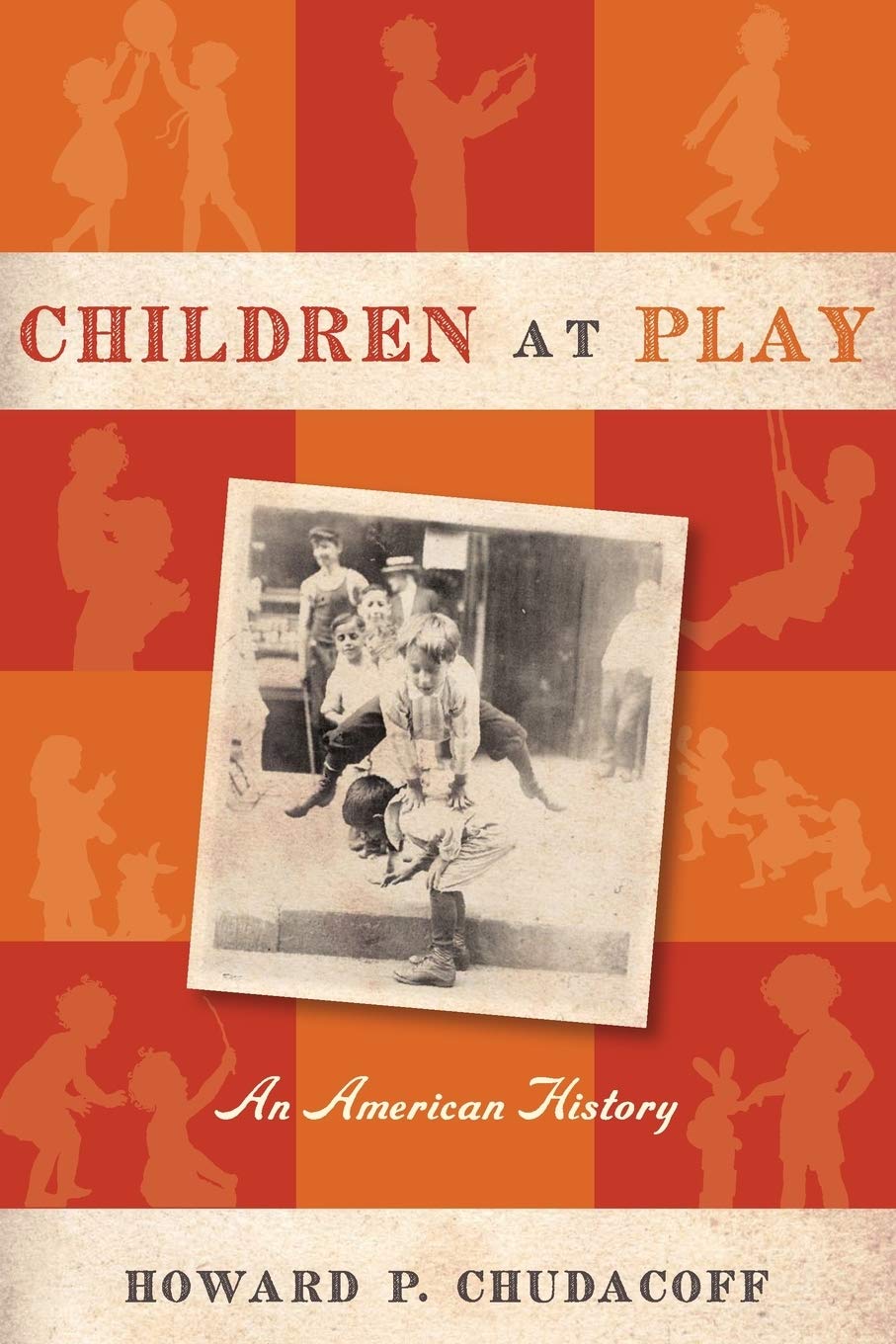
A chronological history of children's playtime over the last 200 yearsIf you believe the experts, childs play; is serious business. From sociologists to psychologists and from anthropologists to social critics, writers have produced mountains of books about the meaning and importance of play. But what do we know about how children actually play, especially American children of the last two centuries? In this fascinating and enlightening book, Howard Chudacoff presents a history of childrens play in the United States and ponders what it tells us about ourselves.Through expert investigation in primary sourcesincluding dozens of children's diaries, hundreds of autobiographical recollections of adults, and a wealth of childrearing manualsalong with wideranging reading of the work of educators, journalists, market researchers, and scholarsChudacoff digs into the underground of play. He contrasts the activities that genuinely occupied children's time with what adults thought children should be doing.Filled with intriguing stories and revelatory insights, Children at Play provides a chronological history of play in the U.S. from the point of view of children themselves. Focusing on youngsters between the ages of about six and twelve, this is history from the bottom up. It highlights the transformations of play that have occurred over the last 200 years, paying attention not only to the activities of the cultural elite but to those of workingclass men and women, to slaves, and to Native Americans. In addition, the author considers the findings, observations, and theories of numerous social scientists along with those of fellow historians.Chudacoff concludes that children's ability to play independently has attenuated over time and that in our modern era this diminution has frequently had unfortunate consequences. By examining the activities of young people whom marketers today call tweens, he provides fresh historical depth to current discussions about topics like childhood obesity, delinquency, learning disability, and the many ways that children spend their time when adults arent looking.
⚠️ WARNING (California Proposition 65):
This product may contain chemicals known to the State of California to cause cancer, birth defects, or other reproductive harm.
For more information, please visit www.P65Warnings.ca.gov.