If you have any questions, you are always welcome to contact us. We'll get back to you as soon as possible, withing 24 hours on weekdays.
Customer service
All questions about your order, return and delivery must be sent to our customer service team by e-mail at yourstore@yourdomain.com
Sale & Press
If you are interested in selling our products, need more information about our brand or wish to make a collaboration, please contact us at press@yourdomain.com
Help
If you have any questions, you are always welcome to contact us. We'll get back to you as soon as possible, withing 24 hours on weekdays.
Customer service
All questions about your order, return and delivery must be sent to our customer service team by e-mail at yourstore@yourdomain.com
Sale & Press
If you are interested in selling our products, need more information about our brand or wish to make a collaboration, please contact us at press@yourdomain.com
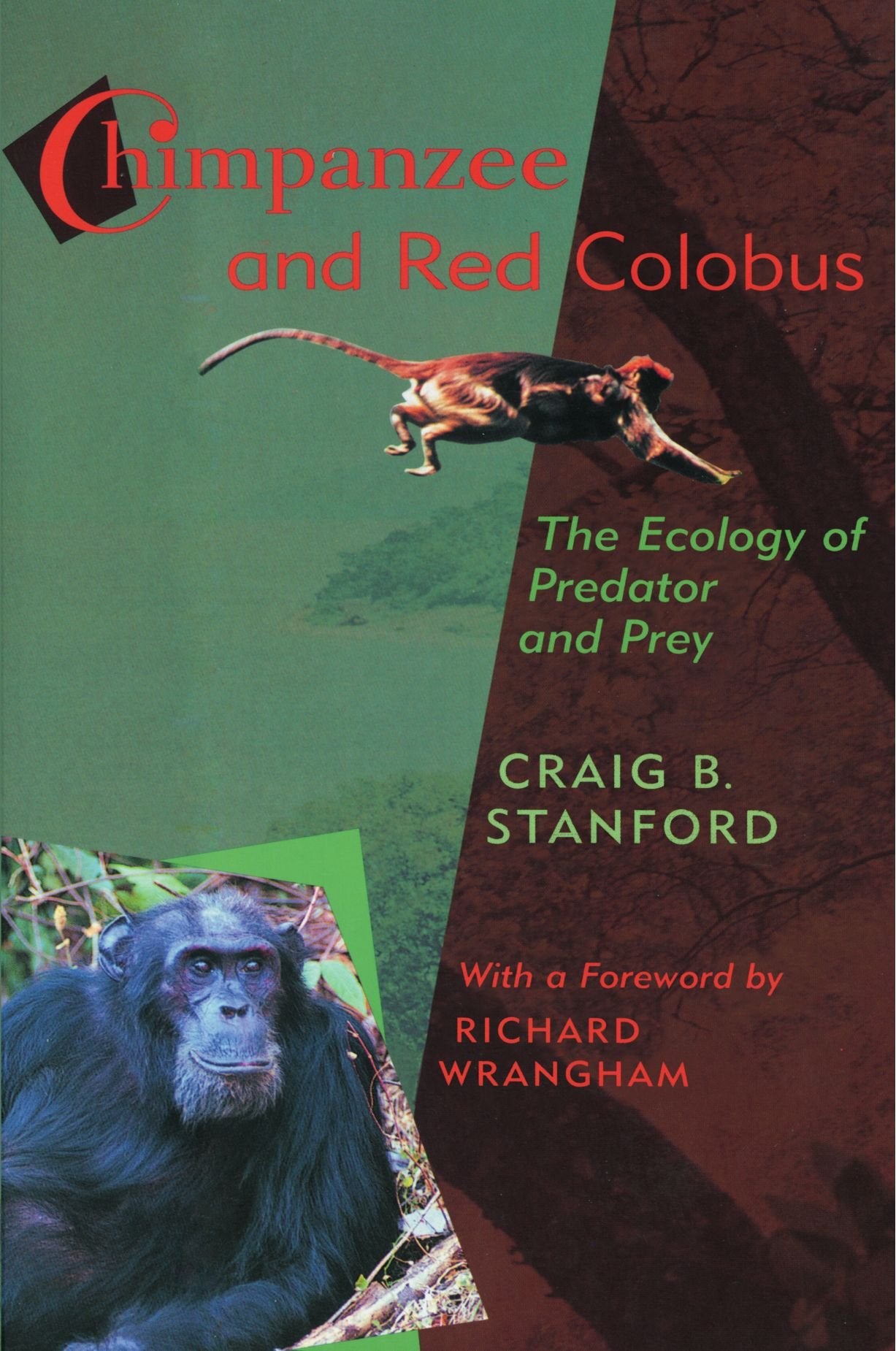
Our closest living relatives, the chimpanzees, are familiar enoughbright and ornery and promiscuous. But they also kill and eat their kin, in this case the red colobus monkey, which may say something about primateeven hominidevolution. This book, the first longterm field study of a predatorprey relationship involving two wild primates, documents a sixyear investigation into how the risk of predation molds primate society. Taking us to Gombe National Park in Tanzania, a place made famous by Jane Goodall's studies, the book offers a close look at how predation by wild chimpanzeesobservable in the park as nowhere elsehas influenced the behavior, ecology, and demography of a population of red colobus monkeys.As he explores the effects of chimpanzees' hunting, Craig Stanford also asks why these creatures prey on the red colobus. Because chimpanzees are often used as models of how early humans may have lived, Stanford's findings offer insight into the possible role of early hominids as predators, a little understood aspect of human evolution.The first booklength study in a newly emerging genre of primate field study, Chimpanzee and Red Colobus expands our understanding of not just these two primate societies, but also the evolutionary ecology of predators and prey in general.
⚠️ WARNING (California Proposition 65):
This product may contain chemicals known to the State of California to cause cancer,
birth defects, or other reproductive harm.
For MAP (Minimum Advertised Price) violations and Intellectual Property (IP) or Trademark concerns, please contact:
support@ergodebooks.com
⚠️ California Proposition 65 Warning: Some products sold on this website may expose you to chemicals known to the State of California to cause cancer, birth defects, or other reproductive harm. For more information, visit www.P65Warnings.ca.gov.