
Title
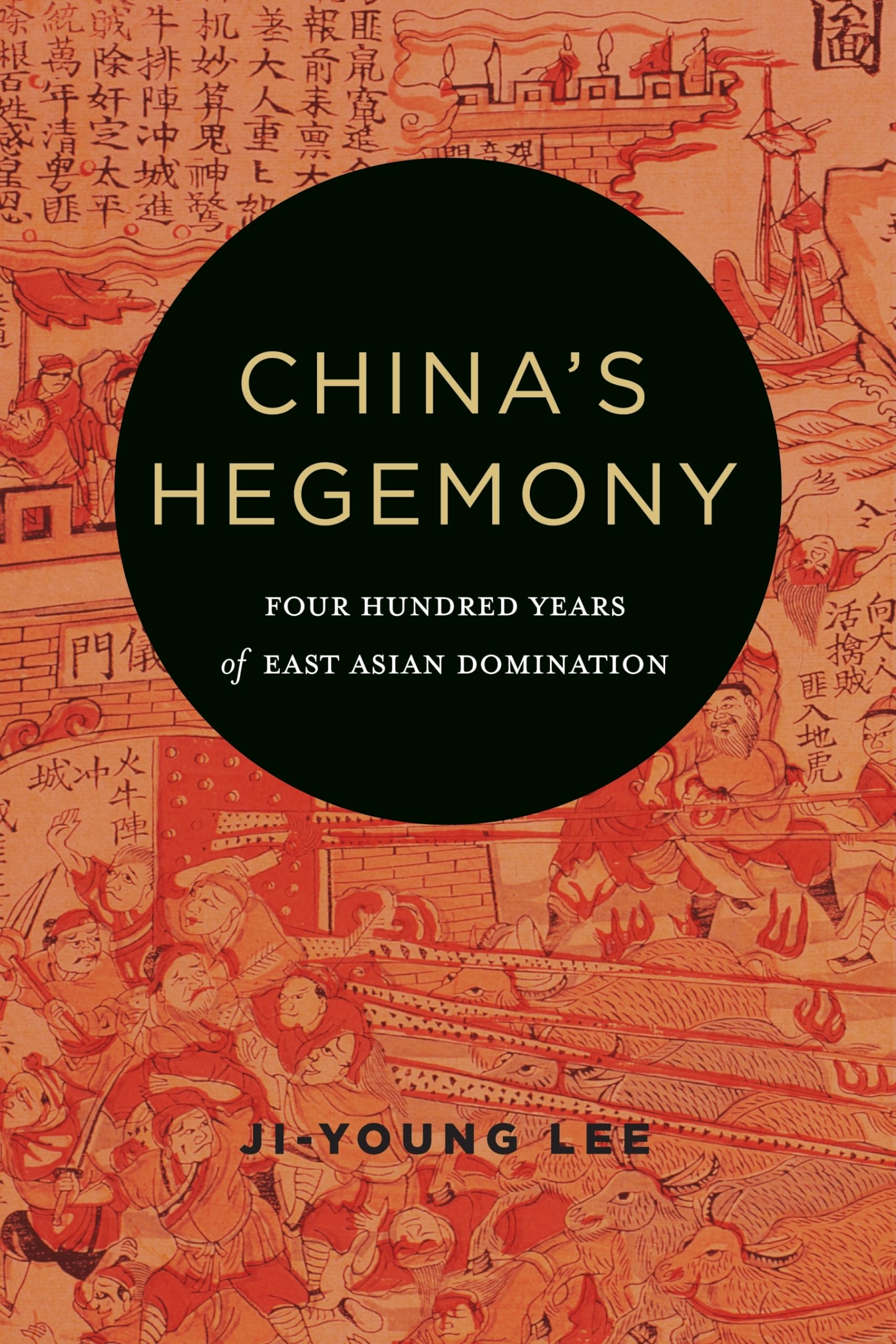
China's Hegemony: Four Hundred Years of East Asian Domination,Used
Sold by Ergodebooks, an authorized reseller.
Returns accepted within 30 days | support@ergodebooks.com
Shipping Information
- Free Standard Shipping — United States only
- Processing Time: 3–5 business days
- Estimated Delivery: 6–10 business days after dispatch
- Double-boxed, fully insured & discreetly packaged
- Tracking number sent via email once dispatched
Returns & Refund
Returns accepted within 30 days of delivery.
Damaged or Defective Item
Free return shipping + replacement or full refund
Wrong Item Received
Free return shipping + replacement or full refund
Change of Mind
Return shipping at customer's expense · 25% restocking fee applies
Payment Option

Many have viewed the tribute system as China's tool for projecting its power and influence in East Asia, treating other actors as passive recipients of Chinese domination. China's Hegemony sheds new light on this system and shows that the international order of Asia's past was not as Sinocentric as conventional wisdom suggests. Instead, throughout the early modern period, Chinese hegemony was accepted, defied, and challenged by its East Asian neighbors at different times, depending on these leaders' strategies for legitimacy among their populations. This book demonstrates that Chinese hegemony and hierarchy were not just an outcome of China's military power or Confucian culture but were constructed while interacting with other, less powerful actors' domestic political needs, especially in conjunction with internal power struggles.Focusing on ChinaKoreaJapan dynamics of East Asian international politics during the Ming and High Qing periods, JiYoung Lee draws on extensive research of East Asian language sources, including records written by Chinese and Korean tributary envoys. She offers fascinating and rich details of war and peace in Asian international relations, addressing questions such as: why Japan invaded Korea and fought a major war against the SinoKorean coalition in the late sixteenth century; why Korea attempted to strike at the Ming empire militarily in the late fourteenth century; and how Japan created a miniature tributary order posing as the center of Asia in lieu of the Qing empire in the seventeenth century. By exploring these questions, Lee's indepth study speaks directly to general international relations literature and concludes that hegemony in Asia was a domestic, as well as an international phenomenon with profound implications for the contemporary era.
⚠️ WARNING (California Proposition 65):
This product may contain chemicals known to the State of California to cause cancer, birth defects, or other reproductive harm.
For more information, please visit www.P65Warnings.ca.gov.