
Title
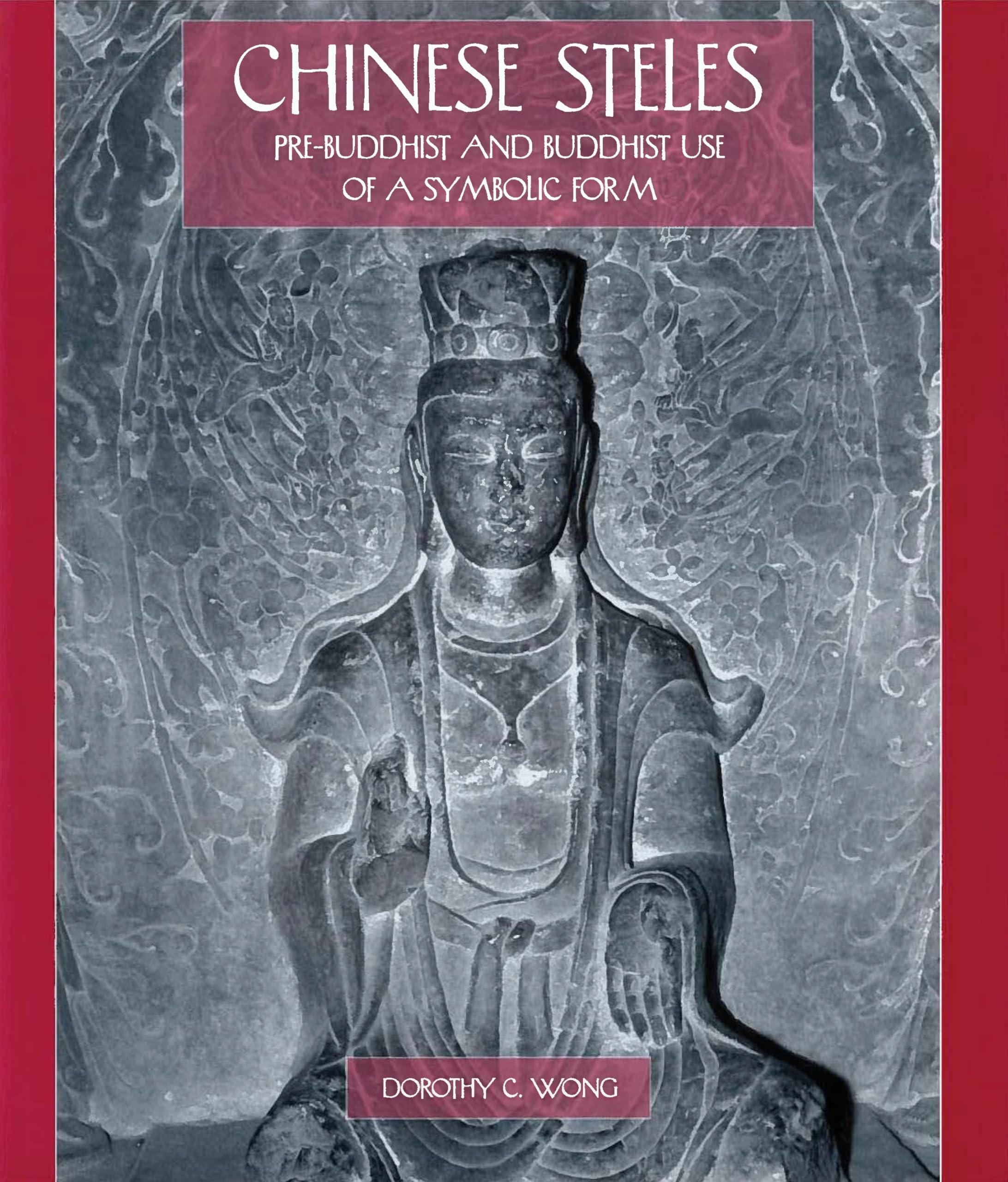
Chinese Steles: Prebuddhist And Buddhist Use Of A Symbolic Form,Used
Sold by Ergodebooks, an authorized reseller.
Returns accepted within 30 days | support@ergodebooks.com
Shipping Information
- Free Standard Shipping — United States only
- Processing Time: 3–5 business days
- Estimated Delivery: 6–10 business days after dispatch
- Double-boxed, fully insured & discreetly packaged
- Tracking number sent via email once dispatched
Returns & Refund
Returns accepted within 30 days of delivery.
Damaged or Defective Item
Free return shipping + replacement or full refund
Wrong Item Received
Free return shipping + replacement or full refund
Change of Mind
Return shipping at customer's expense · 25% restocking fee applies
Payment Option

Buddhist steles represent an important subset of early Chinese Buddhist art that flourished during the Northern and Southern Dynasties period (386581). More than two hundred Chinese Buddhist steles are known to have survived. Their brilliant imagery has long captivated scholars, yet until now the Buddhist stele as a unique art form has received little scholarly attention. Dorothy Wong rectifies that insufficiency by providing in this wellillustrated volume the first comprehensive investigation of this group of Buddhist monuments. She traces the ancient roots of the Chinese stele tradition and investigates the process by which Chinese steles were adapted for Buddhist use. She arranges the known corpus of Buddhist steles into broad chronological and regional groupings and analyzes not only their form and content but also the nexus of complex issues surrounding this art formfrom cultural symbolism to the interrelations between religious doctrine and artistic expression, economic production, patronage, and the synthesis of native and foreign art styles. In her analysis of Buddhisms dialogue with native traditions, Wong demonstrates how the Chinese artistic idiom planted the seeds for major achievements in figural and landscape arts in the ensuing Sui and Tang periods.
⚠️ WARNING (California Proposition 65):
This product may contain chemicals known to the State of California to cause cancer, birth defects, or other reproductive harm.
For more information, please visit www.P65Warnings.ca.gov.